
How To
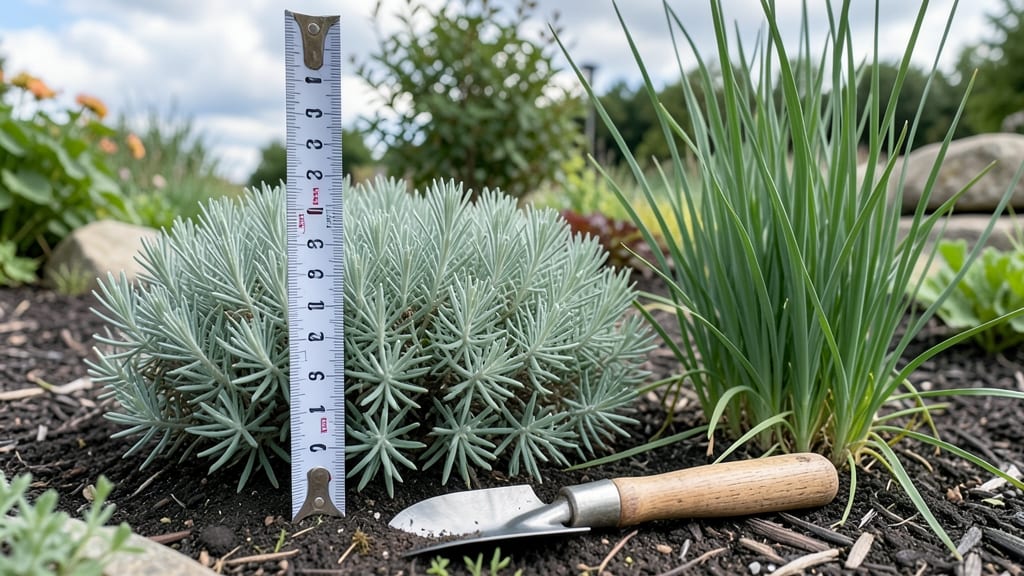
If you're wondering how tall does dwarf fescue grow, the answer might surprise you—this compact grass stays neatly between 3 to 6 inches at maturity, making it perfect for low-maintenance lawns or precise landscaping.
Unlike its taller cousins, dwarf fescue 🌿 thrives in controlled spaces, offering a dense, velvety texture that stays put without aggressive growth.
What sets dwarf fescue apart is its predictable height, which means no unexpected overgrowth or mowing headaches. Whether you're in USDA Zone 6a or beyond, this grass adapts beautifully to fall planting and maintains its tidy stature year-round with minimal effort.
The key to keeping it at its ideal height? Proper care and the right growing conditions.
In this guide, I’ll break down everything you need to know—from how its height compares to other grasses to the best ways to maintain it for a polished look.
Whether you're using it as a lawn, border, or ground cover, dwarf fescue’s manageable size makes it a game-changer for any outdoor space.
Ready to discover how to harness its potential? Let’s dive into the details so you can achieve that perfect, low-maintenance green without the hassle.

Dwarf fescue height range: what to expect in 3-6 inches
When you're planning a low-maintenance lawn or ornamental ground cover, knowing the mature height of dwarf fescue is crucial. This grass typically stays between 3 to 6 inches tall, making it ideal for tight spaces where taller grasses would sprawl out of control.
Unlike its taller cousins, dwarf fescue maintains this compact stature year-round, provided you meet its basic care needs.
The 3-inch mark is the lower end of its growth spectrum, perfect for precision landscaping or shaded garden borders. On the other hand, the 6-inch maximum gives it enough presence to serve as a lush carpet for pathways or as a soft understory for taller perennials.
This range is consistent across most cultivars, though some varieties like 'Little Gem' or 'Rocky Mountain' may lean slightly toward the shorter end.
| Cultivar | Height Range | Best For |
|---|---|---|
| Little Gem | 3-4 inches | Shade gardens, borders |
| Rocky Mountain | 4-5 inches | Drought-prone areas, slopes |
| Sun & Shade | 5-6 inches | Full sun lawns, high-traffic areas |
| Creeping Red | 3-5 inches | Ornamental ground cover, containers |
Climate plays a surprising role in dwarf fescue's height. In cooler regions like USDA Zones 3-6, it often stays closer to the 3-inch range due to slower growth rates. Meanwhile, in warmer climates (Zones 7-9), it may stretch toward 6 inches if given ample water and nutrients.
This variability means you should adjust your mowing height seasonally—lower in summer, slightly higher in winter—to keep it looking its best.
Seasonal fluctuations also come into play. During spring and fall, when growth is most active, dwarf fescue may briefly exceed its typical range, reaching up to 7 inches before settling back down.
In summer droughts, however, it can shrink to just 2 inches as it goes dormant. Understanding these patterns helps you plan for maintenance schedules and avoid over-trimming or under-watering.
For comparison, dwarf fescue stays significantly shorter than tall fescue (12-18 inches) or Kentucky bluegrass (2-4 feet). This makes it a standout choice for small-space gardens, rooftop terraces, or anywhere you need a neat, controlled look.
Its height also makes it easier to pair with low-growing perennials like creeping thyme or ajuga without one plant overwhelming the other.
If you're using dwarf fescue as a lawn replacement, aim to keep it mowed at 3.5 to 4 inches for optimal density. For ground cover applications, let it grow slightly taller (up to 5 inches) to create a thicker, more resilient mat.
The key is consistency—regular mowing prevents it from stretching beyond its ideal range while still allowing it to thrive.
One common misconception is that dwarf fescue will stay perpetually short without any effort. In reality, it does grow taller if neglected, especially in rich, moist soil. To maintain its signature compact form, I recommend light, regular mowing (every 2-3 weeks) and avoiding heavy fertilization.
This keeps it at its most ornamental and functional height year-round.
For those in urban environments, dwarf fescue's height makes it perfect for vertical gardens or hanging planters. Its shallow root system also means it won't compete aggressively with nearby plants, making it ideal for layered landscapes.
Whether you're filling gaps between stepping stones or creating a soft green carpet under shrubs, its height is one of its biggest assets.
To summarize, dwarf fescue's 3-6 inch height is its defining feature, offering versatility for both practical and decorative gardening. By choosing the right cultivar, adjusting for climate conditions, and maintaining consistent care, you can ensure it stays within this ideal range—delivering the low-maintenance beauty you're after. 🌿
Dwarf fescue height range: what to expect in 3-6 inches
Dwarf fescue lives up to its name with a compact growth habit, typically reaching 3 to 6 inches tall at maturity. This makes it ideal for tight spaces where you want a lush, green carpet without the height of traditional lawn grasses.
The exact height depends on the specific cultivar and growing conditions, but most varieties stay well below knee level, making them perfect for ornamental lawns or ground covers.
For example, ‘Little Gem’ and ‘Rocky Mountain’ cultivars often max out at 3 to 4 inches, while others like ‘Houndstongue’ may stretch closer to 5 to 6 inches.
Even within this range, seasonal fluctuations can occur—expect slightly taller growth in spring and summer, with a slight retreat in cooler months. Understanding these variations helps you set realistic expectations for your landscape design.
| Cultivar | Mature Height | Best For |
|---|---|---|
| Little Gem | 3–4 inches | Shady lawns, borders |
| Rocky Mountain | 4–5 inches | Drought-prone areas |
| Houndstongue | 5–6 inches | Sunny slopes, erosion control |
| Creeping Red | 2–3 inches | Container gardens, pathways |
Compared to other fescue types, dwarf fescue stays significantly shorter than tall fescue (which can reach 12–24 inches) or fine fescue blends (6–12 inches). This makes it a standout choice for urban gardens, rooftop terraces, or areas where traditional grass might overpower the space.
Its low stature also means less frequent mowing—just every 2 to 4 weeks in peak growing seasons.
Climate plays a surprising role in height control. In cooler northern regions (USDA Zones 3–6), dwarf fescue often stays on the shorter end of the spectrum due to slower growth rates.
Meanwhile, in warmer southern climates, it may lean toward the taller side if not managed properly. Always adjust your expectations based on your local microclimate and seasonal patterns.
To maintain its ideal height, I recommend mowing when the grass reaches 3 to 3.5 inches tall, never removing more than one-third of the blade height at once. This practice encourages dense growth and prevents the grass from stretching taller.
Pair this with regular watering (1 inch per week) and moderate fertilization (balanced 10-10-10 in early spring), and you’ll keep your dwarf fescue looking neat and contained year-round.
If you’re planning a layered landscape design, dwarf fescue’s height makes it a perfect understory plant. Pair it with shrubs like boxwood (2–4 feet tall) or perennials like hostas (1–3 feet) to create visual interest without competition.
Its low profile also reduces the need for edging, making it a practical choice for modern, minimalist gardens.