
How To
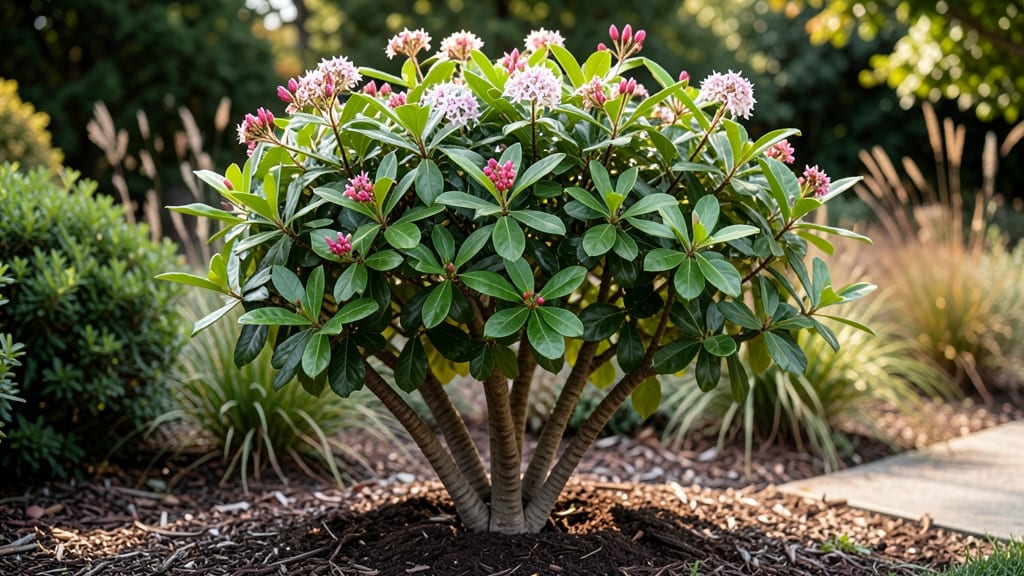
If you're planning your garden layout and wondering "how tall does euonymus grow", the answer might surprise you—this versatile shrub can range from a compact 2-foot accent plant to a towering 15-foot statement maker, depending on the variety.
Whether you're aiming for a neat hedge or a dramatic border, knowing these exact growth ranges is the key to avoiding overcrowded spaces or underwhelming designs.
Euonymus, often called spindle tree or burning bush, comes in dozens of cultivars, each with its own growth habits.
Some, like Euonymus japonicus 'Microphyllus', stay neatly under 3 feet, perfect for containers or small gardens, while others, such as Euonymus alatus 'Compactus', can stretch up to 8 feet when left unpruned. The right choice depends on your space and vision.
But here's the game-changer: pruning can dramatically alter your euonymus's height. With strategic trims—especially in late winter or early spring—you can keep even the tallest varieties in check or encourage bushier growth.
I'll walk you through the exact techniques to match your euonymus's height to your garden's needs, so you never have to guess again.
Ready to transform your outdoor space? Let's dive into the specifics—from dwarf varieties that fit tight spots to pruning secrets that keep your euonymus at your ideal height, no matter the season.

Euonymus height ranges by popular variety (with mature size estimates)
Euonymus shrubs are incredibly versatile, offering everything from compact ground covers to tall, structural hedges. The key to choosing the right variety lies in understanding their mature height ranges, which can vary from just 1-2 feet to over 15 feet.
Whether you're planning a privacy screen or a border plant, selecting the right cultivar ensures your garden stays balanced and intentional.
Most euonymus varieties grow at a moderate pace, gaining about 6-12 inches per year until they reach maturity. However, some dwarf varieties may take 3-5 years to reach their full size, while larger types can continue growing for 10+ years before stabilizing.
This growth pattern makes spacing and planning critical—planting too close can lead to overcrowding and stunted growth.
Below is a detailed comparison of popular euonymus varieties, including their mature heights, growth habits, and ideal spacing. Use this as your guide to select the perfect fit for your landscape design, whether you need a low hedge or a tall privacy screen.
| Variety | Mature Height | Growth Rate | Ideal Spacing | Best For |
|---|---|---|---|---|
| Euonymus japonicus 'Microphyllus' | 1-2 ft | Slow (3-5 in/year) | 12-18 in apart | Ground cover, rock gardens |
| Euonymus alatus 'Compactus' | 2-3 ft | Moderate (6-8 in/year) | 2-3 ft apart | Borders, foundation plantings |
| Euonymus fortunei 'Emerald Gaiety' | 3-5 ft | Moderate (8-10 in/year) | 3-4 ft apart | Hedges, mixed borders |
| Euonymus radicans 'Albomarginatus' | 4-6 ft | Fast (10-12 in/year) | 4-5 ft apart | Privacy screens, tall borders |
| Euonymus alatus 'Burning Bush' | 6-8 ft | Moderate (8-10 in/year) | 5-6 ft apart | Specimen plant, focal point |
| Euonymus europaeus | 10-15 ft | Fast (12-18 in/year) | 8-10 ft apart | Privacy hedges, woodland edges |
For low-maintenance hedges, varieties like Euonymus fortunei 'Emerald Gaiety' are ideal—their 3-5 foot height makes them perfect for formal hedging without requiring constant pruning.
Meanwhile, the Burning Bush variety thrives as a specimen plant due to its vibrant fall colors and 6-8 foot stature, adding drama to any landscape.
If you're aiming for a natural, layered look, mix dwarf varieties in the foreground with taller types in the background. For example, plant Euonymus japonicus 'Microphyllus' along a pathway and pair it
How pruning affects euonymus growth height (and when to trim)
Pruning is the single most effective tool to control euonymus height and shape. Without regular trimming, even dwarf varieties can outgrow their intended space. The key is understanding when and how to prune based on your plant's growth habit and your landscaping goals.
For example, Euonymus japonicus responds well to light pruning, while Euonymus alatus may need more aggressive shaping to prevent leggy growth.
Timing matters most—prune at the wrong time, and you risk stunting growth or encouraging weak new shoots. Spring is ideal for most varieties, but fall pruning can also work for certain types.
The goal is to shape while the plant is actively growing but before it sets buds for the next season. Let’s break down the exact steps and seasonal timing to keep your euonymus at your desired height.
| Pruning Task | Best Time | Purpose | Notes |
|---|---|---|---|
| Light Trimming | Late Winter/Early Spring | Encourage bushiness | Remove dead or crossing branches |
| Structural Pruning | Spring (After flowering) | Control height and shape | Cut back 1/3 of growth for compact varieties |
| Renewal Pruning | Late Summer/Early Fall | Reinvigorate older plants | Cut back older stems to ground level |
| Hedge Maintenance | Spring & Fall | Maintain uniform height | Use hedge shears for clean lines |
🌿 Pro Tip: Always sterilize pruning tools with rubbing alcohol to prevent disease spread.
For dwarf euonymus varieties like 'Emerald Gaiety', pruning is minimal—just a light trim to maintain shape. But for standard varieties like 'Emerald 'n' Gold', regular pruning is essential to prevent them from reaching 8-10 feet tall.
I recommend pruning in early spring when new growth begins, focusing on removing overcrowded branches and shaping the plant to your desired form.
If you’re growing euonymus as a hedge, prune twice a year—once in late spring and again in early fall. This keeps the height consistent and encourages dense foliage.
Use sharp hedge shears and make clean cuts just above a leaf node. Avoid cutting into old wood, as euonymus struggles to regenerate from bare stems.
One common mistake is pruning too late in the season, which can leave your plant vulnerable to frost damage. Always finish pruning at least 6 weeks before the first expected frost in your area.
For example, in USDA Zone 6, this means wrapping up pruning by mid-September. This gives your euonymus time to harden off before winter.
For vining euonymus like 'Emerald 'n' Gold', pruning is slightly different. Instead of cutting back, you’ll want to train the vines along trellises or fences. Pinch back new growth to encourage branching and prevent leggy vines. This keeps the plant compact and full, even as it climbs.
Finally, remember that over-pruning can stress your euonymus, leading to sparse foliage. Aim to remove no more than 25-30% of the plant’s growth in a single session.
With the right approach, you can keep your euonymus at the perfect height for your garden—whether that’s a 2-foot dwarf or a 10-foot hedge. ✂️