
How To
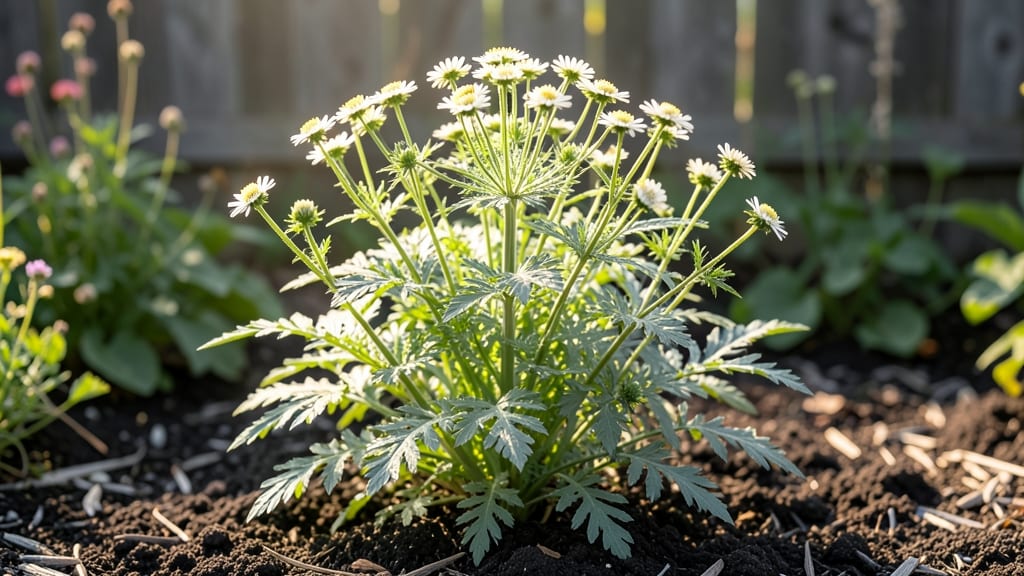
If you're planning your garden layout and wondering "how tall does feverfew grow", you might be surprised by how versatile this medicinal herb can be. 🌼 Typically reaching 1-3 feet at maturity, feverfew adapts beautifully to different spaces—whether you're working with a cozy container or a sprawling herb bed.
What makes feverfew so adaptable is its growth habit: it thrives as both an upright bushy plant and a slightly leggy one, depending on sunlight and pruning. In full sun, it leans toward the taller end of the spectrum, while partial shade keeps it more compact.
This flexibility makes it perfect for gardeners who want both practicality and aesthetic appeal.
Whether you're growing feverfew for its medicinal properties or as an ornamental plant, understanding its height range helps you plan spacing and maintenance. Let’s explore how to control its growth for a tidy, thriving garden that fits your space perfectly.
From container gardening to companion planting, I’ll share practical tips to keep your feverfew at your ideal height—no matter how much room you have to work with. Ready to discover the secrets to managing this hardy perennial?

Feverfew height guide: mature size ranges by growing conditions
Feverfew (Tanacetum parthenium) typically matures between 12 to 36 inches tall, but its final height depends heavily on growing conditions. In ideal environments with full sun exposure and well-draining soil, it leans toward the taller end—up to 3 feet.
Meanwhile, in partial shade or nutrient-poor soil, expect a more compact 18- to 24-inch plant. This variability makes feverfew adaptable but requires planning for garden layouts.
Understanding these ranges helps you decide whether to plant feverfew in herb spirals, container gardens, or as a border plant. For example, a 3-foot-tall specimen thrives in cottage gardens, while a 12-inch variety fits neatly in window boxes.
The key is matching your garden’s conditions to your desired height.
| Growing Condition | Height Range | Growth Habit | Best For |
|---|---|---|---|
| Full sun (6+ hours/day) | 24–36 inches | Upright, bushy | Border plants, cottage gardens |
| Partial shade (3–6 hours/day) | 12–24 inches | Compact, leggy | Containers, urban gardens |
| Pruned regularly | 12–18 inches | Dense, bushy | Herb spirals, edging |
| Poor soil/nutrients | 12–20 inches | Slow-growing, sparse | Wildflower meadows |
Sunlight is the biggest factor in feverfew’s height. Plants in full sun grow taller but may need staking if they flop over. In contrast, partial shade keeps them shorter but can reduce leaf density.
For example, my feverfew in a north-facing container maxed out at 18 inches, while the one in my south-facing herb bed reached 3 feet without pruning.
Soil quality also plays a role. Feverfew thrives in well-draining, slightly alkaline soil (pH 6.0–7.5). Amending heavy clay with compost or sand prevents root rot, which can stunt growth.
If your soil is nutrient-poor, a balanced fertilizer (10-10-10) in spring encourages taller, healthier stems—but avoid over-fertilizing, which can lead to floppy, leggy growth.
Pruning is another tool to control height. Pinching back tips in early spring promotes bushier growth, while shearing after flowering prevents seed production and keeps plants 12–18 inches tall.
I’ve seen feverfew in formal gardens pruned into hedge-like shapes, while wild patches left unchecked can sprawl to 3 feet or more.
If you’re growing feverfew for medicinal use, focus on leaf production rather than height. Harvesting leaves before flowering encourages dense foliage and shorter stems. For ornamental purposes, taller varieties add texture to pollinator gardens, while dwarf types fit into rock gardens or window boxes.
For container gardening, choose a pot with at least 12-inch depth to accommodate roots. Feverfew in containers often stays 12–24 inches tall unless heavily fertilized. I’ve successfully grown feverfew in 10-gallon pots on balconies, using a slow-release fertilizer to maintain compact growth.
One common misconception is that feverfew always grows tall. In reality, its height is highly adaptable. By adjusting sunlight, pruning, and soil conditions, you can tailor its size to your garden’s needs—whether you want a low border plant or a tall herb specimen.
To summarize, feverfew’s mature height ranges from 12 to 36 inches, with most gardeners finding it 18–24 inches tall under average conditions. With the right care, you can shape it to fit any space—from a tiny windowsill to a sunny garden bed. 🌼
Feverfew height guide: mature size ranges by growing conditions
Feverfew (Tanacetum parthenium) typically matures between 12 to 36 inches tall, but its exact height depends heavily on growing conditions. In ideal settings—like full sun exposure and well-draining soil—it leans toward the taller end, while cooler climates or partial shade keep it shorter and bushier.
Understanding these variations helps you plan spacing and container sizes for a tidy garden layout.
Most gardeners report 2 to 3 feet as the average mature height, but leggy stems can stretch taller if crowded or deprived of nutrients. The key to controlling height lies in pruning frequency and soil fertility.
For example, a plant in a 5-gallon container will stay shorter than one planted in open garden beds.
Here’s how different conditions affect feverfew’s height range:
| Condition | Height Range | Growth Habit |
|---|---|---|
| Full Sun (6+ hours/day) | 24–36 inches | Tall, upright stems |
| Partial Shade (3–5 hours/day) | 12–24 inches | Bushy, compact |
| Container (5-gallon pot) | 12–20 inches | Controlled, pruned growth |
| Poor Soil/Nutrient Deficiency | 12–18 inches | Leggy, sparse foliage |
If you’re growing feverfew for medicinal use, aim for 18–24 inches—this height ensures robust leaf production while keeping the plant manageable for harvesting. Overly tall plants may require more frequent pruning to maintain accessibility and encourage bushier regrowth.
For ornamental gardens, taller varieties (up to 3 feet) can serve as back-of-the-border plants, while dwarf cultivars stay under 18 inches, perfect for edging or container displays. Always space plants 12–18 inches apart in garden beds to allow airflow and prevent overcrowding.
Pro tip: Deadhead spent flowers in early summer to redirect energy to leaf growth instead of seed production, which can make stems woody and less manageable. This simple step keeps your feverfew neat, productive, and within your desired height range.
🌿