
How To
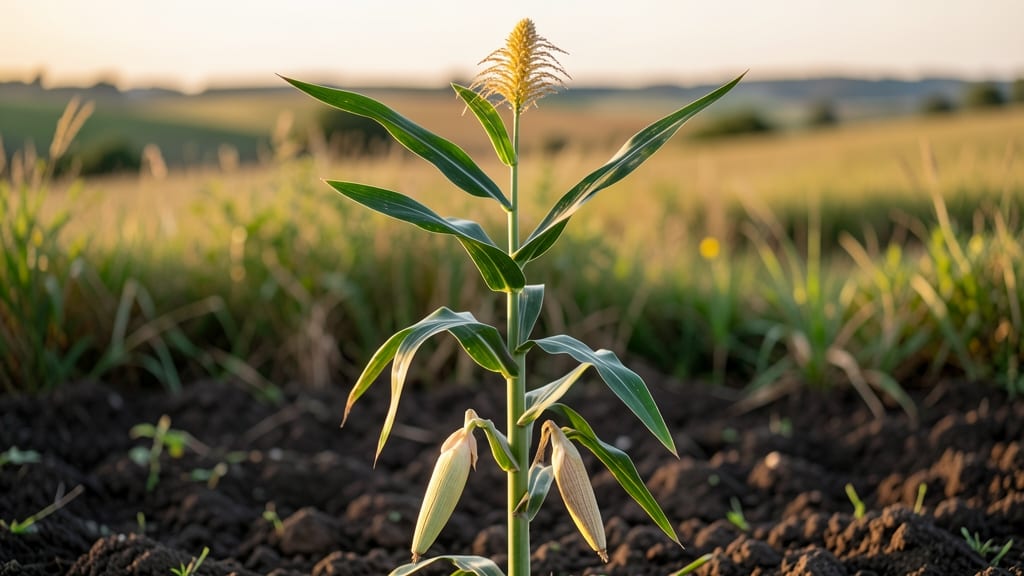
If you’ve ever planted field corn and wondered how tall does field corn grow, you’re not alone—this plant can reach heights that rival small trees, often surprising even experienced gardeners. Understanding its growth potential helps you plan your garden layout, choose the right variety, and decide whether to use support structures like trellises.
On average, mature field corn stalks can stretch anywhere from 6 to 12 feet, depending on the variety, growing conditions, and care. Some hybrids even surpass that range, especially in ideal climates like USDA Zone 6a or warmer. Whether you're growing it for grain, silage, or even as a natural windbreak, knowing these height variations is key to maximizing your harvest.
But here’s the catch: not all field corn grows the same. Factors like soil fertility, sunlight exposure, and water availability play a huge role in determining how tall your stalks will get. In this guide, I’ll break down the height differences between common varieties, share tips for supporting those towering plants, and help you avoid common pitfalls that can stunt growth.
Ready to grow field corn like a pro? Let’s dive into the secrets behind its impressive height and how you can encourage your plants to reach their full potential—without ending up with a jungle of tangled stalks in your backyard.

Field corn height by variety: sweet corn vs. field corn vs. popcorn differences
Field corn isn’t just one size fits all—its height varies dramatically depending on the variety and intended use. While most field corn varieties soar between 6 and 12 feet, sweet corn and popcorn tend to stay shorter, typically ranging from 4 to 10 feet.
These differences matter for everything from garden planning to harvest logistics, especially if you’re growing corn for animal feed, human consumption, or even ornamental purposes.
The tallest field corn varieties, like those used for grain production, can reach heights comparable to a 10-foot basketball hoop. In contrast, many sweet corn varieties max out around 5 to 7 feet, making them more manageable for home gardens.
Understanding these distinctions helps you choose the right seeds for your space and goals.
🌽
| Variety | Height Range | Primary Use | Growth Notes |
|---|---|---|---|
| Field Corn | 6–12 ft | Animal feed, ethanol, grain | Tallest variety; requires strong stalks and support |
| Sweet Corn | 4–8 ft | Human consumption | Shorter, sweeter kernels; often needs less support |
| Popcorn | 5–10 ft | Snack food | Medium height; ears form lower on stalk |
For example, Pioneer Brand 33B11, a popular field corn variety, can grow up to 12 feet tall under ideal conditions, while Silver Queen sweet corn typically stays around 6 feet. Even within the same category, early-maturing varieties may be shorter than their late-season counterparts.
If you’re growing corn in a small garden, consider dwarf or semi-dwarf varieties, though these are rare for field corn.
Another key factor is the maturity rating, often labeled by FAO (Farmers’ Advisory Organization) numbers. Lower FAO numbers (e.g., FAO 100) indicate shorter, earlier-maturing plants, while higher numbers (e.g., FAO 200+) signal taller, later-maturing varieties.
This system helps you predict height based on your growing season length.
If you’re planting near a fence or structure, opt for shorter varieties to avoid shading out other plants. Conversely, if you’re growing corn for windbreaks or ornamental purposes, taller varieties can create a dramatic, natural screen. Just be prepared for the logistical challenges of harvesting ears from 10-foot stalks!
🌿
Pro tip: Check seed packets for mature plant height and days to maturity to align your variety with your garden’s space and climate. For instance, Northern climates may favor shorter, early-maturing varieties, while Southern gardens can accommodate taller, later-maturing types with longer growing seasons.
Finally, remember that field corn isn’t just about height—it’s also about stalk strength. Taller varieties often need additional support to prevent lodging (falling over), especially in windy conditions.
We’ll dive deeper into support strategies in the next section, but for now, keep these height differences in mind when selecting seeds.
🪴
What determines field corn height: genetics, soil, and climate factors
Field corn’s impressive height—ranging from 6 to 12 feet—isn’t random. It’s the result of a perfect storm of genetics, soil quality, and climate conditions.
If you’ve ever planted corn and wondered why some stalks reach basketball hoop height while others stay short, the answer lies in these key factors. Understanding them helps you optimize growth for your specific location and goals.
At the core, hybrid genetics play the biggest role. Field corn varieties are bred for specific traits, including height. For example, FAO maturity ratings (like FAO 200 or FAO 300) indicate how many days to maturity, which directly correlates with height.
A FAO 200 variety might max out at 8 feet, while FAO 400 hybrids can soar to 12 feet. Always check seed packets for these ratings to match your growing season and space.
| Factor | Impact on Height | Actionable Tip |
|---|---|---|
| Genetics (FAO Rating) | Higher FAO = taller, later-maturing plants | Choose FAO 200-300 for shorter seasons |
| Soil Nitrogen | Low N = stunted growth; excess = weak stalks | Test soil; add 10-10-10 fertilizer early |
| Water Availability | Drought stress = 20-30% height reduction | Deep water 1-2 inches weekly during drought |
| Sunlight Hours | <6 hours = 40% height loss | Plant in full sun (6-8+ hours daily) |
| Climate Zone | Cooler zones stunt growth; heat accelerates it | Use row covers for early-season protection |
Soil fertility is another game-changer. Field corn is a heavy feeder, especially for nitrogen. If your soil lacks this nutrient, stalks may grow tall but weak, leading to lodging (falling over).
A quick fix? Amend your soil with compost or a balanced 10-10-10 fertilizer before planting. For existing plants, side-dress with nitrogen-rich fertilizer halfway through the growing season to support rapid height growth.
Climate also plays a surprising role. Field corn thrives in warm temperatures (70-85°F), but extreme heat or drought can stunt growth. In arid regions, corn may only reach 50-70% of its potential height.
To combat this, mulch around plants to retain moisture and use drip irrigation for consistent water delivery. Even a 1-inch water deficit during tasseling can reduce height by up to 1 foot.
Don’t overlook the spacing factor. Crowded plants compete for nutrients and sunlight, leading to shorter, weaker stalks. For optimal height, space rows 30-36 inches apart and plants 12-18 inches apart in the row.
This gives roots room to develop and stalks the support they need to reach their genetic potential.
Finally, remember that early-season care sets the stage for height. Plant seeds in warm soil (60°F+) and keep them consistently moist until germination. Once sprouted, prioritize full sun exposure and avoid compacting soil around the base, which can restrict root growth and limit height.
By mastering these factors, you’ll unlock field corn’s full height potential—whether you’re growing it for grain, silage, or even as a natural windbreak. The key is balance: give your corn the right genetics, nutrients, and growing conditions, and it’ll reward you with stalks that touch the sky.