
How To
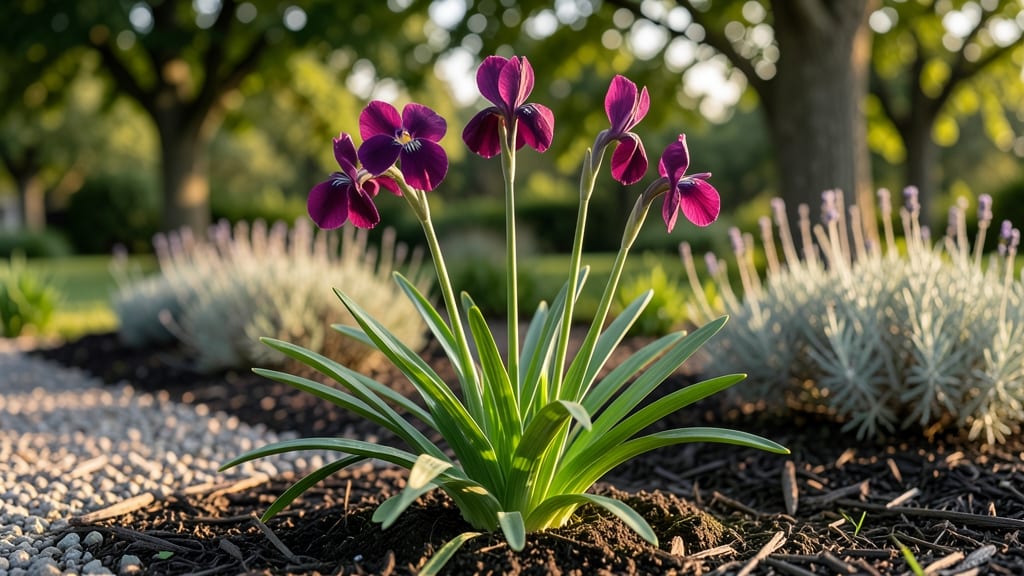
Wondering how tall does freesia grow before those fragrant 🌸 blooms steal the show? The answer might surprise you—these delicate beauties pack a punch in height, ranging from compact 8-inch dwarf varieties to towering 24-inch spikes that need support.
Whether you're planning a border, container display, or cut-flower arrangement, knowing the exact height range for each type ensures your freesias shine without flopping or overcrowding.
Most freesias fall into three height categories: dwarf (8-12 inches), semi-dwarf (12-15 inches), and standard (15-24 inches). The difference isn't just about aesthetics—taller varieties often need staking, while shorter ones thrive in borders or mixed containers.
I’ll break down the most popular cultivars and their growth habits, so you can choose the perfect freesia for your space.
What if your freesia outgrows its spot? Don’t worry—we’ll cover how to control height naturally through soil prep, sunlight tweaks, and strategic pruning. Plus, I’ll share my top tips for repurposing "too-tall" stems as stunning cut flowers that last for weeks.
Ready to maximize your freesia’s potential? Let’s dive into the details.
From fragrant borders to vase-worthy stems, freesias adapt to your garden’s needs—but only if you know their growth secrets. Whether you’re a beginner or a seasoned gardener, these insights will help you grow freesias that look and perform exactly as you envision. Let’s get started!

Freesia height by variety: exact measurements for 10 most popular types
Freesias typically grow between 8 to 24 inches tall, depending on the variety and growing conditions. Some compact types like 'Blue Peter' stay under 12 inches, while taller varieties like 'Red Spice' can reach 24 inches.
Knowing these height differences helps you plan your garden layout or container arrangements for maximum visual impact.
Most freesia varieties fall into three height categories: dwarf (8–12 inches), semi-dwarf (12–15 inches), and standard (15–24 inches). The right choice depends on whether you want them as border plants, cut flowers, or container displays.
For example, dwarf freesias work beautifully in rock gardens, while taller varieties shine in cut-flower arrangements.
Here’s a quick comparison of the 10 most popular freesia varieties and their typical heights to help you decide which fits your garden best:
| Variety | Height Range | Growth Habit | Best For | |||||||||||||||||||||||
|---|---|---|---|---|---|---|---|---|---|---|---|---|---|---|---|---|---|---|---|---|---|---|---|---|---|---|
| Blue Peter | 8–12 inches | Compact, clumping | Borders, containers | |||||||||||||||||||||||
| Mauve Queen | 12–15 inches | Upright stems | Cut flowers, beds | |||||||||||||||||||||||
| Red Spice | 18–24 inches | Tall, spike-like | Cut flowers, staking | |||||||||||||||||||||||
| White Queen | 12–16 inches | Moderate height | Beds, borders | |||||||||||||||||||||||
| Golden Ratio | 10–14 inches | Semi-dwarf | Containers, rock gardens | |||||||||||||||||||||||
| Pink Beauty | 14–18 inches | Upright | Cut flowers, beds | |||||||||||||||||||||||
| Lavender Mist | 10–14 inches | Compact | Borders, containers | |||||||||||||||||||||||
| Fire Dance | 16–20 inches | Tall, striking | Cut flowers, staking | |||||||||||||||||||||||
| Sweet Faith | 12–16 inches | Moderate | Beds, borders | |||||||||||||||||||||||
| Cream Delight | 10–14 inches |
Freesia height by variety: exact measurements for 10 most popular typesUnderstanding freesia height by variety helps you plan your garden layout and decide whether to use staking or natural supports. Most freesias fall into three height categories: compact (8–12 inches), medium (12–18 inches), and tall (18–24 inches). The variety you choose determines whether they’ll work as border plants, container flowers, or cut flower stalks. For example, 'Blue Peter' and 'Mauve Queen' are classic tall freesias reaching 18–24 inches, perfect for cut flower arrangements or back-of-border displays. In contrast, 'Red Spice' and 'Golden Ratio' stay shorter at 12–15 inches, making them ideal for container gardens or mixed borders where space is limited.
If you’re growing freesias in containers, opt for dwarf varieties like 'Golden Ratio' or 'Pink Beauty', which max out at 10–14 inches. These thrive in 6-inch pots and add vertical interest without overwhelming smaller spaces. For cut flower arrangements, taller varieties like 'Blue Peter' or 'Mauve Queen' provide longer stems for bouquets, but you’ll need to stake them early to prevent flopping. Another key factor is soil fertility. Over-fertilizing can make freesias taller but leggier, while well-draining soil encourages compact growth. I always mix in compost and a light layer of sand to prevent bulbs from rotting, which keeps stems sturdy and height-controlled naturally. For container-grown freesias, use a cactus/succulent mix to improve drainage and reduce height spikes. For garden borders, arrange tall freesias at the back and shorter varieties in front. This creates a staggered visual effect that draws the eye through your garden. If you’re unsure about heights, plant in groups of 3–5 bulbs—this way, even if a few stems flop, the cluster will still look intentional and full. Remember, freesia height can also vary by climate. In cooler regions, freesias often grow shorter (10–14 inches), while in warmer zones, they may reach their full potential height (18–24 inches). Always check your USDA zone and adjust spacing accordingly to avoid overcrowding. |