
How To
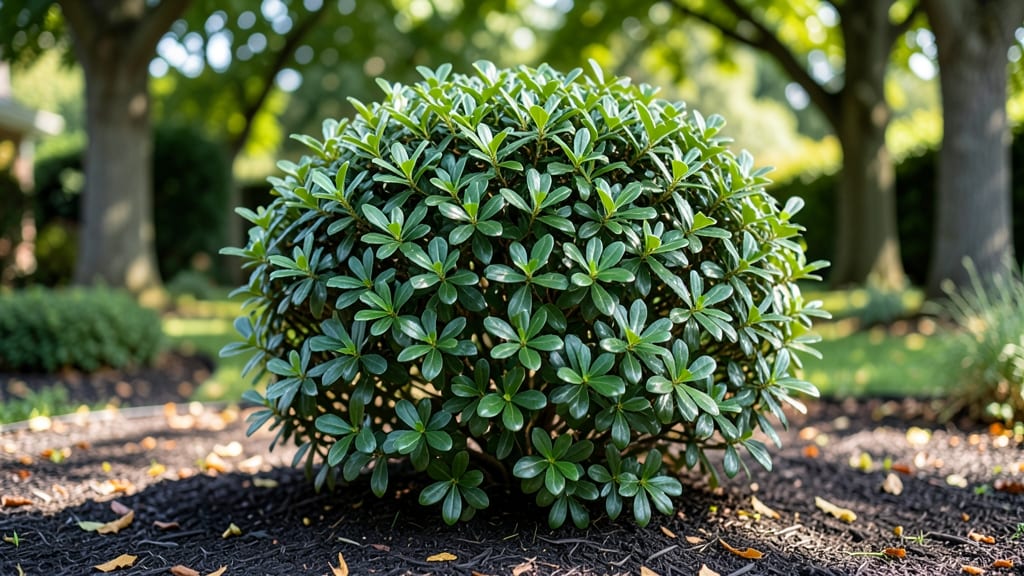
Ever wondered how tall does Green Mountain boxwood grow and whether it’ll fit perfectly in your landscape plans? This evergreen shrub 🌿 is a landscaping staple, but its mature height can make or break your design—especially if you’re aiming for a polished hedge or a statement border.
At full maturity, Green Mountain boxwood typically reaches 4 to 5 feet tall, with a spread that’s nearly as wide. That’s the perfect height for creating a structured, manicured look without overwhelming smaller gardens.
Whether you’re lining a driveway or framing a patio, understanding its growth habits helps you space plants just right from day one.
What’s even better? This variety grows at a steady pace, making it easier to predict and shape over time. With the right pruning techniques, you can keep it at 3 feet for a low hedge or let it climb toward 6 feet for a taller screen.
The key is knowing when to trim and how much to encourage the size you want.
Ready to get the details? I’ll walk you through everything from initial planting to long-term care—so you can confidently design with Green Mountain boxwood and achieve the exact look you’re after.

Green Mountain boxwood height by growth stage: what to expect year by year
Green Mountain boxwood (Buxus 'Green Mountain') is a versatile evergreen shrub that grows at a steady, predictable rate, making it ideal for formal hedges, borders, or foundation plantings. Unlike some boxwood varieties that can grow aggressively, this cultivar maintains a compact, manageable height—typically reaching 4 to 5 feet tall at maturity—while staying bushy and dense. Understanding its growth progression helps you plan spacing, pruning schedules, and landscape layouts with confidence.
The first year is all about root establishment. Your 1-gallon boxwood will grow just 1 to 2 feet tall as it focuses energy on developing a strong root system. This slow start is normal and ensures long-term stability.
In USDA Zones 6-8, where this variety thrives, expect 12 to 18 inches of growth annually during its first 3 years—though this can vary based on soil quality, sunlight exposure, and watering consistency.
By year 3, your Green Mountain boxwood will typically stand 3 to 4 feet tall, with a spread nearly matching its height. This is the stage where many gardeners begin shaping hedges or training plants for specific designs.
The key to maintaining its desired height lies in seasonal pruning—a topic we’ll dive into later. Without pruning, these shrubs can reach their mature height of 4 to 5 feet by year 5 or 6, though growth slows significantly after year 3.
🌱 Green Mountain Boxwood Growth Timeline
| Stage | Height (ft) | Spread (ft) | Growth Rate | Pruning Tip |
|---|---|---|---|---|
| Year 1 | 1–2 ft | 1–1.5 ft | Slow (root focus) | Minimal shaping |
| Year 2–3 | 2–4 ft | 2–3 ft | Moderate (12–18 in/year) | Light trimming after spring flush |
| Year 4–5 | 4–5 ft | 3–4 ft | Slower (mature phase) | Regular pruning to maintain shape |
| Mature (5+ years) | 4–5 ft | 3–4 ft | Minimal (1–2 in/year) | Annual cleanup pruning |
Notes: Growth rates vary by climate. Warmer zones (7–8) may see faster initial growth. Prune after spring flush for best results.
One factor that significantly impacts Green Mountain boxwood height is your climate zone. In cooler zones (6a–6b), growth may be slightly slower during the first 2 years due to shorter growing seasons. However, once established, these shrubs adapt well and catch up by year 3.
In contrast, Zone 7 and warmer areas often see faster initial growth—sometimes up to 2 feet in the first year—if provided with consistent moisture and partial shade.
Soil quality plays a huge role in determining how tall your boxwood grows. Well-draining, slightly acidic soil (pH 6.0–7.0) is ideal. Amend heavy clay soils with compost or sand to prevent root rot, which can stunt growth.
If your soil is nutrient-poor, a spring application of balanced fertilizer (10-10-10) can boost growth by 10–15% in the first year. Avoid over-fertilizing, though—too much nitrogen can lead to leggy growth and weaker structure.
For hedge plantings, spacing is critical to prevent overcrowding as your Green Mountain boxwood matures. Plant 3 to 4 feet apart for a 3-foot-tall hedge and 4 to 5 feet apart if you want a 4-foot-tall barrier.
This spacing allows for natural growth while giving you room to prune without stressing the plants. If you’re using them as specimen plants*, space them 5 to 6 feet apart to highlight their dense, rounded form.
Light exposure also influences height. While Green Mountain boxwood tolerates partial shade, it grows taller and bushier with 4 to 6 hours of morning sun. Too much direct afternoon sun can cause leaf scorch, which may slightly reduce growth vigor.
In shadier conditions, expect slightly slower growth (up to 6 inches less per year) but with a denser, more compact habit—ideal for understory plantings or woodland gardens.
If you’re aiming for a specific height, such as a 3-foot hedge or a 6-foot tall
Green Mountain boxwood height by growth stage: what to expect year by year
Understanding how tall Green Mountain boxwood grows at each stage helps you plan your landscape with precision. This evergreen shrub starts small but develops into a sturdy, medium-sized plant perfect for hedges and borders.
In its first year, you'll see it reach 1-2 feet, with steady growth each subsequent year.
By year three, your boxwood will typically stand 3-4 feet tall, making it ideal for low hedges or foundation plantings.
The mature height of 4-5 feet is usually achieved by year five or six, though growth rates can vary based on climate, soil quality, and pruning habits.
Here’s a quick breakdown of what to expect at each stage, including how pruning and climate zones can influence its final height:
| Growth Stage | Height Range | Growth Rate | Notes |
|---|---|---|---|
| Year 1 | 1-2 ft | Slow | Establishes root system; minimal pruning needed. |
| Year 2 | 2-3 ft | Moderate | Begin light pruning to shape; ideal for low hedges. |
| Year 3-4 | 3-4 ft | Steady | Prune annually to maintain desired height; fuller foliage. |
| Year 5+ (Mature) | 4-5 ft | Slow or stagnant | Regular pruning keeps it compact; ideal for borders or specimen plants. |
| Climate Impact | Varies | Faster in Zones 6-8 | Slower growth in cooler climates; prune less frequently. |
For hedge plantings, space Green Mountain boxwood 3-4 feet apart to allow room for growth while maintaining a neat, uniform look. If you’re using it as a specimen plant or foundation border, give it more space—5-6 feet from other shrubs—to prevent overcrowding and ensure healthy growth.
One key factor that influences height is pruning frequency. Regular pruning in late spring or early summer helps control growth and encourages a denser, bushier appearance. Avoid heavy pruning in fall or winter, as this can stress the plant and slow its recovery.
If you’re in a warmer climate (Zones 7-9), expect slightly faster growth, while cooler zones (5-6) may see slower development. Always monitor your boxwood’s growth and adjust pruning accordingly to keep it at your desired 4-5 foot height or lower.