
How To
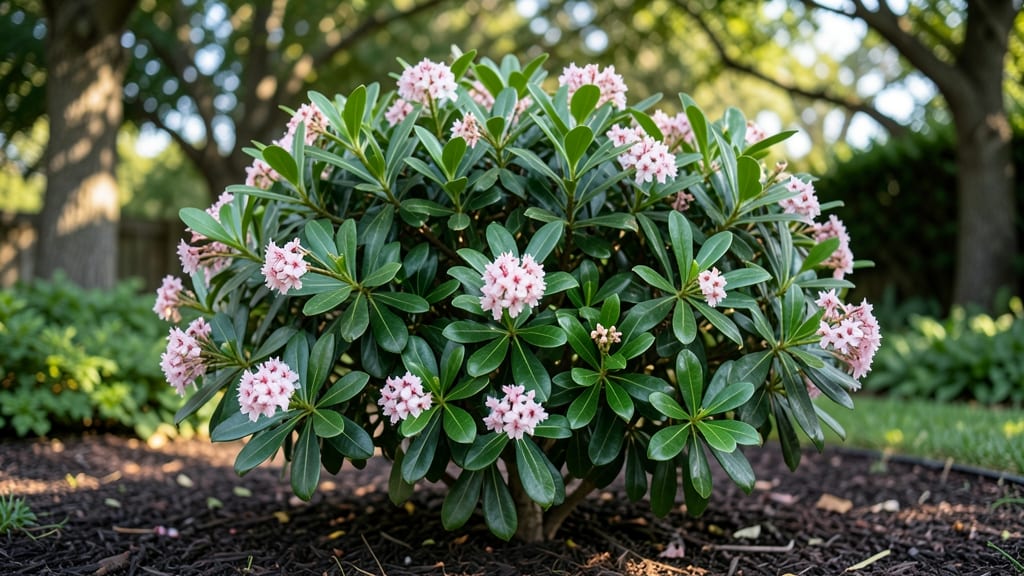
Wondering how tall your Indian Hawthorn 🌿 could grow and whether it’ll fit your garden plans? This fast-growing shrub can reach an impressive 10-15 feet tall—but without the right care, it might outpace your expectations faster than you think.
If you’re dreaming of a lush privacy screen or a low-maintenance hedge, understanding its growth habits is the key. Indian Hawthorn thrives in USDA Zone 6a and beyond, but its height depends on sunlight, soil, and pruning.
Let’s break down what to expect and how to keep it at your ideal size.
Many gardeners assume these shrubs grow wild without intervention, but strategic pruning can control their spread and shape. Whether you want a compact accent plant or a towering backdrop, the right techniques make all the difference. Ready to discover how?
From seasonal pruning tips to avoiding common mistakes, I’ll show you exactly how to manage your Indian Hawthorn’s height—so you can enjoy its beauty without the headaches. Let’s get started!

Indian Hawthorn height and spread: what to expect in different growing conditions
Indian Hawthorn (Rhaphiolepis indica) is a stunning, versatile shrub that thrives in USDA Zones 7-10, but its height and spread can vary dramatically based on your climate and care routine.
In ideal conditions—like full sun exposure and well-draining soil—this shrub can reach 10-15 feet tall with a spread of 8-12 feet, creating a dense, lush privacy screen. However, cooler climates or pruning efforts can keep it shorter, around 6-8 feet, making it perfect for smaller gardens.
If you’re planning your landscape, knowing these growth patterns is key. For example, in Southern U.S. zones (8-10), Indian Hawthorn grows faster and taller due to longer growing seasons, while in Zone 7, its growth slows slightly, staying closer to 8-10 feet without aggressive pruning.
The spread is equally important—this shrub can become wide and bushy, so spacing plants 6-8 feet apart ensures they don’t crowd each other as they mature.
Now, let’s break down the height and spread expectations in different conditions with a quick reference table to help you visualize your Indian Hawthorn’s potential:
| Growing Condition | Mature Height (ft) | Mature Spread (ft) | Growth Rate |
|---|---|---|---|
| Full Sun, Warm Climate (Zones 8-10) | 12-15 ft | 10-12 ft | Fast (2-3 ft/year) |
| Partial Shade, Cooler Climate (Zone 7) | 6-10 ft | 6-8 ft | Moderate (1-2 ft/year) |
| Pruned Regularly (Any Zone) | 4-8 ft (desired height) | 5-7 ft (compact shape) | Controlled (1 ft/year) |
| Poor Soil/Drainage | 6-10 ft (stunted) | 5-7 ft (irregular shape) | Slow (0.5-1 ft/year) |
Sunlight plays a huge role in how tall your Indian Hawthorn grows. In full sun (6+ hours daily), this shrub grows taller and bushier, producing more blooms and denser foliage.
However, if you’re in a hot, dry climate, providing afternoon shade can prevent stress and keep the plant slightly shorter while maintaining its health.
In partial shade, expect slower growth—around 6-10 feet tall—but with a neater, more compact shape, which is ideal for smaller gardens or container growing.
Soil quality is another game-changer. Indian Hawthorn thrives in well-draining, slightly acidic soil (pH 5.0-6.0). If your soil is clay-heavy or alkaline, the plant may grow slowly or develop yellowing leaves, limiting its height potential.
Amending the soil with compost or peat moss can improve drainage and encourage healthier, faster growth. Without proper soil prep, you might see a stunted shrub that never reaches its full 10-15-foot potential.
Watering habits also influence height. While Indian Hawthorn is drought-tolerant once established, deep, infrequent watering (every 7-10 days) encourages strong root development, leading to taller, more robust growth. Overwatering, on the other hand, can cause root rot, stunting the plant’s height and spread.
Aim for 1 inch of water per week during the growing season, and reduce in winter months when growth slows.
If you’re planting Indian Hawthorn as a privacy screen, spacing is critical. For a 10-foot-tall hedge, space plants 4-5 feet apart to allow room for lateral growth. If you want a taller screen (12-15 feet), increase spacing to 6-8 feet.
In smaller gardens, prune regularly to keep the shrub 4-6 feet tall while maintaining its dense, bushy form. This not only controls height but also encourages more blooms and a fuller appearance.
One common misconception is that Indian Hawthorn grows slowly, but in reality, it’s a fast grower—especially in optimal conditions. In its first year, you’ll see 1-2 feet of growth, and by year three, it can reach 6-10 feet if left unpruned.
This rapid growth makes it a fantastic choice for quickly establishing a privacy screen or hedge, but it also means planning ahead is essential to avoid overgrowth.
For container growing, Indian Hawthorn can be kept smaller (4-6 feet tall) with regular pruning and root pruning (trimming roots every 2-3 years). Use a large pot (15+ gallons) with drainage holes and well-draining potting mix to prevent root bound issues.
Container-grown plants may not reach their full height potential, but they’re perfect for patios, balconies, or small yards where space is limited.
No matter where you plant it, understanding your Indian Hawthorn’s growth habits will help you shape it to fit your space—whether you want a tall privacy screen or a compact accent shrub. With the right conditions, this
Indian Hawthorn height and spread: what to expect in different growing conditions
Indian Hawthorn (Rhaphiolepis indica) is a versatile shrub that can transform your landscape with its glossy leaves and delicate flowers—but its mature height of 8-15 feet demands careful planning.
In ideal conditions, it may even reach 18 feet, so understanding its growth patterns is key to keeping it in check.
This shrub typically grows 1-2 feet per year in its early years, accelerating to 3-5 feet annually once established. By year three, you’ll notice rapid vertical growth, which is why many gardeners start pruning early to control its height.
Your Indian Hawthorn’s spread (usually 10-12 feet wide) is almost as impressive as its height. In tight spaces, this can create a dense, impenetrable barrier—but in open areas, it thrives as a standalone specimen.
The key to managing its size lies in pruning timing and technique, which we’ll cover next.
| Growth Factor | Typical Range | Ideal Conditions |
|---|---|---|
| Mature Height | 8–15 ft | Full sun, rich soil |
| Spread | 10–12 ft | Pruned annually |
| Growth Rate (Year 1) | 1–2 ft | Well-draining soil |
| Growth Rate (Mature) | 3–5 ft/year | Fertilized spring/summer |
| Southern U.S. Height | 12–15 ft | Hot, humid climate |
| Cooler Zones Height | 6–10 ft | Partial shade |
If you’re planting Indian Hawthorn in USDA Zones 7-10, expect faster growth due to longer growing seasons. In cooler climates (Zone 6), its height may max out at 8-10 feet unless you provide extra care like winter mulching or shelter.
Soil quality plays a huge role too—well-draining, slightly acidic soil (pH 5.0-6.0) encourages vigorous growth, while poor drainage can stunt its height but lead to root rot. Always amend clay soil with compost to improve aeration and nutrient uptake.
For a compact hedge, plant Indian Hawthorn 3-4 feet apart and prune annually. In open landscapes, space them 8-10 feet apart to let them reach their full potential without crowding. With the right approach, you can enjoy its beauty without losing control of its size.