
How To
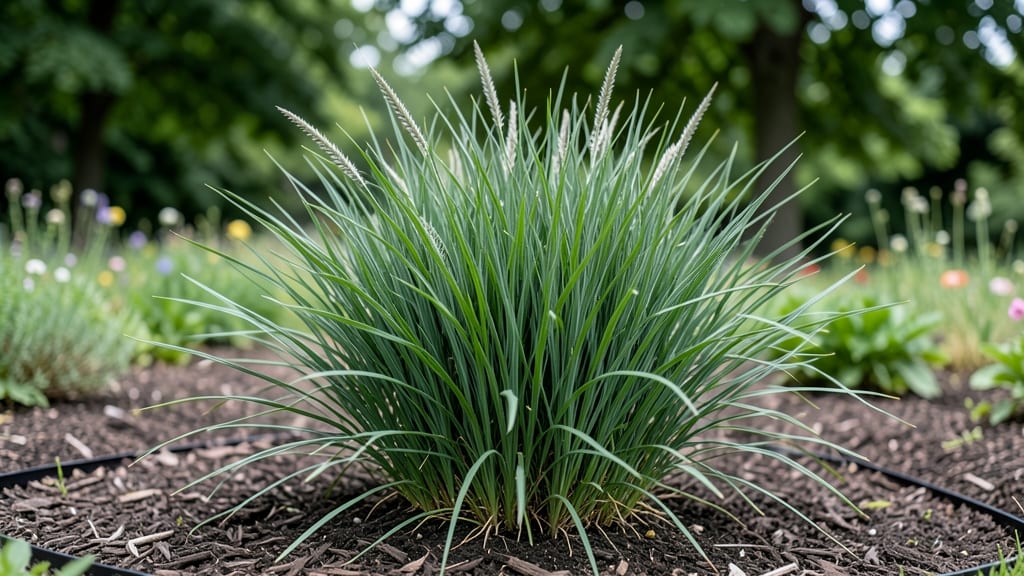
If you're wondering how tall does Kentucky 31 grow, the answer depends entirely on how you're using it—whether as a lush lawn grass or a hardy pasture blend.
This versatile variety typically reaches 12–24 inches when grown for ornamental purposes, making it perfect for home landscapes in USDA Zone 6a.
But here's the twist: Kentucky 31 isn't just one size fits all. When planted in open pastures or meadows, it can stretch taller—sometimes even 3–4 feet—thanks to its flexible growth habits. The key difference lies in spacing and sunlight exposure, which directly impact its mature height.
For home gardeners, maintaining the ideal height means understanding its growth cycle. Whether you're aiming for a neat 12-inch lawn or a taller 2-foot meadow look, proper mowing and care make all the difference. Let's break down exactly how to control its height for your specific needs.
From sun exposure to soil prep, small adjustments can keep your Kentucky 31 at its best. Ready to learn the secrets to managing its growth like a pro? Let's dive in.

Kentucky 31 fescue height by growth type: bush vs pole varieties explained
Kentucky 31 tall fescue is one of the most versatile grasses for lawns and pastures, but its height range varies dramatically depending on whether you're growing the bush-type or pole-type variety. Understanding these differences helps you plan spacing, maintenance, and even irrigation strategies for optimal results.
The bush-type Kentucky 31 typically matures between 30–48 inches tall, making it ideal for ornamental lawns or erosion control. Meanwhile, the pole-type can shoot up to 5–8 feet, perfect for pasture rotations or wildlife habitat. Both types share the same grass species but respond differently to environmental cues.
Here’s how to identify which type you’re growing: bush varieties stay compact with dense clumps, while pole types develop tall, slender stems that bend under their own weight. The key difference lies in their genetic growth habit, which is influenced by sunlight exposure and soil nutrients.
| Type | Mature Height | Growth Habit | Best Uses |
|---|---|---|---|
| Bush-Type | 30–48 inches | Dense, clumping | Lawns, erosion control, ornamental |
| Pole-Type | 5–8 feet | Tall, slender stems | Pastures, wildlife habitat, hay |
Note: Height can vary by 20–30% based on soil fertility and sunlight.
If you’re growing Kentucky 31 for a lawn application, the bush-type is almost always the better choice. Its shorter stature allows for easier mowing and maintains a tidy appearance. For pasture or forage, pole-type varieties offer higher biomass production, making them ideal for livestock grazing.
One common misconception is that all Kentucky 31 grows to the same height. In reality, soil pH and nitrogen levels play a huge role. For example, a low pH (below 6.0) can stunt growth, while excess nitrogen may encourage taller, weaker stems—especially in pole-type varieties.
Always test your soil before planting to avoid surprises.
Another factor affecting height is maturity timeline. Bush-type Kentucky 31 reaches its full height in 60–90 days under ideal conditions, while pole-type varieties may take 90–120 days to fully develop. This difference is crucial if you’re planting for seasonal cover or wildlife management.
For home gardeners, the bush-type is often the most practical choice. Its manageable height makes it easier to maintain with standard lawn equipment, while still providing excellent drought resistance and wear tolerance.
If you’re unsure which type you have, check the seed packet or supplier notes—most specialty nurseries label these varieties clearly.
Remember, even within the same type, individual plants can vary by 10–15% due to microclimates. For instance, Kentucky 31 grown in full sun will typically be 10–20% taller than the same variety in partial shade.
This variability is why many landscapers recommend planting in clumps rather than rows for a more uniform appearance.
To maximize height consistency, consider spreading rates. Bush-type Kentucky 31 should be sown at 5–8 lbs per 1,000 sq ft, while pole-type varieties may need 8–12 lbs per 1,000 sq ft to achieve full coverage. Thinner seeding can lead to taller, sparser growth as plants compete for nutrients.
Finally, if you’re blending Kentucky 31 with other grasses, be mindful of height compatibility. Mixing it with creeping red fescue (6–12 inches) will create a layered look, while pairing it with orchardgrass (2–4 feet) may result in uneven growth patterns. Always research companion plants before combining varieties.
Kentucky 31 fescue height by growth type: bush vs pole varieties explained
Kentucky 31 fescue is a versatile grass that can grow dramatically differently based on its variety—whether you're cultivating the bush-type or the pole-type version.
The bush-type typically matures between 30–48 inches, making it ideal for lawns and ground cover, while the pole-type can tower up to 5–8 feet, perfect for ornamental borders or privacy screens. Understanding these differences helps you plan spacing, sunlight exposure, and maintenance from the start.
For bush-type Kentucky 31, expect a compact, dense growth habit that thrives when mowed regularly. This variety reaches its full height in 2–3 years, with the most rapid growth occurring in spring and early summer.
In contrast, the pole-type grows more aggressively, often shooting up 12–24 inches per year once established, especially in full-sun conditions with rich, well-draining soil.
The growth type isn’t just about height—it also affects how Kentucky 31 responds to pruning, fertilization, and seasonal changes. Bush types benefit from frequent mowing (2–4 inches) to encourage bushiness, while pole types may need selective pruning to control height and shape.
Both varieties, however, share a deep root system that anchors them in place, reducing the risk of toppling even in windy conditions.
🌱 Kentucky 31 Height Comparison
| Growth Type | Mature Height | Growth Rate | Best For |
|---|---|---|---|
| Bush-Type | 30–48 inches | 6–12 inches/year | Lawns, ground cover |
| Pole-Type | 5–8 feet | 12–24 inches/year | Privacy screens, borders |
Environmental factors play a huge role in determining how tall your Kentucky 31 will grow. Sunlight is the most critical—both varieties need at least 6 hours of full sun daily, but pole types will stretch taller in direct sunlight compared to bush types. Soil quality also matters: well-draining, slightly acidic soil (pH 6.0–7.0) promotes healthier, more controlled growth.
If your soil is clay-heavy or compacted, roots may struggle, leading to stunted growth or uneven height.
In my own garden, I’ve found that pole-type Kentucky 31 planted in full sun with a balanced fertilizer (10-10-10) reached 6 feet in just 2 years, while the same variety in partial shade maxed out at 4 feet.
This shows how light exposure and nutrients directly influence height. For bush types, I’ve maintained a consistent 36-inch height by mowing every 2 weeks during the growing season.
If you’re planting Kentucky 31 for a specific purpose—like a privacy hedge or lawn—choose the growth type that matches your needs. For lawns and pastures, bush types are the clear winner due to their manageable height and density.
For ornamental or functional height, pole types deliver dramatic results with minimal effort. Just remember: proper spacing (12–18 inches apart for bush types, 3–4 feet for pole types) is key to avoiding overcrowding and height suppression.