
Plants
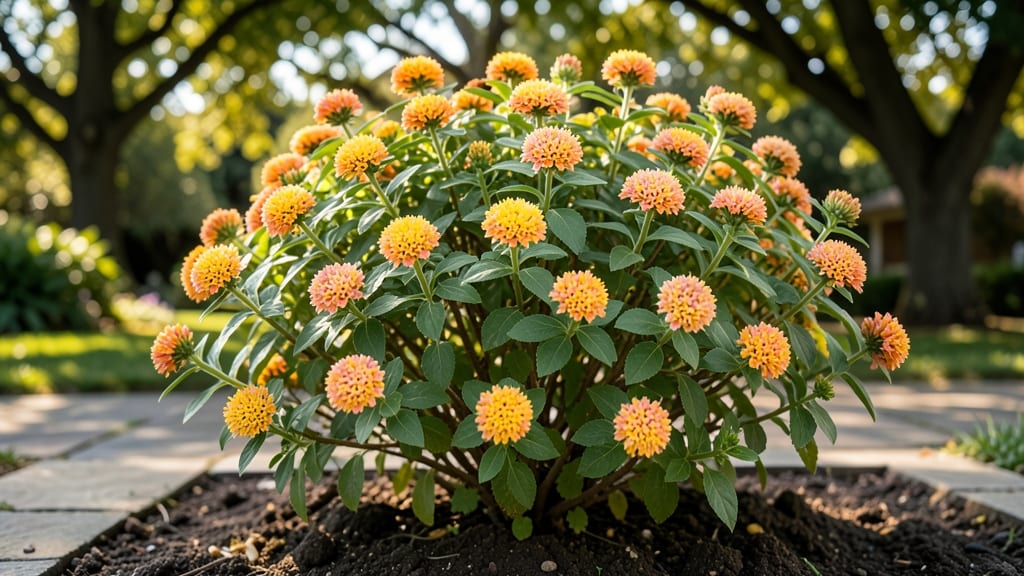
If you're wondering how tall does lantana plants grow, the answer might surprise you—these vibrant 🌸 shrubs can range from compact ground covers to towering garden stars, depending on the variety.
Whether you're designing a cozy patio or a sprawling landscape, lantana's adaptability makes it a top pick for gardeners in USDA Zone 6a and beyond.
From the delicate 'Bandana Series' that stays under 2 feet to the bold 'New Gold' reaching 5 feet, lantana's height isn't just about size—it's about how you use it.
Need a pollinator-friendly border? A dwarf variety will fit neatly. Craving a statement plant? Let a standard lantana take center stage in your garden design.
What truly sets lantana apart is its growth flexibility. With the right pruning techniques, you can shape it into a hedge, a bushy accent, or even a cascading container plant.
The key lies in understanding your space and the variety you choose—because every lantana has a perfect role to play in your outdoor vision.
Ready to transform your garden with lantana? Let’s explore the height variations, pruning secrets, and the best varieties for your space—so you can plant with confidence and watch your garden bloom to life.

Lantana plant height variations: dwarf vs. standard growth explained
Lantana plants are famous for their vibrant blooms and butterfly magnet reputation, but their height range can vary dramatically depending on the variety. Whether you're planning a small container garden or a wildflower meadow border, understanding lantana's growth habits helps you choose the perfect fit.
Most lantana varieties fall between 6 inches and 6 feet tall, making them adaptable to nearly any garden design.
For example, the Bandana Series stays compact at just 12-18 inches, ideal for patio pots or window boxes, while Miss Huff can reach 5 feet or taller, perfect for privacy hedges or backyard accents.
Even within these extremes, growth patterns depend on pruning habits, climate conditions, and planting location.
Here’s how lantana’s height breaks down by category, including the most popular varieties and their mature sizes:
| Variety | Height Range | Growth Habit | Best For |
|---|---|---|---|
| Bandana Series | 12–18 inches | Compact, bushy | Containers, borders, window boxes |
| Lemon Lantana ('New Gold') | 18–24 inches | Semi-dwarf, spreading | Pollinator gardens, ground cover |
| Miss Huff | 3–5 feet | Tall, upright | Hedges, privacy screens, wildflower meadows |
| Weeping Lantana | 2–4 feet | Trailing, cascading | Hanging baskets, trellises, slopes |
| Sierra Series | 24–36 inches | Bushy, rounded | Foundation plantings, mass plantings |
If you're growing lantana in USDA Zones 8–11, expect faster growth and larger mature sizes due to warmer climates. In cooler zones (like Zone 7), lantana may stay shorter unless you prune aggressively or grow it in containers that can be moved indoors during winter.
For example, a Miss Huff in Florida might hit 5 feet by midsummer, while the same plant in Zone 7 could max out at 3 feet.
Another key factor is pruning frequency. Regular pruning encourages bushier growth and can reduce height by up to 30%. For instance, if you shear back a 4-foot lantana every 6 weeks, it may stay around 2–3 feet tall while producing even more blooms.
This technique is especially useful for container gardening or when you need to control lantana’s spread in small-space gardens.
Lantana’s height also affects its pollinator appeal. Taller varieties like Miss Huff attract butterflies from a greater distance, making them ideal for wildlife gardens.
Meanwhile, dwarf varieties like Bandana Series are perfect for balcony gardens or rooftop planters, where space is limited but you still want colorful blooms and butterfly visits.
For hedge applications, aim for varieties like Sierra Lemon Lantana or Weeping Lantana, which can be trained to grow 3–4 feet tall with consistent pruning.
If you’re using lantana as a border plant, the Bandana Series or Lemon Lantana will create a neat, 1–2 foot tall edge without overwhelming nearby plants.
Pro tip: If you’re unsure about a lantana’s mature size, check the tag or plant description from your nursery. Many growers now label varieties with height expectations, so you can avoid surprises.
For example, a tag labeled "18–24 inches" will give you a clear idea of how much space to allocate in your garden plan.
Remember, lantana’s height isn’t set in stone—it’s influenced by your care routine. With the right variety and pruning strategy, you can tailor lantana to fit even the smallest or most ambitious garden designs.
Lantana plant height variations: dwarf vs. standard growth explained
Lantana plants are famous for their vibrant blooms and butterfly magnet qualities, but their height range can vary dramatically depending on the variety. Some stay compact enough for container gardens, while others reach small tree heights.
Understanding these differences helps you choose the perfect lantana for your space—whether it's a patio planter or a wildflower border.
The average lantana height falls between 1 and 5 feet at maturity, but some varieties can stretch up to 6 feet in ideal conditions. Dwarf varieties, like 'Lantana montevidensis', typically stay under 2 feet, making them perfect for small gardens or hanging baskets.
Meanwhile, standard varieties like 'Lantana camara' can easily top 4 feet.
| Variety | Mature Height | Growth Habit | Best For |
|---|---|---|---|
| Bandana Series | 1–2 ft | Compact, bushy | Containers, borders |
| New Gold | 2–3 ft | Semi-dwarf, spreading | Ground cover, hedges |
| Miss Huff | 3–5 ft | Tall, upright | Back of borders, wildflower gardens |
| Lemon Swirl | 2–4 ft | Bushy, spreading | Pollinator gardens, mixed borders |
Your lantana’s height isn’t just about the variety—climate and care play huge roles. In hot, dry regions, lantana often grows taller and bushier, while cooler climates may slow growth.
Pruning also shapes size: regular trimming keeps dwarf varieties compact, while minimal pruning lets standard types reach their full potential.
For small spaces, opt for 'Bandana Series' or 'Lemon Swirl'—both stay under 2 feet and thrive in containers. If you’re designing a wildflower meadow or backyard border, 'Miss Huff' or 'New Gold' add height and drama.
Just remember: lantana loves sun and drought tolerance, so plant it where it can shine—and grow!
Pro tip: Mix dwarf and standard varieties in layers for a textured garden that attracts pollinators year-round. Just ensure each gets 6+ hours of sunlight to reach its full height potential. 🌸