
Plants
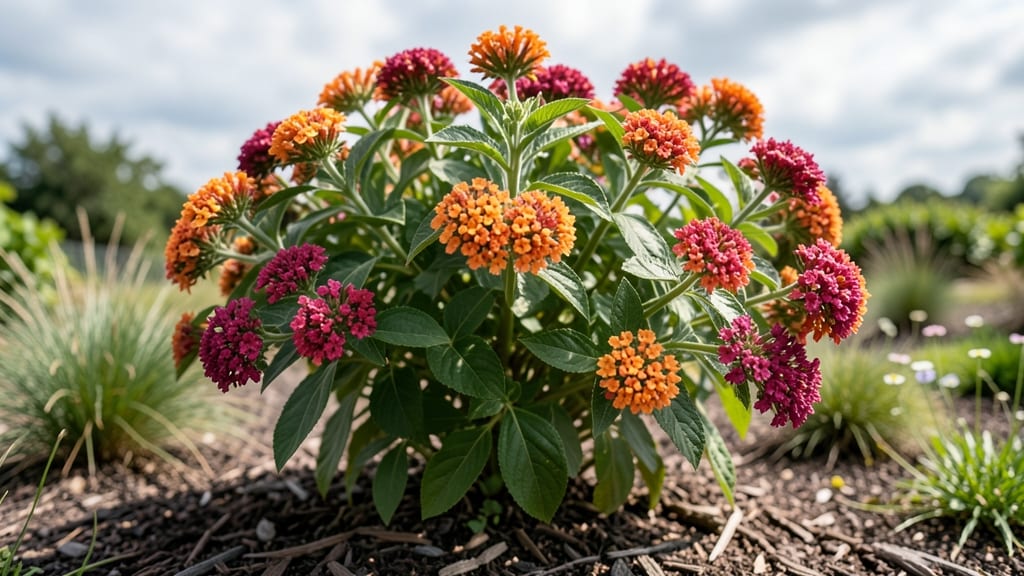
If you're planning to add lantana 🌸 to your garden, one of the first questions you'll ask is how tall do lantana plants grow. The answer isn't one-size-fits-all—these vibrant shrubs range from compact 1-foot dwarfs to towering 6-foot giants, depending on the type and growing conditions.
For most gardeners in USDA Zone 6a, standard lantana varieties typically reach 3 to 5 feet at maturity, making them perfect for borders or mixed shrub beds. But if you're working with limited space, dwarf varieties stay between 1 and 2 feet, ideal for containers or small gardens.
What you might not realize is that sunlight, pruning habits, and even your local climate play a huge role in determining how tall your lantana will grow. With the right care, you can keep even standard varieties in check—or let them sprawl for a fuller look.
Let's break down the height ranges, how to control growth, and which varieties suit different spaces so you can choose the perfect lantana for your garden layout.

Lantana growth height by variety: dwarf vs. standard vs. giant types
Lantana plants are famous for their colorful, butterfly-attracting blooms, but their height varies dramatically depending on the variety. Most gardeners assume lantana stays compact, but some varieties can grow surprisingly tall—up to 6 feet or more in ideal conditions.
Choosing the right type for your space ensures your garden stays balanced and visually appealing.
If you're planning a container garden, a dwarf variety (1–2 feet tall) will thrive in pots, while standard varieties (3–5 feet) work well for borders and hedges.
For larger landscapes, giant lantana types can create stunning focal points. Let’s break down the exact height ranges and what to expect from each type.
🌱 Key Factors Affecting Height: Sunlight, pruning habits, and soil quality play huge roles. Lantana in full sun grows taller and bushier, while partial shade can stunt growth. Regular pruning keeps plants compact, while neglect leads to leggy, overgrown shrubs.
For example, the popular ‘Bandana Cherry Lantana’ stays under 2 feet tall, making it perfect for hanging baskets or patio planters. In contrast, ‘Lemon Lantana’ can reach 5–6 feet if left unpruned, ideal for backyard hedges or wildlife-friendly borders.
If you’re in a USDA Zone 9–11, lantana grows fastest and tallest due to warm winters. In cooler zones (like Zone 7–8), growth slows, and plants may stay 1–2 feet shorter unless you provide extra care.
Always check your variety’s specific needs—some tropical hybrids thrive in heat but struggle in frost.
Pro tip: Measure your space before planting. A 5-foot lantana in a 3-foot-wide border will quickly outgrow its home, while a dwarf variety in a 10-gallon pot may become root-bound. Leave at least 1–2 feet of clearance around mature plants for airflow and maintenance.
Lantana’s spreading habit also matters. Even dwarf types can widen 2–3 feet, so account for that when designing your garden layout. For containers, choose a pot 2–3 times wider than the plant’s mature height to prevent overcrowding.
🌿 Regional Note: In Southern California, lantana often grows 30–50% taller than in Midwest gardens due to year-round warmth. Always adjust spacing based on your local climate—when in doubt, plant smaller and prune as needed.
Lantana growth height by variety: dwarf vs. standard vs. giant types
Lantana plants are famous for their colorful, long-lasting blooms and adaptability, but their height varies dramatically depending on the variety. If you’re planning your garden layout, knowing whether to expect a compact 1-foot shrub or a towering 6-foot giant makes all the difference.
Let’s break down the height ranges so you can pick the perfect lantana for your space.
Most standard lantana varieties reach heights of 3 to 5 feet at maturity, making them ideal for borders, hedges, or mixed shrub beds. However, some dwarf varieties stay under 2 feet, perfect for containers or small gardens, while giant types can exceed 6 feet in ideal conditions.
Your choice depends on sunlight, pruning, and even your USDA hardiness zone.
🌱 Visual Tip: Imagine a standard lantana as tall as a kitchen countertop (about 36 inches) and a giant variety reaching the height of a lamppost. This helps visualize spacing needs before planting.
| Variety Type | Mature Height | Best For | Sunlight Needs |
|---|---|---|---|
| Dwarf Varieties | 1–2 feet | Containers, window boxes, small gardens | Full sun (6+ hours) |
| Standard Varieties | 3–5 feet | Borders, hedges, mixed shrub beds | Full sun (6+ hours) |
| Giant Varieties | 5–7+ feet | Privacy screens, large landscapes | Full sun (6+ hours) |
💡 Pro Tip: All lantana varieties thrive in full sun and well-draining soil, but dwarf types may need regular pruning to stay compact.
If you’re in USDA Zone 8 or higher, giant lantana varieties like ‘Miss Huff’ can grow 7 feet or taller with minimal pruning. In cooler zones (like Zone 7), expect 3–4 feet unless you provide winter protection.
For containers or small spaces, opt for ‘Bandana Series’ or ‘New Gold’, which stay under 2 feet even when unpruned.
One common misconception is that all lantana plants sprawl wildly. In reality, their height is largely controlled by pruning and variety selection. For example, ‘Lemon Lantana’ grows 4–5 feet tall but spreads 6 feet wide, making it perfect for ground cover or mass planting.
Meanwhile, ‘Weeping Lantana’ cascades elegantly, reaching 3–4 feet tall but trailing 5+ feet—ideal for hanging baskets or tiered planters.
For urban gardeners with limited space, dwarf varieties are a game-changer. They fit neatly on patios, balconies, or rooftop gardens while still delivering months of blooms. Just ensure your container has drainage holes and use well-draining potting mix to prevent root rot.
With the right variety, you can enjoy lantana’s vibrant colors without sacrificing precious square footage.
🌻 Ready to pick your perfect lantana? Start by measuring your space and checking sunlight exposure. If you’re unsure, standard varieties are the safest bet—they’re versatile, hardy, and adaptable to most garden designs.