
Plants
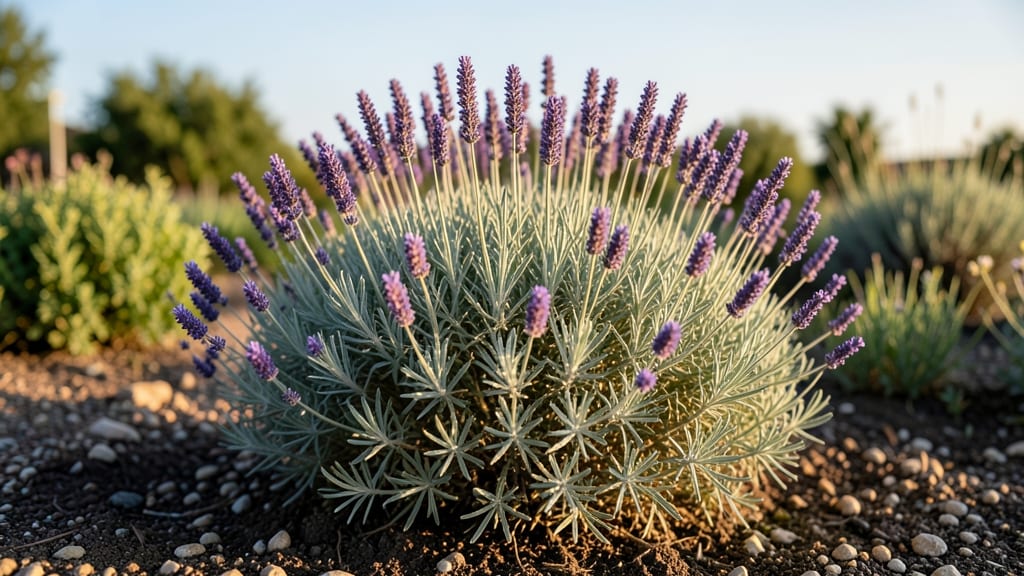
Wondering how tall does lavender plants grow in your garden? The answer might surprise you—these fragrant beauties can range from petite 1-foot shrubs to towering 4-foot giants, depending on the variety and care you provide.
If you're planning your garden layout, knowing the mature height of lavender is key to creating a cohesive look. Some varieties stay compact, perfect for borders or containers, while others grow tall enough to serve as natural privacy screens.
The right placement can make all the difference in your outdoor space.
In this guide, I'll break down the height differences between popular lavender types and share practical tips to control their growth. Whether you're working with USDA Zone 6a conditions or simply want to keep your lavender in check, you'll learn how to maximize their beauty without overcrowding your garden.
From dwarf varieties that fit snugly in pots to tall cultivars that thrive in sunny borders, we'll cover everything you need to know. Let's get started on creating the perfect lavender haven in your yard!

Lavender plant height by variety: from dwarf to towering types
Lavender isn’t just one-size-fits-all—its height can vary dramatically depending on the variety and growing conditions. Whether you’re planning a container garden or a fragrant hedge, knowing these mature heights will help you choose the perfect lavender for your space.
Most varieties reach their full height within 2-3 years, so patience pays off for that signature purple bloom you love.
English lavender (Lavandula angustifolia), the classic choice for gardens, typically grows 18–36 inches tall with a bushy habit. This makes it ideal for borders or mixed flower beds.
Meanwhile, Spanish lavender (Lavandula stoechas) stands taller at 24–48 inches, with its distinctive rabbit-ear blooms adding a whimsical touch. If you’re short on space, don’t overlook dwarf varieties like 'Hidcote' or 'Mini Blue,' which stay under 12 inches—perfect for window boxes or small pots.
For those dreaming of a privacy screen or dramatic backdrop, Grosso lavender (Lavandula x intermedia) is a powerhouse, reaching 3–5 feet tall with a woody base that adds structure to any landscape.
Its longer blooming season (summer to early fall) makes it a standout. If you’re unsure which variety suits your garden, consider your sunlight exposure and soil drainage—both are critical for achieving these ideal heights.
| Variety | Mature Height | Growth Habit | Best For |
|---|---|---|---|
| English Lavender (L. angustifolia) | 18–36" | Bushy, compact | Borders, containers |
| Spanish Lavender (L. stoechas) | 24–48" | Upright, slightly spreading | Accent plants, rock gardens |
| Grosso Lavender (L. x intermedia) | 3–5 ft | Tall, woody base | Hedges, privacy screens |
| Dwarf Hidcote | 12–18" | Compact, rounded | Window boxes, small pots |
| Provence Lavender (L. x intermedia) | 2–3 ft | Bushy, fragrant | Cut flowers, pollinator gardens |
| Mini Blue | 8–12" | Tiny, dense | Miniature gardens, fairy landscapes |
When planning your lavender layout, remember that spacing matters. For bushy varieties like English lavender, space plants 18–24 inches apart to allow airflow and prevent disease. Taller varieties like Grosso need 3–4 feet of space to avoid crowding, which can lead to leggy growth or reduced blooms.
If you’re using lavender as a hedge, aim for 2–3 plants per foot of height for a dense, fragrant barrier.
One common mistake is assuming all lavender grows the same height. Spanish lavender, for example, can easily reach 4 feet if given ideal conditions, while dwarf varieties like 'Mini Blue' will stay under 1 foot unless over-fertilized.
To encourage compact growth, prune regularly and avoid rich, nitrogen-heavy soil—lavender thrives in poor, well-draining soil that mimics its Mediterranean roots.
If you’re growing lavender in containers, choose a pot that’s at least 12 inches deep and wide to accommodate roots. Dwarf varieties can thrive in 6-inch pots, but taller types will need larger containers to prevent root binding, which stunts growth.
Always use a fast-draining mix with perlite or sand to avoid soggy soil, a lavender nemesis.
For those in cooler climates (USDA zones 5–6), some lavender varieties may grow slightly shorter due to shorter growing seasons. In warmer zones (7–10), lavender can become more vigorous, sometimes exceeding typical height ranges.
To keep your lavender healthy and within desired limits, monitor its growth and adjust pruning or spacing as needed. With the right variety and care, your lavender will not only reach its full height potential but also reward you with abundant blooms and that signature fragrance.
Pro tip: Pair taller lavender varieties with shorter perennials like thyme or rosemary to create a layered look that adds depth to your garden. The contrast in heights and textures will make your landscape pop while keeping maintenance manageable. Happy planting! 🌿
Lavender plant height by variety: from dwarf to towering types
Lavender isn’t just one-size-fits-all—its height can vary dramatically depending on the variety you choose. Whether you’re planning a container garden or a privacy hedge, knowing the mature size of your lavender is key to avoiding overcrowding or wasted space.
Most lavender plants reach their full height within 2–3 years, but some varieties grow aggressively, while others stay compact enough for small spaces. Let’s break down the most popular types and their typical mature heights.
For example, English lavender (Lavandula angustifolia), the classic variety, usually tops out at 2–3 feet, making it perfect for borders or mixed flower beds.
On the other hand, Spanish lavender (Lavandula stoechas) can reach 3–4 feet, with its striking rabbit-ear flowers adding height and drama to your garden.
If you’re working with limited space, dwarf varieties like Lavandula angustifolia ‘Hidcote’ stay under 12 inches, while tall hybrids like Lavandula x intermedia ‘Grosso’ can soar to 4–5 feet.
| Variety | Mature Height | Growth Habit | Ideal Spacing |
|---|---|---|---|
| English Lavender (L. angustifolia) | 2–3 ft | Bushy, upright | 18–24 in apart |
| Spanish Lavender (L. stoechas) | 3–4 ft | Upright, slightly woody | 24–36 in apart |
| Dwarf Hidcote (L. angustifolia ‘Hidcote’) | 12–18 in | Compact, rounded | 12–18 in apart |
| Grosso (L. x intermedia ‘Grosso’) | 4–5 ft | Tall, bushy | 36–48 in apart |
| Provence (L. x intermedia ‘Provence’) | 3–4 ft | Bushy, fragrant | 24–36 in apart |
| French (L. dentata) | 2–3 ft | Spreading, woody | 18–24 in apart |
When planning your garden, spacing is just as important as height. For example, Grosso lavender, which can reach 5 feet, needs 3–4 feet of space between plants to prevent competition for nutrients and sunlight.
Meanwhile, dwarf varieties like Hidcote can be planted 12 inches apart in containers or small garden beds. Always check the growth habit—some lavender varieties spread wider than they grow tall, while others have a more upright form.
Another factor to consider is pruning. Without regular pruning, even compact varieties like English lavender can become leggy and overgrown, reaching heights beyond their typical range. Pruning not only controls height but also encourages denser foliage and more abundant blooms.
If you’re growing lavender for hedges or privacy screens, opt for taller varieties like Grosso or Provence and prune them 2–3 times per year to maintain a neat, uniform height.
For small gardens or containers, focus on dwarf or semi-dwarf varieties. These include Lavandula angustifolia ‘Munstead’ (18–24 inches) or Lavandula stoechas ‘Kew Red’ (12–18 inches). These varieties thrive in 5–7 gallon pots and can even be grown on balconies or patios with proper sunlight and well-draining soil.
Pair them with thyme, rosemary, or sedum for a low-maintenance, fragrant display that won’t overwhelm your space.
If you’re aiming for a bold statement, taller lavender varieties like Spanish lavender or Grosso are excellent choices. These can be planted in rows along fences or walls to create a natural screen or used as focal points in larger garden designs.
Just remember: taller lavender needs more space, so plan accordingly to avoid overcrowding. With the right variety and spacing, your lavender can become the fragrant centerpiece of your garden, whether it’s a tiny container or a sprawling hedge.