
How To
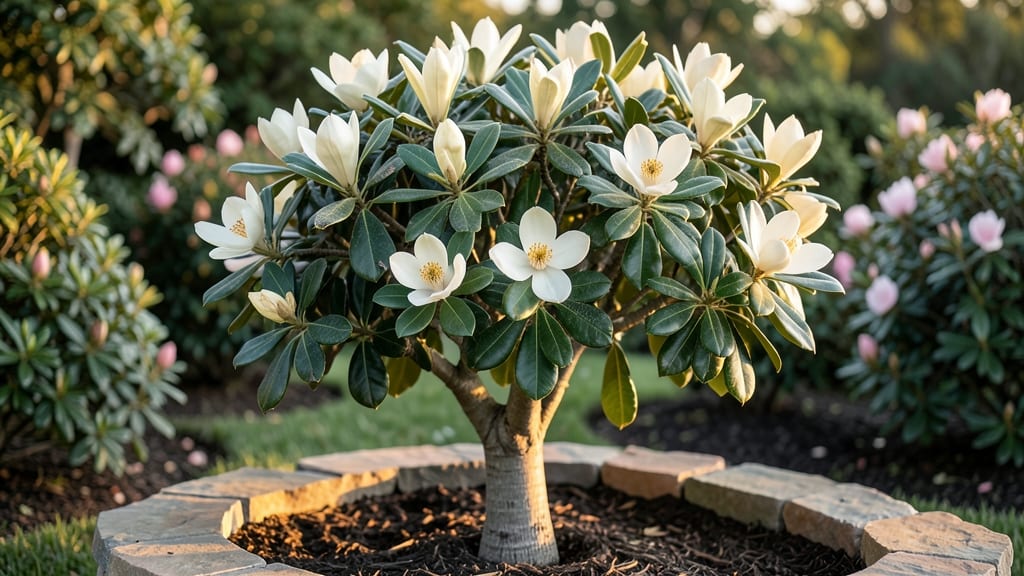
If you're wondering how tall does the Little Gem Magnolia grow, this compact variety might be your perfect match—without sacrificing beauty for space. This stunning tree reaches a manageable 15-25 feet tall, making it ideal for small gardens and urban landscapes where room is limited.
What sets the Little Gem apart is its ability to thrive in tight spaces without losing its elegance. Unlike its larger relatives, this tree maintains a 12-15 foot spread, allowing it to fit seamlessly into modest yards.
Whether you're a city dweller with limited outdoor space or a gardener seeking a low-maintenance option, this magnolia delivers.
In this guide, I'll break down everything you need to know about its growth habits, including how to maximize its height in constrained spaces. You'll discover the key factors that influence its growth—from planting techniques to seasonal care—and learn how to keep it healthy without overcrowding your landscape.
Ready to add a touch of elegance to your garden without the bulk? Let's explore how to nurture your Little Gem Magnolia for years of stunning blooms and lush foliage.

Little Gem magnolia height: exact growth expectations and space requirements
The Little Gem magnolia (Magnolia grandiflora 'Little Gem') is a dwarf evergreen designed for small spaces, but its mature height still surprises many gardeners. At full maturity, it typically reaches 15–25 feet tall, with a spread of 12–15 feet wide.
This makes it significantly smaller than standard Southern magnolias (which can tower over 60 feet), but it’s still a statement tree for compact yards.
What sets the Little Gem apart is its growth rate. In the first year, it grows 2–4 feet, then 3–5 feet annually until it reaches maturity—usually within 10–15 years. This predictable growth makes it ideal for urban landscapes or gardens with limited vertical space.
Unlike its larger cousins, it won’t overwhelm patios or small lawns, yet it still delivers those iconic magnolia blooms and glossy evergreen foliage.
When planning your garden layout, remember that 15–25 feet is roughly the height of a two-story house door to a telephone pole. This means it can fit neatly in a mid-sized yard or alongside a driveway, but it will need 10–12 feet of clearance overhead for branches.
For smaller spaces, consider planting it near a fence or wall to maximize its vertical presence without sacrificing ground space.
The Little Gem’s spread (12–15 feet) is almost as wide as it is tall, so planting distance is critical. Avoid crowding it with other trees or large shrubs, as this can stunt its growth or lead to disease pressure from poor air circulation.
In USDA zones 6–10, where it thrives, give it at least 8–10 feet of space from other plants to ensure healthy development.
One common misconception is that dwarf magnolias stay small forever. While the Little Gem is indeed slow-growing compared to fast trees like willows, it will still reach its mature height if given proper care.
Pruning can help control its shape and prevent it from outgrowing its space, but it won’t drastically reduce its height. Focus instead on annual pruning to remove dead branches and shape its canopy.
| Growth Stage | Height Range | Spread Range | Time to Reach |
|---|---|---|---|
| Year 1 | 2–4 ft | 3–5 ft | First year |
| Year 5 | 8–12 ft | 8–10 ft | 5 years |
| Mature | 15–25 ft | 12–15 ft | 10–15 years |
🌱 Little Gem Magnolia Growth Timeline
To encourage optimal growth, plant your Little Gem in well-draining soil with a slightly acidic pH (5.5–6.5). It thrives in partial sun to full sun, so choose a spot with at least 4–6 hours of morning sunlight to prevent leaf scorch.
In hotter climates (zones 8–10), afternoon shade can help maintain its vibrant foliage and flower production.
If you’re planting near a structure or sidewalk, keep the trunk at least 3–5 feet away to avoid root competition and potential damage from expanding roots. Mulch around the base (but avoid piling mulch against the trunk) to retain moisture and regulate soil temperature, which supports steady growth.
In container growing, expect slightly slower growth due to root restrictions, but it can still reach 10–12 feet tall in a large pot (20+ gallons).
One of the Little Gem’s biggest advantages is its low-maintenance nature. Unlike larger magnolias, it doesn’t require heavy pruning to control height, but light annual pruning after flowering (late spring) helps maintain its shape and removes any dead or crossing branches.
This not only keeps it looking tidy but also promotes airflow, reducing the risk of fungal diseases like powdery mildew.
For gardeners in small urban spaces, the Little Gem is a game-changer. Its compact stature allows it to fit into narrow yards, courtyards, or even large containers on patios.
Pair it with dwarf shrubs like boxwoods or hydrangeas to create a layered, lush landscape without sacrificing vertical impact. Just remember: patience is key—its full beauty unfolds over decades, but every year brings it closer to that showstopping magnolia charm.
Little Gem magnolia height: exact growth expectations and space requirements
The Little Gem magnolia is often marketed as a "dwarf" variety, but its mature height can still surprise gardeners. At full maturity, this stunning tree typically reaches 15 to 25 feet tall, with a spread of 12 to 15 feet.
While smaller than its Southern magnolia cousins (which can hit 60+ feet), it's still a substantial tree that needs thoughtful planning for small spaces.
What sets the Little Gem apart is its growth rate. In ideal conditions, it grows about 12 to 24 inches per year during its first decade. By year 5, you'll likely see it standing 10 to 12 feet tall, making it a slower grower than many ornamental trees.
This steady pace gives you time to adjust your landscape plans as it matures.
🌱 Little Gem Magnolia Growth Summary
| Stage | Height Range | Spread | Growth Rate |
|---|---|---|---|
| Year 1 | 2–4 ft | 3–5 ft | 12–24 in/year |
| Year 5 | 10–12 ft | 8–10 ft | 12 in/year |
| Mature (10+ yrs) | 15–25 ft | 12–15 ft | 6–12 in/year |
Growth varies by climate, soil quality, and care. Pruning can influence final height.
For small gardens, this height can be challenging, but strategic planting helps. Position the Little Gem near a north or east-facing wall to reduce its visual impact while maximizing sunlight.
Alternatively, plant it as a specimen tree in a large planter (minimum 3 feet in diameter) to contain its roots and slow growth slightly.
Another key factor is its canopy shape. The Little Gem develops a pyramidal form when young, which opens into a rounded, vase-like shape at maturity. This natural structure makes it easier to fit into tight spaces compared to broad, flat-topped trees.
Prune in late winter to maintain its shape and encourage upward growth.
If you're worried about overcrowding, consider its root spread. The roots extend about 1.5 times the canopy width, so plan for at least 20 feet of clearance from buildings or sidewalks.
In urban settings, mulching (3–4 inches of organic mulch) helps control root spread while keeping the soil moist.
Remember, the Little Gem isn't just about height—it's about impact. Its fragrant white blooms in spring and evergreen foliage make it a year-round star, even in compact spaces. With the right placement, you can enjoy its beauty without sacrificing your garden's functionality. 🌿