
How To
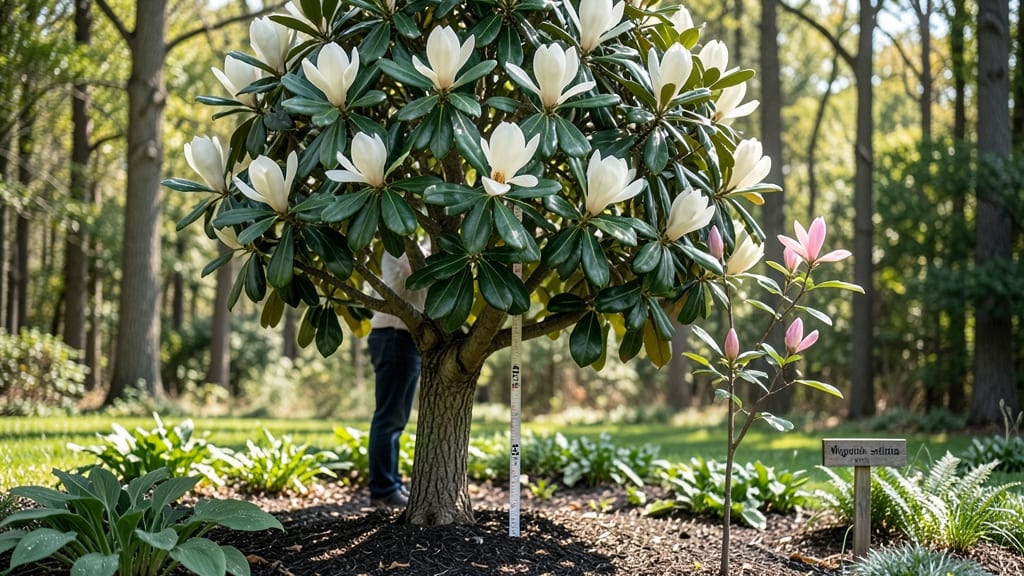
If you're planning to add a magnolia tree to your yard, the first question you'll ask is: how tall does it grow? The answer isn't one-size-fits-all—these stunning 🌳 beauties range from compact shrubs to towering giants that dwarf even the tallest houses.
For gardeners in USDA Zone 6a, choosing the right variety matters more than ever. Some species like the Southern Magnolia can reach 60-80 feet at maturity, while others like the Star Magnolia stay a manageable 15-25 feet. That difference means everything from planting placement to long-term care.
But here's the good news: knowing your options lets you pick a magnolia that fits your space perfectly. Whether you want a fast-growing shade tree or a smaller specimen for your patio, we'll break down the heights, growth rates, and spacing tips you need to plan ahead.
Let’s explore how to select the perfect magnolia for your yard—without sacrificing beauty for size. You’ll discover which varieties grow fastest, how pruning affects height, and the best compact options for small spaces.

Magnolia tree height by species: mature sizes & fastest-growing varieties
Magnolias are nature’s living sculptures, but their mature heights vary dramatically—from 3-foot shrubs to 100-foot giants. The Southern Magnolia (Magnolia grandiflora) can tower 60–80 feet, while the Star Magnolia (Magnolia stellata) stays cozy at 15–25 feet.
Choosing the right species isn’t just about aesthetics; it’s about long-term yard planning, especially in urban areas where space is limited.
Fast growth isn’t always the goal—some magnolias take decades to reach maturity, while others burst upward in 10 years. Below, I’ve ranked the most popular varieties by height, growth rate, and ideal climate to help you pick the perfect fit for your garden’s scale and sunlight.
Pro Tip: Always check your USDA hardiness zone (most magnolias thrive in zones 5–9) and measure your yard’s available space before planting. A 60-foot tree won’t fit in a 20-foot front yard—trust me, I’ve seen the regrets!
If you’re short on space but love magnolias, dwarf varieties like Magnolia ‘Black Tulip’ or Magnolia ‘Jane’ (10–12 feet) are game-changers. They deliver stunning blooms without the space commitment of their towering cousins. Just be patient—even fast growers like the Saucer Magnolia take 10–15 years to reach full height.
For privacy or shade
How to predict your Magnolia’s height: pruning tips & growth hacks for smaller yards
Controlling a magnolia’s height starts with understanding its natural growth rate. Most species grow 12–24 inches per year, but aggressive pruning can slow this by up to 50%. The key is timing—prune in late winter or early spring before new growth begins.
This ensures you shape the tree without triggering excessive regrowth, which can make it bushier but not necessarily shorter.
For dwarf varieties like Magnolia ‘Black Tulip’, pruning is minimal. These stay under 10 feet tall naturally, but you can still trim to encourage a fuller canopy.
Use sharp bypass pruners to make clean cuts just above outward-facing buds. Avoid cutting into old wood, as magnolias struggle to regrow from these areas.
If your magnolia is already too tall, structural pruning is your best bet. Focus on removing suckers at the base and thinning out crowded branches. Never remove more than 25% of the canopy in one year, or you risk stressing the tree.
For dramatic height reduction, spread cuts over 3–4 years to give the tree time to recover.
🌿
- Topping the tree: Cutting the main trunk flat encourages weak, water-sprout growth.
- Pruning in summer: New growth is more vulnerable to disease and frost damage.
- Over-fertilizing: Excess nitrogen speeds up growth, making the tree taller faster.
- Ignoring root competition: Nearby trees or shrubs can stunt your magnolia’s growth.
Root pruning can also limit height by restricting the tree’s nutrient uptake. Dig a 6-inch-deep trench around the drip line in early spring, cutting 20–30% of fine roots. This forces the tree to allocate energy to existing branches rather than new vertical growth.
Pair this with mulching (3–4 inches of organic mulch) to retain moisture and reduce stress.
For urban gardeners, consider container-growing dwarf varieties. Magnolia ‘Jane’ thrives in 15-gallon pots and stays under 12 feet tall. Use a well-draining mix with 50% compost and repot every 2–3 years to prevent root-bound stress. Place containers in partial shade to protect delicate blooms from harsh afternoon sun.
Regular monitoring is key—check your magnolia’s growth every 6 months and adjust pruning as needed. With patience and the right techniques, even a 60-foot Southern Magnolia can be coaxed into a manageable size for your landscape.
Start small, and your magnolia will reward you with healthier blooms and a more compact form.
✂️