
How To
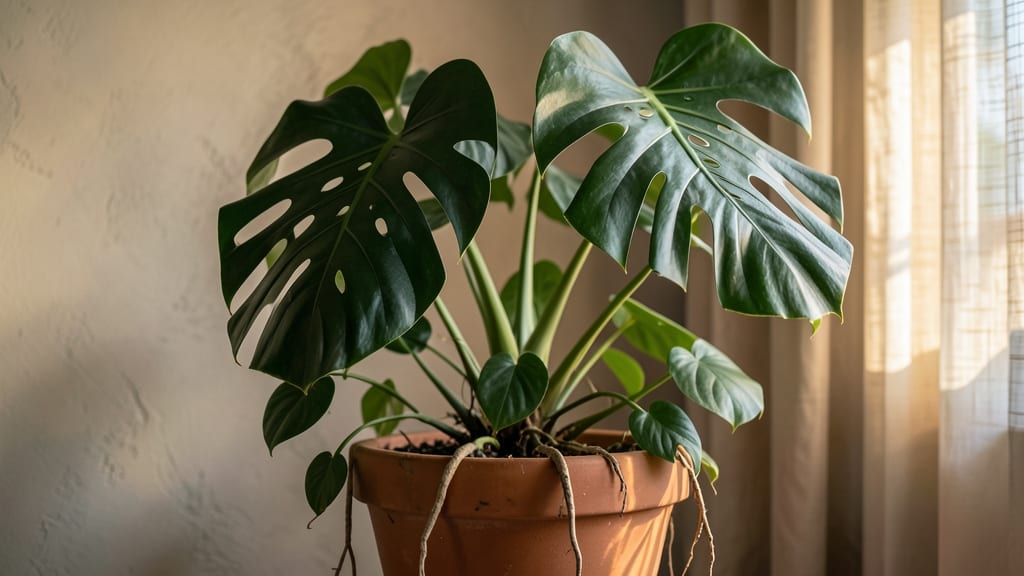
If you’ve ever wondered how tall does Monstera Deliciosa grow, you’re not alone—this tropical showstopper can stretch toward the ceiling faster than you can say "split-leaf." 🌿 Whether you're dreaming of a lush vertical garden or bracing for a vine that might need a ladder, knowing its growth habits is key to keeping it happy (and your space manageable).
Indoors, a healthy Monstera Deliciosa can climb 6 to 10 feet—or even higher with the right conditions—while outdoors, it might reach 20 feet or more in ideal climates like USDA Zone 6a. The key? Light, support, and a little patience, because this plant doesn’t rush its growth spurt.
But here’s the thing: without proper care, your once-charming vine could turn into a ceiling hazard. I’ll break down exactly how to manage its height, from pruning tips to creative support systems, so you can enjoy its stunning foliage without sacrificing your living room’s airflow.
Ready to turn your Monstera into a statement piece—without it becoming a statement problem? Let’s dive into the details that’ll keep your plant thriving and your space stress-free.

Monstera Deliciosa height guide: expected growth rates and mature sizes
Your Monstera Deliciosa isn’t just a houseplant—it’s a vertical powerhouse that can transform your space into a lush jungle. Under ideal conditions, this tropical vine can reach 10–20 feet indoors, though most home growers see heights between 6–10 feet over 3–5 years.
The key? Understanding its growth stages and how to nurture them.
In its first year, expect modest growth of 1–2 feet, with leaves developing those iconic fenestrations (split leaves) as it matures. By year two, your Monstera typically doubles its height to 3–5 feet, provided it gets enough bright indirect light and humidity.
This is when you’ll notice larger, more dramatic foliage emerging.
Here’s the growth timeline most gardeners observe: Year 1: 1–2 ft (juvenile phase) Year 2–3: 3–6 ft (rapid vertical expansion) Year 4+: 6–20+ ft (mature phase, with potential for giant leaves up to 3 feet wide).
| Growth Stage | Height Range | Key Characteristics | Care Tips |
|---|---|---|---|
| Juvenile (0–1 year) | 1–2 ft | Small, heart-shaped leaves; no splits | Focus on light and humidity to encourage early growth |
| Rapid Growth (1–3 years) | 3–10 ft | Large leaves with fenestrations; vines thicken | Provide support structures (trellises) and fertilize every 4–6 weeks |
| Mature (3+ years) | 10–20+ ft | Massive leaves (up to 3 ft); potential for air roots | Prune to control height; repot if roots are crowded |
The bright indirect light is your Monstera’s growth accelerator. Place it near a north-facing window for optimal results, but avoid harsh direct sunlight, which can scorch its leaves. In low-light conditions, growth slows dramatically—expect only 1–2 feet per year instead of the usual 3–5 feet.
Humidity plays a huge role too. Monstera thrives in 60–80% humidity, mimicking its tropical habitat. If your home is dry (common in winter), use a humidifier or place the pot on a pebble tray. I’ve seen Monstera grow 30% faster with consistent humidity—trust me, it’s worth the effort!
Pruning isn’t just for control—it’s a growth hack. Pinching back leggy vines encourages bushier growth and larger leaves. For example, if your Monstera reaches your ceiling at 8 feet, prune the top 1–2 feet to redirect energy to lower stems.
This also prevents root-bound stress, which can stunt growth.
Container size matters too. A 10–15 gallon pot is ideal for mature plants, but if you’re growing it in a smaller container, expect slower vertical growth. Roots need room to spread—crowded roots = stunted vines.
I once had a Monstera in a 5-gallon pot that only grew 2 feet in 2 years, but after repotting, it shot up to 6 feet in a year!
Outdoors in USDA Zone 10+, Monsteras can reach 20+ feet with no ceiling limits. But indoors, your space dictates the max height. If your ceiling is 8 feet, plan to prune regularly. For 10-foot ceilings, you’ll have more leeway—but even then, growth control is key.
Pro tip: Rotate your Monstera every few months to ensure even light exposure on all sides. Uneven light leads to lopsided growth, where one side stretches toward the window while the other stays weak. A balanced plant grows stronger and taller overall.
Ceiling height limits: when to prune or relocate your Monstera Deliciosa
Your Monstera Deliciosa might start as a cute tabletop plant, but it can quickly become a vertical takeover artist in your home. Without intervention, its vines will stretch toward 8-foot ceilings or higher, turning your living room into a jungle canopy.
Knowing when to act is key—before your plant becomes a ceiling hazard or outgrows its welcome.
Most indoor Monstera Deliciosa plants reach 6–10 feet tall within 3–5 years, but growth rates vary based on light, humidity, and care. If your plant is already taller than your doorframe, it’s time to reassess its space.
For apartments with standard 8-foot ceilings, pruning or relocating may be necessary to keep your plant—and your home—happy.
🚨 Visual Alert: Here’s how ceiling height impacts your Monstera’s care and whether it’s time to prune or relocate:
If your Monstera is topping out (growth slows despite good care), it may need a haircut. Prune yellow or leggy vines in spring or early summer when the plant is actively growing.
Use sterilized scissors to cut just above a leaf node, and propagate the cuttings for new plants—it’s a win-win!
For small spaces, consider relocating your Monstera to a sunroom, balcony, or larger room with higher ceilings. If that’s not an option, braiding or training vines along a wall-mounted trellis can keep it contained while adding a dramatic vertical element to your decor.
Just ensure the support is sturdy—those vines can get heavy!
🌿 Final Check: If your Monstera’s newest leaves are tiny or its growth is sparse, it’s likely root-bound or light-deprived. Repot into a larger container or move it closer to a bright, indirect light source to encourage healthier, faster growth.