
How To
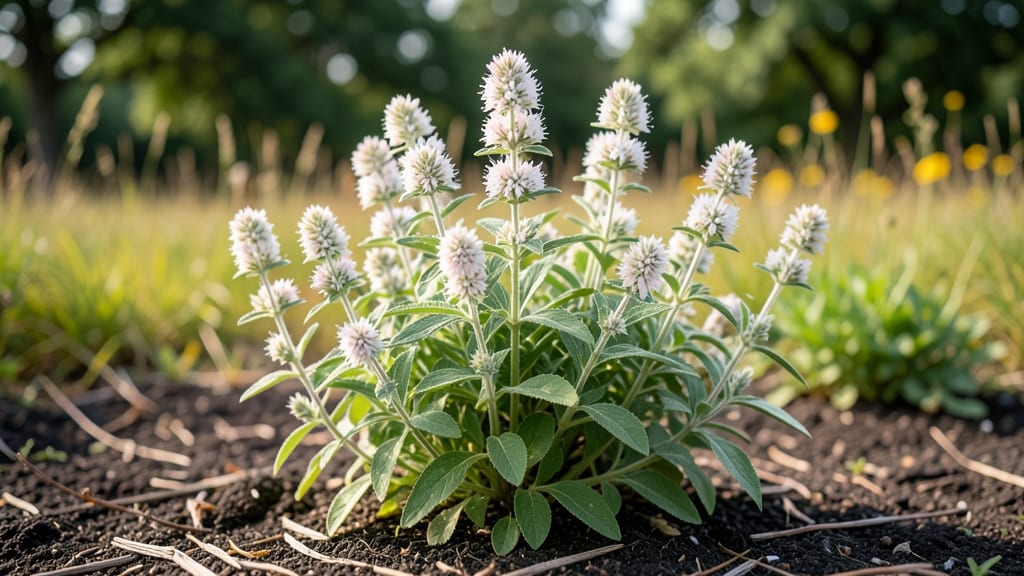
Wondering how tall does mountain mint grow in your garden? This hardy herb 🌿 can surprise you with its adaptability—sometimes staying compact at just 1 foot or stretching toward 3 feet under ideal conditions.
Mountain mint thrives as both a wildflower and a cultivated plant, making it a favorite for pollinator gardens and erosion control. Whether you're planting it for its aromatic leaves or its ability to attract bees, understanding its growth habits helps you plan your space.
In this guide, I’ll break down what influences its height—from soil moisture to sunlight exposure—and share practical tips to keep it at your desired size. Whether you want a low border plant or a taller pollinator magnet, you’ll learn how to control its growth effortlessly.
Let’s dive into the secrets behind mountain mint’s height, so you can grow it exactly how you envision—without the guesswork.

Natural height range of mountain mint in wild conditions
Mountain mint (Pycnanthemum spp.) thrives in its native habitats across eastern North America, where its height varies dramatically based on soil moisture, sunlight exposure, and climate conditions.
In dry, rocky regions like the Appalachians, expect plants to stay compact at 1–2 feet tall, forming dense mats perfect for erosion control.
Conversely, in moist, fertile meadows or along stream banks, mountain mint can reach 4–6 feet tall with lush, upright stems. This variation occurs because wetter soils allow deeper root systems and more robust growth, while drought conditions trigger a ground-hugging survival strategy.
Regional climate plays a surprising role too. Northern populations in USDA Zones 4–5 often stay shorter (2–3 feet) due to shorter growing seasons, while southern varieties in Zones 7–9 can exceed 5 feet when given ideal conditions.
Here’s how key environmental factors influence height:
| Factor | Low Impact | High Impact | Height Range |
|---|---|---|---|
| Soil Moisture | Dry, rocky | Moist, loamy | 1–2 ft → 4–6 ft |
| Sunlight | Partial shade | Full sun | 2–3 ft → 3–5 ft |
| Climate Zone | Zones 4–5 | Zones 7–9 | 2–3 ft → 4–6 ft |
| Competition | Open space | Competitive | 3–5 ft → 1–2 ft |
In wildflower meadows, mountain mint often grows taller when surrounded by grasses and wildflowers that provide structural support. Its spreading rhizomes can create colonies up to 6 feet wide, even if individual stems stay shorter.
For gardeners in arid climates, mimic the natural conditions of its native dry habitats by planting in well-draining soil with minimal supplemental water. This encourages the compact, bushy growth many homeowners prefer for borders.
Conversely, if you’re aiming for a taller, more dramatic look, amend clay-heavy soils with compost or sand and water deeply once weekly during dry spells. The result? Stems that reach 5–6 feet by midsummer.
One surprising height influencer is pollinator activity. Bees and butterflies visiting mountain mint for nectar can inadvertently trim flower clusters, which encourages the plant to produce longer, leafier stems—sometimes by 1–2 feet compared to isolated plants.
When planning your garden layout, account for this variability. A 3-foot-tall mountain mint hedge in one section might sprawl to 5 feet just 20 feet away if soil conditions differ. Always test a small patch first to gauge your local growth patterns.
For pollinator gardens, taller varieties (like Pycnanthemum muticum) create a stunning vertical element, while shorter types (P. tenuifolium) work beautifully as ground covers or slope stabilizers. The key is matching your site conditions to your height goals.
Natural height range of mountain mint in wild conditions
Mountain mint (Pycnanthemum spp.) thrives in the wild with height variations based on its environment. In dry, rocky regions, it typically stays between 1 to 2 feet tall, forming dense mats.
Meanwhile, in moist, fertile soils like those found in meadows or near streams, it can reach 4 to 6 feet with robust vertical growth.
Climate plays a huge role—cooler, northern climates often see shorter, bushier plants, while warmer, southern regions encourage taller, more upright growth. Sunlight exposure also matters: full sun tends to produce taller stems, while partial shade keeps it compact.
Regional differences are striking. In the Appalachian Mountains, mountain mint often maxes out at 3 feet, while in the Southeastern U.S., it can stretch toward 5 feet under ideal conditions. These variations help explain why wild populations look so different from garden cultivars.
| Environment | Height Range | Growth Habit |
|---|---|---|
| Dry, Rocky Soil | 1–2 ft | Low, spreading |
| Moist Meadows | 4–6 ft | Tall, upright |
| Partial Shade | 2–3 ft | Bushy, compact |
| Full Sun | 3–5 ft | Tall, leggy |
In wildflower meadows, mountain mint often grows aggressively due to minimal competition. Its spreading rhizomes can create dense colonies, but height remains manageable unless in ideal conditions. Pollinators love it, which may encourage taller growth as bees and butterflies stimulate flowering.
Understanding these natural patterns helps gardeners replicate—or control—mountain mint’s height in cultivated settings. For example, if you want a neat border plant, partial shade and well-draining soil will keep it 2–3 feet tall.
But if you’re aiming for a wild, natural look, full sun and rich soil will push it toward its maximum height.
Soil moisture is the biggest height influencer. In drought-prone areas, mountain mint stays short and sturdy, while consistent watering in gardens can lead to taller, more delicate stems. Always consider your local climate when planning where to plant it!