
How To
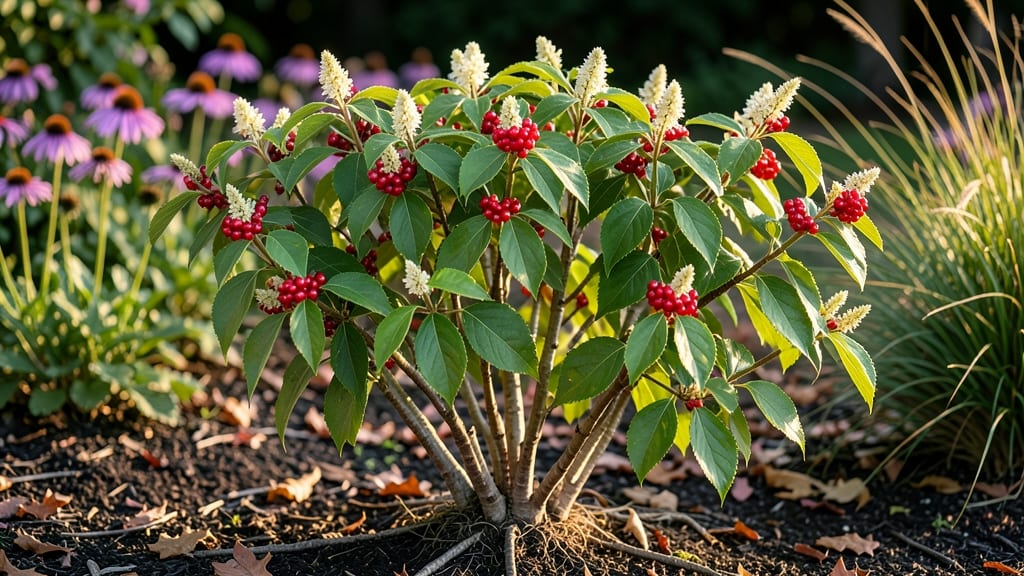
If you're wondering how tall does Nandina domestica grow, the answer might surprise you—this elegant 🌿 shrub can range from a compact 1-foot dwarf to a towering 6-foot standard, depending on the cultivar and growing conditions.
What makes Nandina domestica so versatile is its adaptability—whether you're designing a cozy cottage garden or a bold landscape statement, there's a variety that fits your space. The key to maximizing its height (or keeping it contained) lies in understanding its growth habits and care needs.
From the delicate 'Moonshadow' cultivar that stays under 2 feet to the striking 'Fire Power' reaching 5-6 feet, each type has its own personality. I'll break down exactly how to choose the right size for your garden and what to expect as it matures.
Ready to transform your outdoor space? Let's explore how sunlight, soil, and pruning can shape your Nandina domestica into the perfect focal point—whether you want it tall, medium, or just right.

Exact mature heights of Nandina domestica by cultivar: from dwarf to tall varieties
When planning your garden, Nandina domestica—or heavenly bamboo—offers a stunning range of heights depending on the cultivar. Some varieties stay compact enough for containers, while others reach small tree proportions.
The standard Nandina domestica typically matures between 3 to 6 feet tall, but dwarf varieties like 'Compacta' rarely exceed 2 feet. Understanding these differences helps you choose the perfect fit for your space.
For example, the 'Fire Power' cultivar grows 4 to 5 feet tall, making it ideal for mid-height garden borders. Meanwhile, 'Gulf Stream' stays shorter at 2 to 3 feet, perfect for foundation plantings or as a low hedge.
Even within the same species, height variations can be dramatic, so selecting the right cultivar is key to achieving your design goals.
Here’s a quick look at how Nandina domestica cultivars compare in height, growth rate, and ideal spacing:
| Cultivar | Mature Height | Growth Rate | Ideal Spacing |
|---|---|---|---|
| 'Compacta' | 1–2 ft | Slow | 12–18 in apart |
| 'Gulf Stream' | 2–3 ft | Moderate | 2–3 ft apart |
| 'Fire Power' | 4–5 ft | Fast | 4–5 ft apart |
| 'Obsidian' | 3–4 ft | Moderate | 3 ft apart |
| 'Plum Passion' | 3–5 ft | Fast | 4–5 ft apart |
| 'Standard' (Wild Type) | 5–6 ft | Moderate | 5–6 ft apart |
If you’re working with limited space, dwarf cultivars like 'Compacta' are excellent choices for containers or small gardens. These varieties thrive in 10- to 12-inch pots and can be placed on patios or balconies.
Meanwhile, taller cultivars like 'Fire Power' or 'Plum Passion' add dramatic vertical interest to landscape backdrops or mixed borders.
One common mistake gardeners make is assuming all Nandina domestica plants grow the same height. For instance, the wild-type Nandina domestica can reach 6 feet tall, while its dwarf counterparts stay under 2 feet. Always check the cultivar name before purchasing to avoid surprises in your garden layout.
For optimal spacing, follow the guidelines in the table above. Planting too closely can lead to overcrowding, which stunts growth and increases disease risk. Conversely, spacing too far apart may leave gaps that detract from your garden’s cohesion.
Aim for 3 to 5 feet between standard varieties to allow airflow and sunlight penetration.
Another pro tip: Prune in late winter or early spring to control height and shape. This is especially useful for taller cultivars like 'Fire Power,' where you can cut back by 1/3 to encourage bushier growth.
Just avoid heavy pruning in fall, as it can stress the plant before winter dormancy.
If you’re unsure which cultivar to choose, consider your garden’s light conditions. Most Nandina domestica varieties tolerate partial shade to full sun, but taller cultivars like 'Standard' may need more sunlight to reach their full height potential.
In shadier spots, dwarf varieties like 'Compacta' will still thrive but may grow slightly slower.
Finally, remember that height isn’t the only factor—foliage color, berry production, and seasonal interest also vary by cultivar. For example, 'Obsidian' boasts deep purple-black leaves, while 'Plum Passion' features striking pinkish-red berries. Pairing height with these visual traits ensures your garden stays vibrant year-round.
How growth conditions affect Nandina domestica height: sunlight, soil, and pruning tips
Understanding how growth conditions influence your Nandina domestica height is key to shaping its final size. Unlike many shrubs, heavenly bamboo adapts dramatically to sunlight, soil quality, and pruning habits—meaning you can control its growth with the right techniques.
For example, full sun exposure (6+ hours/day) can push some cultivars like ‘Fire Power’ to reach 6 feet tall faster, while partial shade (4-6 hours) keeps varieties like ‘Gulf Stream’ compact at 3-4 feet. The difference? Sunlight accelerates growth by up to 30% in ideal climates.
✅ DO This to Influence Height
- Prune in late winter: Cut back 1/3 of old stems to encourage bushier, shorter growth.
- Use well-draining soil: Sandy loam prevents root-bound stress, which stunts height.
- Mulch annually: Retains moisture and nutrients, promoting consistent growth without sudden spikes.
❌ AVOID These Mistakes
- Over-pruning: Trimming more than 1/3 in one go stresses the plant, slowing height gains.
- Poor drainage: Waterlogged soil causes root rot, which stunts growth entirely.
- Ignoring pests: Scale insects or spider mites weaken stems, reducing mature height by 20-40%.
Soil pH also plays a hidden role—acidic soil (pH 5.0-6.0) encourages taller, lush growth, while alkaline soil (pH 7.0+) can limit height by 1-2 feet. Test your soil before planting to avoid surprises!
In hot climates (Zones 8-10), Nandina domestica often grows shorter due to heat stress, while cooler zones (5-7) see taller, more vigorous plants. If you’re in a warm area, prune in summer to reduce stress and maintain compactness.
Pro tip: Container-grown Nandina stays 20-30% shorter than in-ground plants because roots compete for space. Use large pots (18"+ diameter) if you want taller specimens—just ensure drainage holes are present to avoid root rot.
By tweaking these factors, you can customize your Nandina’s height—whether you need a privacy screen (6 ft) or a border plant (2 ft). The secret? Monitor, adjust, and repeat based on seasonal changes.