
How To
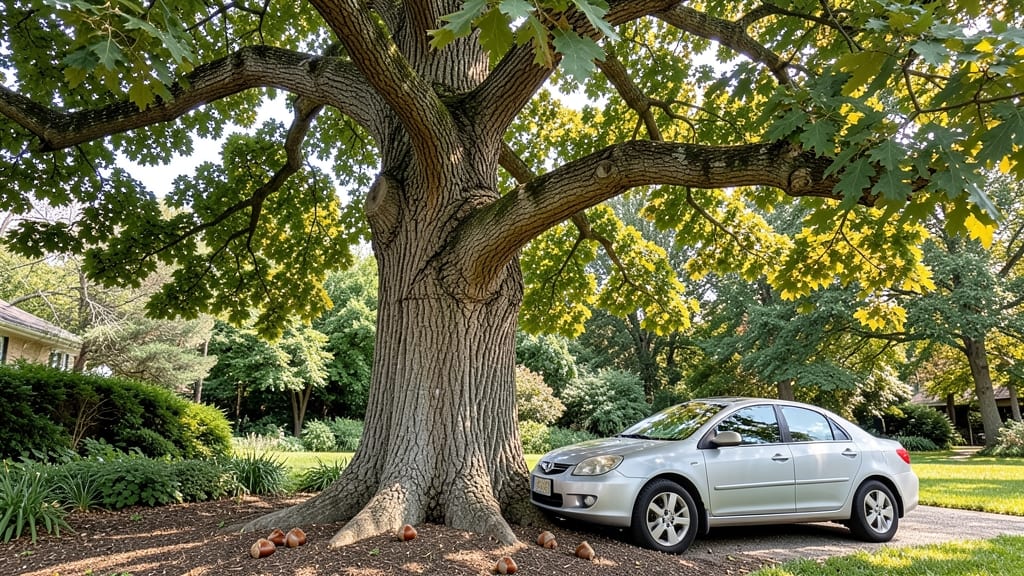
If you’ve ever wondered how tall an oak tree can grow, you might be surprised by how much its future height depends on the species—and your local growing conditions.
Some oaks stretch toward the sky like skyscrapers, while others stay compact, making the difference between a shade canopy and a modest accent. The answer to "how tall does oak tree grow" isn’t one-size-fits-all, but knowing the right species and care tips can help you choose wisely.
Picture this: a red oak reaching 75 feet in your backyard, its branches creating a living umbrella, while a bur oak stays closer to 50 feet. The gap between these giants comes down to genetics, soil quality, and even how much sunlight your tree gets.
Whether you’re working with USDA Zone 6 soil or a container in your front yard, the right conditions can make all the difference in how tall your oak grows over time.
Here’s the good news: even if you’re not a master gardener, a few simple adjustments—like proper planting in fall or early spring and deep watering—can help your oak hit its full potential.
I’ll break down the exact heights by species and share the secrets to nurturing a tree that’ll stand the test of time. Ready to plan your future shade?
Let’s dive into the numbers and care tips so you can pick the perfect oak for your space—whether you want a 60-foot giant or a smaller statement maker. Your backyard’s skyline starts here.

Average oak tree heights by species: from dwarfs to giants
Oak trees are nature's skyscrapers, with some species reaching heights that dwarf even the tallest buildings. The white oak and red oak are classic giants, while others like the pin oak or bur oak offer more compact options.
Your choice of oak species will determine whether your tree becomes a backyard giant or a manageable shade provider.
Most oak trees take decades to reach their full height, but understanding their mature dimensions helps you plan spacing and avoid future pruning headaches. For example, a white oak can grow 75-100 feet tall, while a dwarf chinquapin oak stays under 20 feet.
Let's compare the most popular varieties so you can pick the perfect fit for your landscape.
🌳 Visual Comparison: Imagine a 100-foot oak towering over your home like a natural skyscraper, while a 25-foot bur oak fits neatly in a medium-sized yard. The right choice depends on your space and vision.
Notice how the swamp white oak rivals the white oak in height but thrives in wetter conditions? This variety is perfect if your yard has poor drainage.
Meanwhile, the chinquapin oak offers all the beauty of an oak without the space requirements, making it ideal for urban gardens or small backyards.
For those with limited space, consider the bur oak or
What determines oak tree height: soil, climate, and care factors
Oak trees reach their full height potential based on a mix of natural conditions and careful maintenance.
The soil quality plays a critical role—well-draining, slightly acidic soil (pH 5.0-7.0) encourages faster vertical growth, while compacted or alkaline soil can stunt a tree's height. Climate factors like temperature and rainfall also matter: oaks in warm, humid regions often grow taller than those in cold, dry climates.
Sunlight exposure is another key determinant. Most oak species thrive with 6+ hours of direct sunlight daily, which fuels rapid growth.
In shady conditions, oaks may grow shorter and develop weaker branches. Water availability also influences height—young trees need consistent moisture, while mature oaks become drought-tolerant but may grow more slowly in dry conditions.
Pruning techniques can subtly shape an oak's height. Selective pruning of lower branches encourages upward growth, while aggressive pruning can reduce a tree's overall height.
However, avoid heavy pruning on young oaks, as it stresses the tree and slows vertical growth. Fertilization also plays a role—balanced fertilizers (like 10-10-10) applied in early spring can boost growth, but over-fertilizing can lead to weak, leggy trees.
| Factor | Optimal Condition | Effect on Height |
|---|---|---|
| Soil Type | Well-draining, slightly acidic | Faster growth (60-100 ft) |
| Sunlight | 6+ hours daily | Maximizes vertical growth |
| Water | Deep, infrequent soaking | Supports steady growth |
| Pruning | Selective, minimal | Encourages upward growth |
| Climate | Warm, humid | Faster height increase |
Even with ideal conditions, oak trees grow at different rates. Fast-growing species like pin oaks can add 2 feet per year in perfect conditions, while slower varieties like white oaks may only gain 1 foot annually. Age also matters: most oaks grow fastest in their first 20 years, then slow as they mature.
For example, a white oak might reach 30 feet by age 20 but take 50+ years to reach its full 80-foot height.
If you're planting an oak in a small yard, consider root-pruning or container-grown dwarf varieties (though true dwarf oaks are rare). For maximum height, focus on well-draining soil, full sun, and minimal interference with root growth.
With the right conditions, even a modestly sized backyard can eventually host a towering oak—just be patient! 🌳