
How To
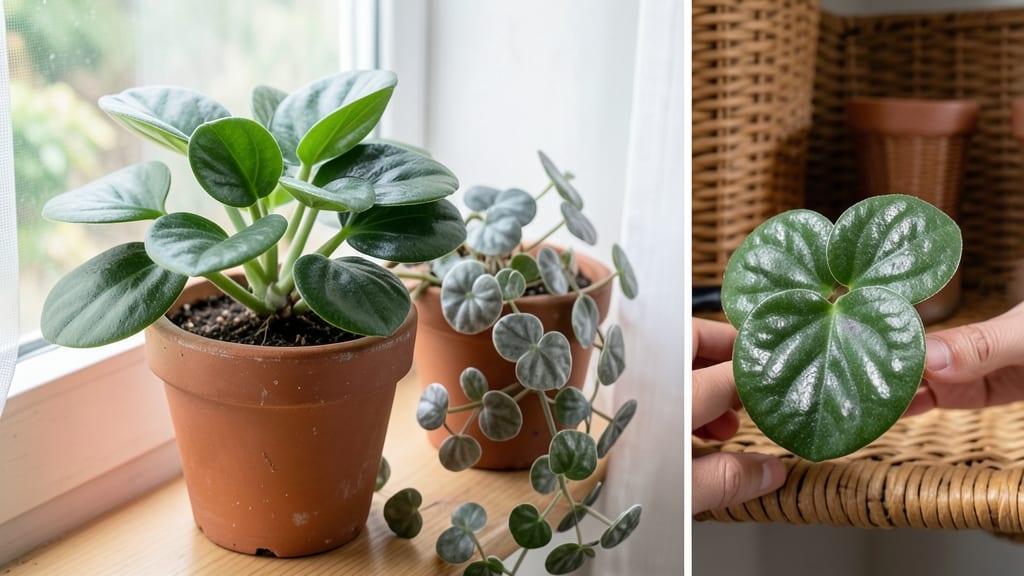
If you're wondering "how tall does peperomia grow", you're in the right place—because these plants offer something for every space, from tiny windowsills to mid-height shelves.
The beauty of peperomia 🌿 lies in their versatility: some stay as small as 4 inches, perfect for desk companions, while others stretch toward 2 feet, adding height to your decor. But size isn’t just about genetics—light, pruning, and pot choice play huge roles in shaping their growth.
Whether you're a beginner or a seasoned plant parent, knowing these growth habits helps you choose the right variety for your home. Let’s break down the heights of popular peperomia types and how to keep them thriving at your desired size.
From trailing varieties that cascade like living curtains to bushy types that fill shelves, we’ll cover everything you need to manage their growth—so you can enjoy their lush foliage without surprises.

Peperomia height guide: mature sizes by variety (from tiny to towering)
Peperomia plants are famous for their compact sizes and versatile growth habits, but their mature heights can vary dramatically. Some stay tiny enough for terrariums, while others grow tall enough for shelves or hanging displays.
Understanding these differences helps you choose the perfect variety for your space and styling needs.
If you're wondering, "How tall does peperomia grow?" the answer depends entirely on the specific variety. For example, Peperomia prostrata (String of Turtles) typically trails just 6-12 inches, while Peperomia obtusifolia (Baby Rubber Plant) can reach 24 inches or more.
Let's explore the full range of mature heights across popular peperomia species.
When selecting a peperomia, consider your space and how you plan to display it. Trailing varieties like Peperomia prostrata and Peperomia argyreia thrive in hanging baskets, while upright types such as Peperomia obtusifolia look stunning on shelves or window sills.
Even within the same species, height can vary based on growing conditions like light exposure and pot size.
For small spaces, dwarf varieties like Peperomia clavijoya or Peperomia rotundifolia are ideal. These stay under 8 inches, making them perfect for desks or terrariums. If you have more room, taller varieties like Peperomia polybotrya can become stunning focal points in your indoor garden.
One common misconception is that all peperomias stay small. While most are compact, some varieties like Peperomia polybotrya or Peper
How growth habits affect Peperomia height: what determines their size?
Peperomia height isn’t just about genetics—it’s a mix of light exposure, pot size, and even how you prune your plant. Unlike finicky tropicals, peperomias adapt well, but pushing their limits can lead to leggy growth or stunted foliage.
Understanding these factors helps you control their size, whether you want a miniature desk plant or a taller statement piece.
Light is the #1 growth regulator. Too little bright indirect light stretches stems, while too much direct sun can scorch leaves. Place your peperomia near an east-facing window for ideal growth—this balances height and bushiness without risking sunburn.
Rotate the pot every few weeks to ensure even exposure and prevent lopsided growth.
Pot size matters more than you’d think. A root-bound peperomia grows taller as it searches for nutrients, while a slightly larger pot encourages wider, fuller growth.
Use containers just 1–2 inches wider than the root ball. For dwarf varieties like Peperomia caperata, opt for shallow, wide pots to keep them compact.
- 💡 Light Exposure: Low light = taller, leggy stems; bright indirect = compact, bushy growth
- 🪴 Pot Size: Small pots = slower vertical growth; larger pots = wider, fuller plants
- ✂️ Pruning: Pinch back leggy stems to encourage branching; trim regularly to control height
- 🌡️ Temperature: Consistent 65–75°F promotes steady growth; drafts can stunt development
- 💧 Watering: Overwatering = root stress = slower growth; underwatering = stunted foliage
Pruning is your secret weapon for managing height. For trailing varieties like Peperomia prostrata, trim stems to 3–4 inches to encourage bushier growth. For upright types like Peperomia obtusifolia, snip the top set of leaves to halt vertical growth and prompt side shoots.
Always use sterilized scissors and prune just above a leaf node for best results.
Genetics play a role too—some peperomias are naturally dwarf varieties (like Peperomia argyreia, which maxes out at 6 inches), while others (like Peperomia griseoargentea) can reach 2 feet with ideal care. If you’re growing from cuttings, the parent plant’s size often predicts the offspring’s potential height.
To keep peperomias small in tight spaces, combine these tricks: use smaller pots, provide moderate light, and prune regularly. For larger varieties, give them bright indirect light, a slightly bigger container, and occasional fertilizing (like a balanced 10-10-10 mix every 6–8 weeks) to fuel their growth.
Experiment with these factors to find your peperomia’s sweet spot—whether you’re aiming for a tiny terrarium plant or a floor-standing foliage statement. The key is patience and observation; your plant will tell you what it needs through its growth habits. 🌿