
How To
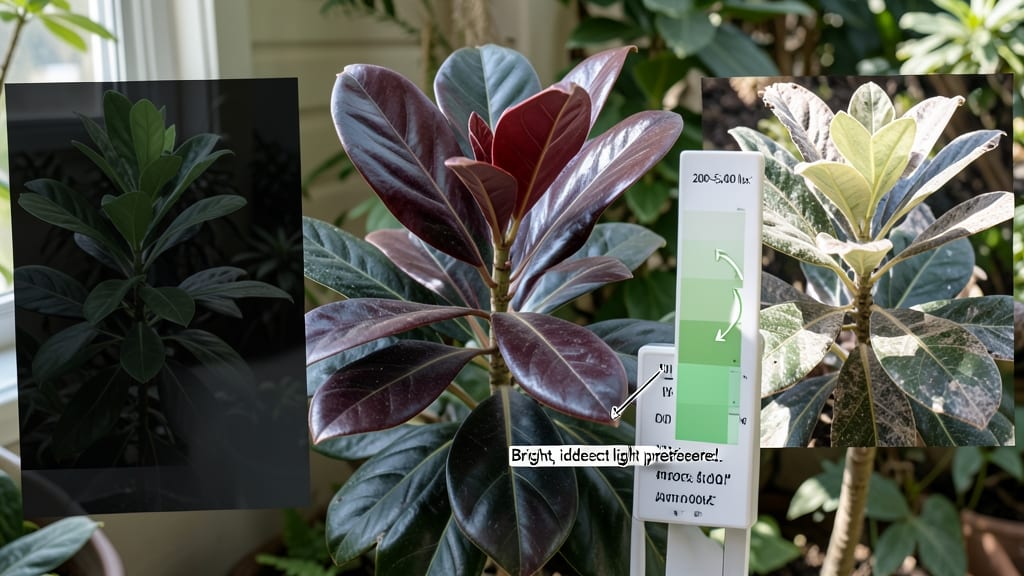
Rubber plant light requirements: the ideal brightness spectrum for healthy growth
Rubber plants (Ficus elastica) are famously adaptable, but their light needs determine whether they grow lush or leggy. The key is bright, indirect light—think dappled sunlight through sheer curtains.
Too little light causes stretched stems and pale leaves, while too much direct sun can scorch their glossy foliage. Let’s break down the perfect light spectrum for your plant’s health.
Most rubber plants thrive with 1,000–2,000 foot-candles of light, which is roughly the brightness of a well-lit office. This falls under the medium to bright indirect category. For reference, a north-facing window typically provides 500–1,000 foot-candles, while a south-facing window can exceed 3,000 foot-candles—dangerously intense for rubber plants.
Understanding these numbers helps you position your plant just right.
Visual cues are your best friends when gauging light. Healthy rubber plants develop deep green, glossy leaves with a slight sheen. If the leaves turn yellow or brown, it’s often a sign of too much direct sun.
Conversely, if the leaves grow pale or small, your plant isn’t getting enough light. These visual signals help you adjust placement before problems worsen.
Seasonal changes also affect light exposure. In summer months, when sunlight is strongest, rubber plants may need to be moved further from windows or behind a sheer curtain.
During winter, when natural light is scarce, supplementing with a grow light can prevent leggy growth and keep your plant thriving.
Now, let’s dive into the specifics with this handy light requirement summary to help you diagnose and adjust your rubber plant’s environment effortlessly.
| Light Level | Foot-Candles | Leaf Color | Growth Pattern | Ideal Fix |
|---|---|---|---|---|
| Low Light | <500 | Pale green | Leggy, sparse | Move closer to window or add grow light |
| Medium Light | 1,000–2,000 | Deep green, glossy | Compact, healthy | Perfect! No changes needed |
| High Light | >3,000 | Brown/yellow patches | Slow growth, crispy edges | Move to indirect light or use sheer curtain |
Understanding these light thresholds helps you create the perfect environment for your rubber plant.
For example, if your plant is showing signs of low light stress, such as elongated stems or small leaves, relocating it to a brighter spot or supplementing with a LED grow light can revive its growth.
Conversely, if you notice leaf burn or dry edges, it’s time to move it away from harsh sunlight.
Another pro tip: Rotate your rubber plant quarter-turns every few weeks. This ensures even light exposure and prevents the plant from leaning toward one side. Uneven light can cause lopsided growth, where one side becomes darker or more stretched than the other.
A simple rotation keeps your plant balanced and encourages uniform foliage development.
If you’re unsure whether your space meets the ideal light conditions, consider using a light meter or even a smartphone app to measure foot-candles. Most modern phones have light measurement tools in their camera settings.
This data-driven approach ensures you’re providing the exact brightness spectrum your rubber plant craves for optimal health.
Finally, remember that rubber plants are flexible but not invincible. While they can tolerate low-light conditions, their growth will be slower, and they may become more susceptible to pests.
By mastering the ideal light spectrum—1,000–2,000 foot-candles of bright, indirect light—you’ll set your rubber plant up for success, rewarding you with bold, glossy leaves and robust growth.
Rubber plant light requirements: the ideal brightness spectrum for healthy growth
Rubber plants (Ficus elastica) thrive in bright, indirect light, but they’re famously adaptable—even surviving in low-light conditions.
The key is understanding their light spectrum needs to avoid common pitfalls like leggy stems or sunburned leaves. Direct sunlight can scorch their glossy foliage, while too little light slows growth and dulls their vibrant colors. Let’s break down the ideal light intensity and how to spot imbalances.
Think of your rubber plant’s light needs like a spectrum scale: low light (20-30%) for survival, medium light (40-60%) for steady growth, and high light (70%+) only with filtered exposure.
Most homes fall into the medium-light range, especially near north- or east-facing windows. South-facing windows? Use sheer curtains to diffuse harsh rays.
| Light Level | Intensity | Growth Impact |
|---|---|---|
| Low Light (20-30%) | Dim corners, north windows | Survives but grows slowly; leaves pale and small. |
| Medium Light (40-60%) | East/west windows, 2-3 ft from north window | Ideal growth: glossy leaves, compact stems, vibrant colors. |
| High Light (70%+) | South windows (filtered), grow lights | Risk of burnt edges; needs sheer curtains or rotated weekly. |
Notice how medium light delivers the best results? That’s because rubber plants naturally grow under the dappled shade of tropical forests.
In my own home, I placed mine 3 feet from an east-facing window, and within months, the leaves went from dull green to their signature deep, waxy sheen. Pro tip: Rotate your plant quarter-turns every 2 weeks to ensure even light exposure on all sides.
Seasonal shifts matter too. During winter’s shorter days, supplement with a LED grow light (12 hours/day) to mimic natural sunlight. I use a 10W clip-on bulb near my plant, and it’s made all the difference in maintaining its vigor.
Even in low light, rubber plants won’t die—they’ll just stretch toward light, a classic sign they’re craving more brightness.
Watch for these visual cues to dial in the perfect light: Dark green, thick leaves = happy plant. Yellowing or crispy edges = too much sun. Long, sparse stems = not enough light.
Adjust gradually—sudden changes stress your plant. For example, if moving from a dim corner to a sunny spot, acclimate over 2 weeks by increasing exposure slowly.
Remember, rubber plants are low-maintenance survivors, but they reward attention to light with lush, dramatic foliage. Start with a north-facing window or bright indirect spot, then tweak based on their responses.
Your plant will thank you with bold, glossy leaves that turn every room into a mini tropical oasis. 🌿