
How To
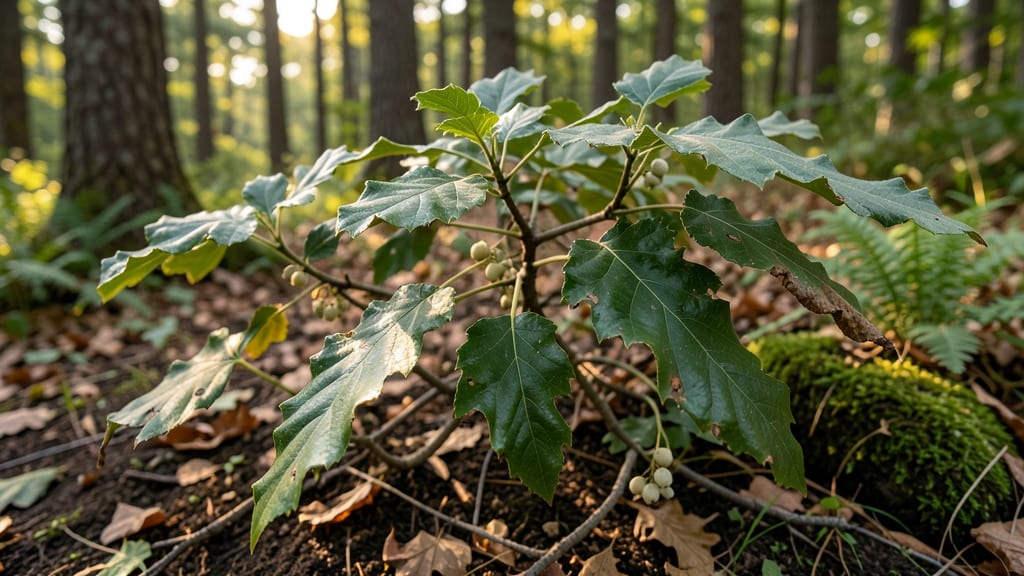
If you've ever wondered how tall does poison oak grow in your backyard or along hiking trails, the answer might surprise you. This sneaky 🌿 plant can stretch from a low-lying ground cover to towering shrubs, depending on where it's growing and how much space it has to spread.
Native to Eastern and Central U.S., West Coast, and parts of Canada/Mexico, poison oak thrives in diverse conditions, which directly impacts its height. In open fields, it might stay under 3 feet, but when climbing trees or along fences, it can reach 30 feet or more.
That’s right—this plant can grow taller than a two-story building!
Understanding its growth habits is the key to avoiding it or managing it safely. Whether it's creeping along the forest floor or climbing vertical surfaces, knowing what to look for helps you stay ahead. Let’s break down how tall poison oak can get and what influences its size.
From shrub-like forms in dry climates to aggressive vines in moist areas, poison oak’s height varies widely. The good news? Recognizing its growth patterns early can prevent unwanted encounters. Ready to learn how to spot it before it becomes a problem?

Poison oak height ranges: how tall it grows in different environments
Poison oak (Toxicodendron spp.) isn't just one plant—it's a trio of species with wildly different growth habits. Western poison oak (T. diversilobum) often grows as a vine, climbing trees to heights of 15-30 feet in ideal conditions.
Meanwhile, Eastern poison oak (T. radicans) and Atlantic poison oak (T. pubescens) typically grow as shrubs, reaching 3-12 feet tall when left unchecked.
The mature height of poison oak depends entirely on its environment. In sunny, open areas, it grows taller and bushier, while shady, wooded regions keep it low to the ground as a creeping vine. This adaptability makes it a sneaky invader in gardens, yards, and natural landscapes alike.
Here’s how poison oak’s height varies by species and location:
| Species | Growth Form | Height Range | Common Locations |
|---|---|---|---|
| Western Poison Oak (T. diversilobum) | Vine or Shrub | 15–30 ft (vines), 3–8 ft (shrubs) | Pacific Coast (CA, OR, WA) |
| Eastern Poison Oak (T. radicans) | Vine or Shrub | 3–12 ft (shrubs), 10–20 ft (vines) | Eastern & Central U.S. |
| Atlantic Poison Oak (T. pubescens) | Shrub | 3–8 ft | Southeastern U.S. |
Note: Heights can double in ideal conditions with abundant sunlight and moisture.
In urban settings, poison oak often stays shorter—3-6 feet—because of competition with lawns, sidewalks, and other plants.
But if left unmanaged, it can spread aggressively, smothering gardens and forming dense thickets. Young plants start small (1-3 feet in their first year) but can grow 3-5 feet annually if conditions are right.
Sunlight is the biggest factor in height. Full sun encourages rapid, vertical growth, while partial shade keeps it low and sprawling. For example, a vine in a sunny clearing might climb a tree to 20 feet, while the same vine in a shady forest understory stays under 5 feet. This variability is why poison oak is so hard to predict—and why it’s crucial to monitor it closely.
Soil quality also plays a role. Rich, well-draining soil fuels faster growth, while poor or rocky soil stunts its height. In dry climates, poison oak may only reach 3-5 feet, but in humid, fertile regions, it can tower over 10 feet within a few years.
Understanding these patterns helps you spot it early before it becomes a towering problem.
If you’re dealing with poison oak in your yard, height isn’t the only concern—its spread is just as critical. A single vine can produce hundreds of new shoots from its roots, creating a 30-foot-wide patch in just a few years.
That’s why knowing its growth habits is your first line of defense against an itchy takeover. 🌿
Poison oak height ranges: how tall it grows in different environments
Poison oak (Toxicodendron spp.) can transform from a low-lying ground cover to a towering shrub, depending on its environment. In open sunny areas, it often grows as a 3-10 foot shrub, while in shadier, forested settings, it may stay closer to 1-3 feet as a vine.
The Western poison oak (T. diversilobum) tends to reach taller heights (up to 30 feet) when climbing trees, whereas Eastern poison oak (T. radicans) typically maxes out around 12 feet in ideal conditions.
Understanding these variations helps with early identification and control efforts. For example, a 3-foot vine creeping along a trail is far less alarming than a 15-foot shrub blocking your yard entrance. The key lies in light exposure, soil moisture, and regional climate—all of which dramatically alter growth patterns.
In dry, rocky soils, poison oak may stay stunted, while rich, moist environments fuel rapid vertical growth.
| Growth Form | Height Range | Typical Habitat | Regional Example |
|---|---|---|---|
| Low-lying vine | 1–3 feet | Shady forests, wooded slopes | Appalachian woodlands |
| Shrub form | 3–10 feet | Sunny clearings, edges of trails | Pacific Northwest forests |
| Climbing vine | 10–30 feet | Moist, fertile soils near trees | California coastal regions |
| Ground cover | Less than 1 foot | Dry, rocky outcrops | Arizona desert edges |
In urban or suburban settings, poison oak often adopts a shrub-like form due to limited competition and regular watering from lawn sprinklers. I’ve seen it reach 8 feet tall in just 3 years in a backyard with rich soil and partial shade.
Conversely, in wildfire-prone areas, it may stay low to the ground to avoid damage, rarely exceeding 2 feet in height.
Leaf arrangement also hints at height potential. Three-leaf clusters on a low vine suggest a ground-hugging habit, while larger, glossier leaves on a taller stem indicate a shrub form. Pay attention to these clues—early detection is your best defense against an itchy surprise. Always assume the worst when in doubt, as even small patches can spread aggressively if left unchecked.
If you’re dealing with poison oak in your landscape, its height can influence removal strategies. A 3-foot vine is easier to dig out than a 15-foot shrub, which may require professional help and protective gear.
Understanding these growth patterns helps you plan ahead—whether you’re clearing an infestation or simply avoiding it on hikes.
Remember, poison oak’s height isn’t fixed—it adapts to its surroundings. A sunny, moist yard could turn a 3-foot plant into a 10-foot monster in just a few seasons. Stay vigilant, and don’t let it catch you off guard! 🌿