
Trees
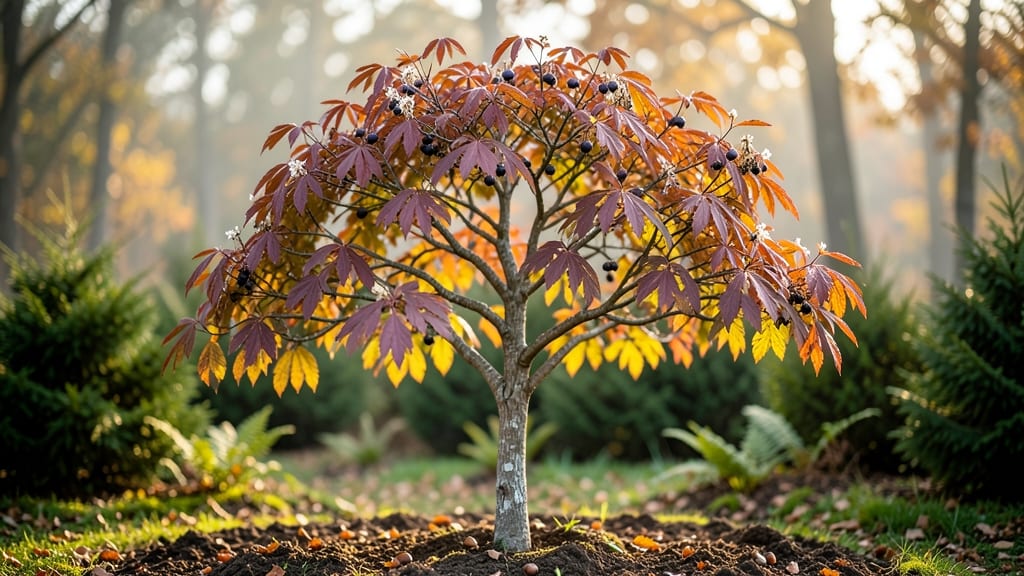
Wondering how tall do serviceberry trees grow before they outgrow your yard? These stunning native trees—with their delicate spring blooms and edible berries—typically reach a mature height of 15 to 30 feet, but their size depends on the specific cultivar and growing conditions.
The 🌳 Serviceberry Tree is a versatile choice for home gardens, offering both beauty and practicality. Whether you're planting in USDA Zone 6a or another suitable climate, understanding their growth habits helps you plan spacing and maintenance from day one.
Some varieties, like the compact 'Shademaster,' stay closer to 10 to 15 feet, while others, such as 'Regent,' can tower toward 25 feet. With the right pruning and care, you can even influence their height to fit your landscape perfectly.
Ready to learn how sunlight, soil, and pruning techniques can shape your serviceberry’s growth? Let’s break down everything you need to know to keep your tree healthy—and your yard looking its best.

Serviceberry tree height by cultivar: mature size expectations
When planning your landscape, knowing how tall serviceberry trees grow is key to choosing the right cultivar for your space. These native trees typically reach 15 to 30 feet at maturity, but their height varies significantly by species and cultivar.
Whether you have a small backyard or a spacious garden, there’s a serviceberry variety that will fit perfectly.
Serviceberries are prized for their multi-season interest, from delicate spring blooms to vibrant fall foliage and edible berries. Their manageable size makes them ideal for urban gardens, parks, and wildlife-friendly landscapes. Let’s explore the height ranges of popular cultivars so you can make an informed choice.
Serviceberry Cultivar Height Comparison
| Cultivar | Mature Height | Growth Rate | Best For |
|---|---|---|---|
| 'Shademaster' | 15-20 ft | Moderate (1-2 ft/year) | Urban gardens, small yards |
| 'Arrowhead' | 10-15 ft | Slow to moderate | Container planting, patios |
| 'Regent' | 20-25 ft | Fast (2-3 ft/year) | Large landscapes, wildlife habitats |
| 'Smoky' | 12-18 ft | Moderate | Small spaces, hedges |
| 'Allen' | 25-30 ft | Fast | Woodland edges, large properties |
The 'Arrowhead' cultivar is one of the shortest, making it perfect for container planting or small yards where space is limited. Its compact size—10 to 15 feet—allows it to thrive in urban environments without overwhelming the landscape.
If you’re looking for a low-maintenance option with minimal pruning needs, this cultivar is an excellent choice.
For those with more space, the 'Regent' and 'Allen' cultivars reach heights of 20 to 30 feet, making them ideal for large gardens or woodland settings. These taller varieties offer dramatic seasonal interest and provide excellent wildlife habitat.
If you’re planting near a two-story house, these cultivars will complement the architecture beautifully while adding year-round interest.
When selecting a serviceberry, consider not only height but also the spread of the tree. Most cultivars have a similar spread to their height, so plan for a 15- to 20-foot diameter at maturity.
This ensures your tree has enough room to grow without competing with other plants or structures in your yard.
If you’re unsure which cultivar to choose, start with the 'Shademaster', which strikes a balance between size and adaptability. It grows to 15 to 20 feet and is well-suited for medium-sized yards.
Its moderate growth rate means you won’t need to worry about rapid expansion, and its adaptability to various soil types makes it a reliable choice for many climates.
Another factor to consider is the growth rate of your chosen cultivar. Faster-growing varieties like 'Regent' or 'Allen' can add 2 to 3 feet per year in ideal conditions, while slower growers like 'Arrowhead' may only gain 1 foot annually.
Understanding these rates helps you plan for future pruning or space management.
No matter which cultivar you select, serviceberry trees are a versatile addition to any landscape. Their manageable height, combined with their ornamental value and ecological benefits, makes them a favorite among gardeners and wildlife enthusiasts alike.
For best results, plant your serviceberry in well-draining soil with full sun to partial shade. This ensures healthy growth and maximizes the tree’s potential height while maintaining its structural integrity. With proper care, your serviceberry will thrive for decades, providing beauty and utility to your outdoor space. 🌳
Factors that influence serviceberry tree height and growth habits
Understanding how your serviceberry tree grows isn’t just about its mature height—it’s about the conditions you provide. While most cultivars reach 15 to 30 feet, factors like soil quality, sunlight exposure, and pruning practices can shift that range significantly.
For example, a Shademaster serviceberry in full sun may grow taller than one planted in partial shade, where it might stay more compact.
Your local climate plays a huge role too. Serviceberries thrive in USDA Zones 3-8, but trees in cooler northern climates often grow more slowly, while those in warmer southern zones can reach their mature height faster.
Even the moisture level of your soil affects growth—well-draining, slightly acidic soil (pH 5.0-6.5) encourages healthier, faster growth compared to heavy clay or alkaline soils.
Another critical factor is watering consistency. Young serviceberry trees need deep, regular watering (about 5-10 gallons per week) during their first two years to establish strong roots. Once established, they’re drought-tolerant, but prolonged dry spells can stunt growth or reduce fruit production.
Mulching around the base with organic matter (like wood chips) helps retain moisture and improves soil health over time.
If you’re growing a dwarf cultivar like 'Regent' or 'Arrowhead,' expect slightly slower growth rates—these varieties typically stay under 15 feet even at maturity. However, neglecting pruning can lead to leggy growth, making the tree appear taller than necessary.
Regular structural pruning in early spring removes weak branches and opens the canopy, promoting a more balanced shape.
Don’t overlook the impact of nearby trees or structures. Serviceberries compete poorly with aggressive roots from nearby oaks or pines, which can limit their height and health. If planting near a fence or building, leave at least 10-15 feet of clearance to avoid future conflicts as the tree matures.
Even wildlife activity—like birds feasting on berries—can influence growth by redistributing nutrients.
For optimal results, monitor your tree’s growth annually and adjust care as needed. A serviceberry tree in ideal conditions (full sun, well-drained soil, and proper pruning) will reward you with vibrant blooms, edible fruit, and a manageable height that fits seamlessly into your landscape.
With the right approach, you can shape its growth to match your space perfectly. 🌿