
How To
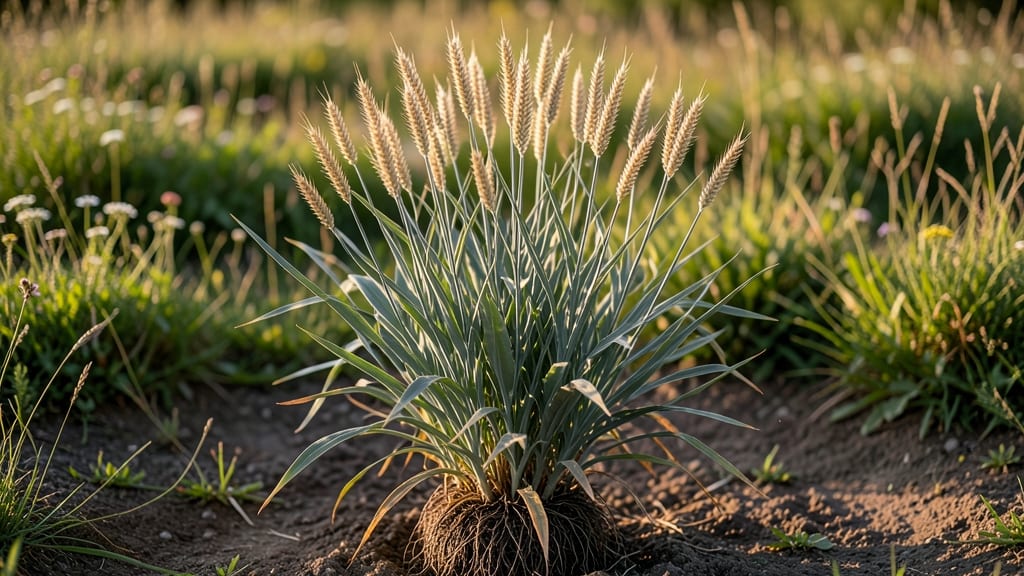
If you're planning to grow winter rye 🌾 in your garden, one of the first questions you'll ask is: just how tall does it get?
The answer might surprise you—this hardy grass can range from a modest 1 foot to a towering 3 feet, depending on the variety and growing conditions.
For gardeners in USDA Zone 6a, winter rye typically matures between 2 to 3 feet when planted in late summer, making it a great choice for cover crops or erosion control.
But don’t assume all rye reaches the same height—some dwarf varieties stay closer to the ground, while others stretch toward the sky.
What you’ll discover in this guide is how soil quality, sunlight, and even your local climate can dramatically influence your winter rye’s height. Whether you’re aiming for a low-profile ground cover or a tall, protective barrier, understanding these factors is key to managing your crop effectively.
Ready to learn how to control its growth—or let it flourish? We’ll break down everything you need to know, from spacing tips to when (and why) to prune. Let’s get growing!

Rye height by variety: from dwarf cover crops to giant winter cereals
Rye isn't a one-size-fits-all plant when it comes to height—it ranges from waist-high cover crops to 6-foot-tall winter cereals. The variety you choose determines whether your rye will stay neatly contained or dominate your garden space. Let's break down the height ranges for the most common types you'll encounter.
For gardeners using rye as a cover crop, varieties like Annual Ryegrass (Lolium multiflorum) typically stay between 1 to 3 feet tall. These shorter varieties are perfect for suppressing weeds, preventing erosion, and improving soil health without overpowering other plants in your landscape.
On the other end of the spectrum, Winter Rye (Secale cereale), often grown for grain, can reach 4 to 6 feet tall when fully mature.
This dramatic height makes it ideal for large-scale farming or as a wildlife habitat in rural settings, but it may not be practical for small home gardens unless you're planning for a dramatic winter landscape.
There's also Perennial Ryegrass (Lolium perenne), which usually stays between 1 to 2 feet tall. This variety is commonly used in lawns and pastures, offering a medium-height option that's versatile for various gardening needs.
| Variety | Height Range | Best For | Notes |
|---|---|---|---|
| Annual Ryegrass | 1–3 ft | Cover crops, erosion control | Fast-growing, great for fall planting |
| Winter Rye (Cereal) | 4–6 ft | Grain production, wildlife habitat | Tallest variety; needs space |
| Perennial Ryegrass | 1–2 ft | Lawns, pastures | Dense growth, drought-tolerant |
| Dwarf Ryegrass | 6–12 in | Container gardens, borders | Compact, ideal for small spaces |
If you're growing rye for grain production, the Winter Rye variety is your best bet, but be prepared for its impressive height. For small gardens or borders, consider Dwarf Ryegrass, which stays under a foot tall and adds texture without overwhelming your space.
For erosion control or soil improvement, Annual Ryegrass is a popular choice because its 1–3 foot height is manageable while still providing excellent ground cover. It also dies back in summer, making room for other plants.
When planning your garden layout, always check the mature height of the rye variety you're considering. A 6-foot-tall Winter Rye planted near a 1-foot-tall Dwarf Ryegrass will create a striking contrast, but it might not be practical if you're working with limited space.
Remember, these are general height ranges. Factors like soil fertility, sunlight, and water availability can push rye to grow taller or shorter than expected. We'll explore those influences in the next section.
For now, keep these height benchmarks in mind as you select the perfect rye variety for your gardening goals—whether you're aiming for a towering winter cereal or a neatly contained cover crop.
How growing conditions dramatically affect rye height
Rye’s height isn’t just about the variety—your local climate, soil fertility, and even watering habits can double or triple its growth potential.
In nutrient-rich soils with ample sunlight, winter rye can shoot up to 6 feet or taller, while drought or poor soil may stunt it to just 1-2 feet. Understanding these factors helps you predict—and control—how tall your rye will grow.
Sunlight is the biggest height accelerator. Rye thrives in full sun (6+ hours daily), but even partial shade can reduce growth by 30-50%.
In coastal regions with mild winters, rye may grow 1-2 feet taller than in colder inland zones where frost stunts early growth. Southern climates often see the tallest rye, while northern gardens may struggle to exceed 3 feet.
Soil fertility plays a critical role. Nitrogen-rich soils fuel rapid growth, but too much can cause lodging (falling over). In sandy or rocky soils, rye may only reach 1-1.5 feet unless amended with compost.
Meanwhile, clay-heavy soils can restrict root growth, capping height at 2-3 feet even with ideal sunlight.
Water availability is another wild card. While rye is drought-tolerant, consistent moisture during spring and fall can push heights toward the upper range. Overwatering, however, weakens stems and increases lodging risk.
In arid regions, rye may max out at 2 feet, while well-watered Midwestern pastures often see 4-5 foot stands by harvest.
Temperature swings also matter. Early warm spells in winter can spur rapid growth, while late spring frosts may stunt development. In USDA Zone 5, rye typically hits 3-4 feet, but in Zone 8, it can exceed 5 feet with ideal conditions.
Even a 2-week delay in frost can add 6-12 inches to mature height.
Here’s how these factors stack up in real-world scenarios:
| Factor | Low Impact | High Impact | Height Range |
|---|---|---|---|
| Sunlight | Partial shade (3-4 hrs) | Full sun (6+ hrs) | 1-2 ft → 4-6 ft |
| Soil Fertility | Poor/nutrient-deficient | Rich in nitrogen | 1-1.5 ft → 5-6 ft |
| Water | Drought conditions | Consistent moisture | 1.5-2 ft → 3-4 ft |
| Climate Zone | Cold (Zone 4) | Mild (Zone 8) | 2-3 ft → 5-6 ft |
Use these insights to plan your rye planting. If you’re aiming for tall biomass (e.g., wildlife habitat or erosion control), prioritize sun, fertility, and water. For low-maintenance cover crops, lean into drought-tolerant varieties in shadier spots.
The key? Monitor conditions early—adjusting soil or spacing can save you from an unruly 6-foot giant later!
🌾