
How To
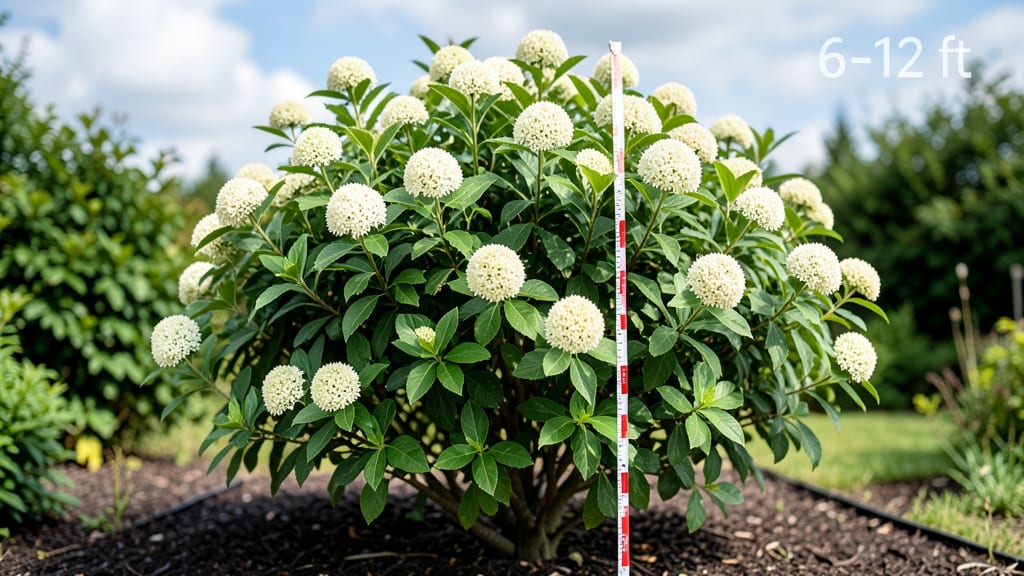
If you're wondering how tall does snowball viburnum grow, you're not alone—this classic 🌸 shrub can be a game-changer for your landscape, but only if you plan for its mature size.
The classic varieties like Viburnum opulus 'Roseum' can reach an impressive 6 to 12 feet, making them perfect for adding height and structure to gardens, while dwarf types stay more compact.
What makes snowball viburnum so appealing is its versatility—whether you're looking for a privacy screen, a focal point in your yard, or a low-maintenance shrub for borders. But here's the catch: without the right care, even dwarf varieties can outgrow their space if not pruned properly.
The good news? With a few simple pruning techniques, you can easily manage its height and shape to fit your garden vision.
In this guide, I’ll break down the height ranges of popular snowball viburnum varieties, so you can choose the perfect fit for your space.
You’ll also discover how to control its growth—whether you want a taller hedge or a more compact shrub—plus the best planting conditions to keep it thriving year after year.
Ready to transform your garden with this stunning, low-maintenance shrub? Let’s dive into everything you need to know to make snowball viburnum work for your landscape—no guesswork required.

Snowball viburnum mature height by popular varieties (with growth rates)
When planning your garden, knowing the mature height of snowball viburnum is essential—this deciduous shrub can range from 6 to 12 feet, depending on the variety and growing conditions.
The classic Viburnum opulus 'Roseum' (common snowball bush) typically reaches 8 to 10 feet at maturity, while some dwarf varieties stay under 6 feet. Understanding these differences helps you choose the right plant for your space, whether it’s a foundation planting or a privacy hedge.
Growth rates vary by variety and climate. Most snowball viburnums grow 1 to 2 feet per year in ideal conditions, with slower growth in cooler climates.
For example, Viburnum plicatum 'Mariesii' (Japanese snowball) can grow 3 to 4 feet per year in warm zones, while Viburnum bodnantense 'Dawn' (winter snowball) matures more slowly, reaching 6 to 8 feet over 5–7 years. These differences are critical for long-term planning.
Here’s a quick comparison to set expectations: a 6-foot snowball viburnum fits well in a small patio garden, while a 12-foot variety thrives as a woodland edge plant or hedge. Always check the USDA hardiness zone for your region, as colder climates may stunt growth slightly.
🌱 Snowball Viburnum Varieties: Height & Growth Guide
| Variety | Mature Height | Growth Rate | Best For |
|---|---|---|---|
| Viburnum opulus 'Roseum' | 8–10 ft | 1–2 ft/year | Hedges, privacy screens |
| Viburnum plicatum 'Mariesii' | 10–12 ft | 3–4 ft/year | Large landscapes, focal points |
| Viburnum bodnantense 'Dawn' | 6–8 ft | 1 ft/year | Small gardens, winter interest |
| Viburnum opulus 'Compactum' | 4–6 ft | 1 ft/year | Containers, patios |
| Viburnum x rhytidophyllum | 8–10 ft | 2 ft/year | Shade gardens, woodland edges |
💡 Pro Tip: Plant dwarf varieties 3–4 feet from structures, while taller types need 6–8 feet of clearance.
Soil quality and sunlight also influence height. Well-draining, slightly acidic soil (pH 5.0–6.0) promotes faster growth, while poor soil or shade can stunt a shrub by 20–30%.
For example, a Viburnum plicatum 'Mariesii' in full sun may reach 12 feet, but the same plant in partial shade might max out at 8 feet. Always amend clay soil with compost or sand to improve drainage.
If you’re planting near a fence or wall, leave 5–6 feet of space for taller varieties to avoid overcrowding. For container growing, choose dwarf varieties like 'Compactum' and use 15–20 gallon pots to limit root spread.
Prune annually to maintain shape and encourage bushier growth, especially for hedge applications.
One common misconception is that all snowball viburnums are large shrubs. In reality, some varieties like 'Little King' or 'Nanum' stay under 4 feet, making them perfect for urban gardens or rooftop containers. Always verify the variety’s mature height before purchasing to avoid surprises.
For fastest growth, plant in spring (April–May) when roots establish before summer heat. Water deeply once a week during the first year to encourage strong root development. Mulch with 2–3 inches of organic mulch (like wood chips) to retain moisture and suppress weeds, which can slow growth.
In USDA Zones 3–8, snowball viburnum thrives with minimal care. Just remember: taller varieties need more space, while dwarf types fit snugly into smaller areas. With the
Snowball viburnum mature height by popular varieties (with growth rates)
When planning your garden, knowing how tall your snowball viburnum will grow is essential for creating the perfect landscape. This stunning shrub typically reaches 6 to 12 feet at maturity, but the exact height depends on the variety.
Understanding these differences helps you choose the right plant for your space, whether it's a cozy patio or a sprawling backyard.
Most snowball viburnums grow steadily, adding 1 to 2 feet per year until they reach their mature height.
For example, the classic Viburnum opulus 'Roseum' (common snowball bush) often tops out around 8 to 10 feet, while some varieties like Viburnum plicatum 'Mariesii' can stretch up to 12 feet.
Even dwarf varieties, like Viburnum bodnantense 'Dawn', can still reach 6 to 8 feet, making them perfect for smaller gardens.
Here’s a quick comparison to help you visualize their mature sizes:
| Variety | Mature Height (ft) | Growth Rate (per year) | Best For |
|---|---|---|---|
| Viburnum opulus 'Roseum' | 8–10 | 1–2 ft | Privacy screens, focal points |
| Viburnum plicatum 'Mariesii' | 10–12 | 1.5–2 ft | Large landscapes, hedges |
| Viburnum bodnantense 'Dawn' | 6–8 | 1 ft | Small yards, containers |
| Viburnum carlesii | 5–6 | 0.5–1 ft | Foundation plantings |
If you're planting multiple snowball viburnums, remember that they need space to breathe. Aim for 6 to 10 feet of clearance between plants to allow airflow and prevent overcrowding. This spacing also makes pruning and maintenance much easier, ensuring your shrubs stay healthy and vibrant for years to come.
For those with limited space, consider container gardening. Dwarf varieties like Viburnum bodnantense 'Dawn' thrive in large pots, allowing you to enjoy their stunning blooms on patios or balconies. Just ensure the container has drainage holes and is at least 18 inches wide to accommodate the shrub’s root system.
Whether you're aiming for a tall privacy hedge or a compact accent plant, selecting the right variety based on mature height ensures your snowball viburnum fits seamlessly into your garden design. With the right care, these shrubs will reward you with snow-white blooms and fragrant foliage for decades.