
How To
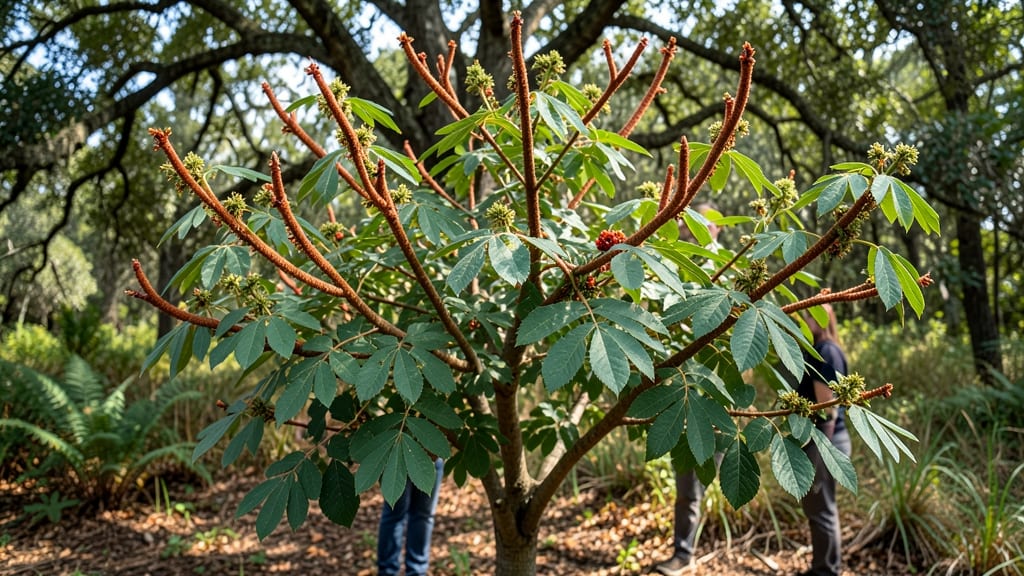
If you're wondering how tall does sumac grow, the answer might surprise you—this hardy 🌿 shrub can range from a manageable 6 feet to a towering 25 feet, depending on the variety and growing conditions.
Sumac isn't just one-size-fits-all; some types stay compact enough for small gardens, while others grow tall enough to rival small trees. Whether you're dreaming of a wildlife-friendly hedge or a bold landscape statement, understanding these height differences is the first step to choosing the perfect plant for your space.
From the dwarf varieties that top out at 6 feet to the tallest sumac reaching 25 feet, each type has its own growth habits and care needs.
I’ll break down what you need to know to pick the right sumac for your yard—whether you want it to blend in or stand out.
Ready to find out which sumac fits your landscape? Let’s dive into the details so you can make an informed choice that works for your garden’s size and style.

Sumac height by variety: dwarf to giant growth ranges
Sumac plants offer a stunning range of heights, from compact shrubs perfect for small gardens to towering trees that make bold landscape statements. Understanding these differences helps you choose the right variety for your space—whether you want a low-maintenance hedge or a wildlife-friendly focal point.
Let’s break down the most popular types and their mature heights.
First, it’s important to note that sumac can grow as a shrub or small tree, depending on the variety and growing conditions. Some types, like Staghorn sumac, can reach heights of 15 to 25 feet, while others, such as dwarf varieties, stay under 6 feet.
The key to managing their growth lies in selecting the right species for your yard’s size and climate.
🌿 Visual Guide: Sumac Height by Variety
| Variety | Mature Height | Spread | Growth Habit | Best For |
|---|---|---|---|---|
| Staghorn Sumac (Rhus typhina) | 15–25 ft | 10–15 ft | Upright, multi-stemmed | Large landscapes, erosion control |
| Fragrant Sumac (Rhus aromatica) | 6–12 ft | 6–10 ft | Bushy, rounded | Small gardens, hedges |
| Smooth Sumac (Rhus glabra) | 12–20 ft | 10–15 ft | Tree-like, single trunk | Wildlife habitats, open spaces |
| Dwarf Sumac (Rhus copallina 'Low Brush') | 3–6 ft | 4–5 ft | Compact, mounded | Containers, small yards |
| Lace Sumac (Rhus typhina 'Bailtiger') | 10–15 ft | 8–10 ft | Upright, feathery foliage | Ornamental gardens, focal points |
If you’re wondering how quickly sumac grows, most varieties gain 3 to 5 feet in their first year and continue growing 1 to 2 feet annually until they reach maturity.
For example, a Staghorn sumac planted in full sun can hit 10 feet in just 3 years, while a dwarf variety will stay manageable even in tight spaces.
Another factor influencing height is your USDA hardiness zone. Most sumac thrives in zones 4 through 9, but cooler climates may slow growth slightly. In warmer zones, sumac can grow more aggressively, so regular pruning may be needed to keep it in check.
For those with small gardens or containers, the dwarf sumac varieties are ideal. They offer the same stunning fall colors and wildlife benefits without overwhelming your space. Meanwhile, larger varieties like Staghorn or Smooth sumac are perfect for wildlife-friendly borders or erosion control on slopes.
When planning your landscape, consider not just the height but also the spread of the plant. A sumac with a 10-foot spread can quickly fill a large area, so give it plenty of room to grow.
If space is limited, opt for a compact variety or plan to prune it regularly.
One of the biggest misconceptions about sumac is that it’s invasive. While it can spread via seeds and underground runners, most varieties are well-behaved when given proper spacing and care.
With the right pruning techniques, you can easily control its height and shape, making it a versatile addition to any garden.
For urban gardens or rooftop containers, consider potted sumac. Dwarf varieties like 'Low Brush' thrive in large containers, allowing you to enjoy their beauty without permanent planting. Just ensure the container is at least 18 inches deep and has good drainage.
Whether you’re drawn to sumac for its vibrant fall foliage, wildlife benefits, or low-maintenance nature, choosing the right variety based on height is the first step to a stunning, functional landscape. Next, we’ll explore how to manage sumac growth through pruning and seasonal care.
Sumac height by variety: dwarf to giant growth ranges
Sumac plants vary dramatically in height, from compact shrubs under 6 feet to towering small trees reaching 25 feet. The variety you choose will determine whether it fits in a small garden border or becomes a landscape centerpiece.
Let’s break down the most common types and their mature heights to help you plan your planting strategy.
Understanding these height ranges is crucial because sumac’s growth habit can shift from shrub-like to treelike depending on the species. For example, Staghorn sumac often grows as a multi-stemmed shrub, while Smooth sumac can develop a single trunk and tree-like form.
Your USDA hardiness zone also plays a role—some varieties thrive in zones 3-9, while others prefer milder climates.
| Variety | Mature Height | Growth Habit | Best For |
|---|---|---|---|
| Dwarf Sumac (Rhus copallina 'Low Light') | 3–6 ft | Compact shrub | Small gardens, containers, erosion control |
| Staghorn Sumac (Rhus typhina) | 12–20 ft | Multi-stemmed shrub/tree | Wildlife habitats, large landscapes |
| Fragrant Sumac (Rhus aromatica) | 3–8 ft | Low-growing shrub | Ground cover, pollinator gardens |
| Smooth Sumac (Rhus glabra) | 15–25 ft | Single-trunk tree | Woodland edges, large properties |
If you’re working with limited space, opt for Fragrant or Dwarf sumac, which stay under 8 feet and spread only 3–6 feet wide. These are perfect for urban gardens or container planting.
For a bold statement, Staghorn or Smooth sumac will create a dramatic focal point, especially when planted near water features or patios.
One often-overlooked factor is how sumac’s spread matches its height. While some varieties like Staghorn sumac can reach 20 feet tall, their canopy spread is equally wide, making them ideal for privacy screens or windbreaks.
Always check the mature spread when selecting a variety to avoid overcrowding other plants.
For northern climates (zones 3–5), Staghorn sumac is a top choice due to its cold hardiness and vibrant fall colors. In southern zones (6–9), Smooth sumac thrives with minimal care, making it a low-maintenance option.
Both varieties attract birds and butterflies, adding ecological value to your landscape.
Before planting, measure your space and consider how sumac’s height and spread will interact with nearby structures. A 15-foot sumac planted too close to a house could obstruct windows or require aggressive pruning later.
When in doubt, start with a dwarf variety and monitor its growth before committing to larger species.