
How To
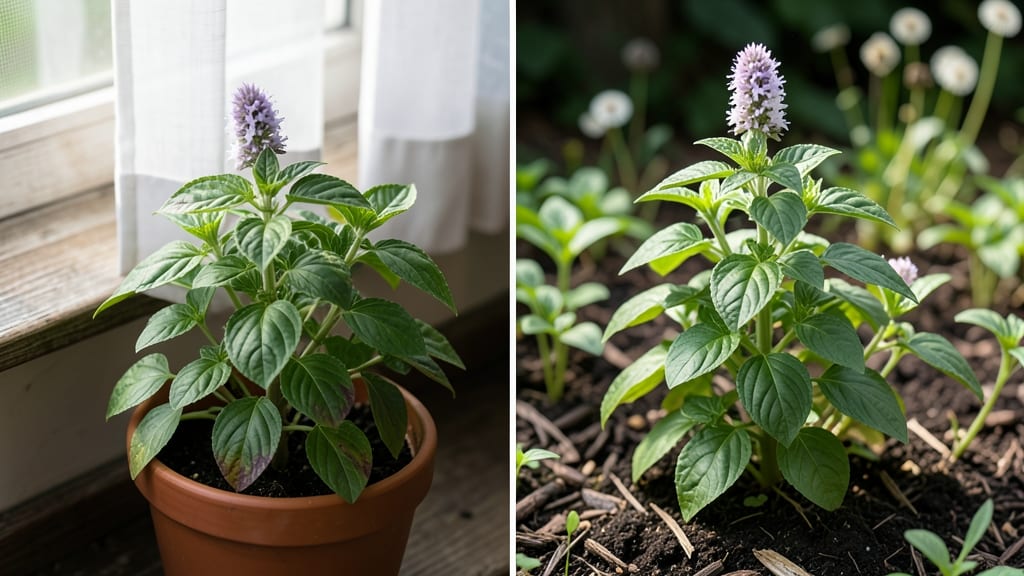
If you’ve ever wondered how tall does sweet basil grow when left unchecked, you’re not alone. The secret to keeping it at the perfect height—12 to 24 inches—lies in understanding its natural growth habits and a few simple pruning tricks that most gardeners overlook.
Sweet Basil thrives when given the right care, but without guidance, it can quickly outgrow its space, becoming leggy and less productive.
Whether you’re growing it in pots on your balcony or in garden beds, controlling its height isn’t just about aesthetics—it’s about ensuring a steady harvest of fragrant leaves all season long.
In this guide, I’ll break down exactly how tall Sweet Basil grows under ideal conditions, why some varieties stay short while others reach towering heights, and the easiest pruning techniques to keep it bushy and manageable.
No more struggling with unruly plants—just lush, flavorful basil that’s perfect for cooking or companion planting.
Ready to take control? Let’s dive into the science of Sweet Basil’s growth and the pruning secrets that will transform your herb garden—starting today.

Sweet basil growth height: natural range and factors that influence size
Sweet basil typically reaches a mature height of 12 to 24 inches, but its growth habits can vary dramatically based on variety, sunlight exposure, and container size.
Standard varieties like Genovese or Sweet Basil often max out at 18 to 24 inches, while dwarf varieties (such as 'Spicy Globe') stay compact at 6 to 12 inches. Understanding these differences helps you plan spacing and pruning strategies from day one.
One of the biggest factors influencing height is sunlight. Basil thrives in full sun (6+ hours daily), but insufficient light triggers stretching and legginess, causing plants to grow taller and weaker.
In contrast, adequate sunlight promotes bushier, shorter growth with thicker stems. If you're growing basil in containers, smaller pots restrict root growth, naturally keeping plants shorter and more compact—ideal for windowsill gardens.
Soil quality also plays a role in height regulation. Well-draining, nutrient-rich soil encourages balanced growth, while poor or compacted soil can stunt roots, leading to taller, less stable plants.
I always mix compost or worm castings into the soil before planting to ensure my basil stays short, sturdy, and productive. Overcrowding is another common issue—when plants compete for space, they bolt (flower) prematurely, causing rapid height spikes.
| Factor | Impact on Height | Solution |
|---|---|---|
| Sunlight | ↑ Tall, leggy (≤4 hrs sun) | ↓ Bushy (6+ hrs sun) | Provide 6+ hours full sun; use grow lights indoors. |
| Variety | Dwarf: 6–12 in | Standard: 18–24 in | Choose 'Spicy Globe' for pots or Genovese for garden beds. |
| Container Size | Smaller pots = shorter growth (roots restricted) | Use 5–7" pots for single plants; 12" pots for multiple stems. |
| Soil Quality | Poor soil = taller, weaker stems | Rich soil = compact, bushy | Amend with compost and ensure good drainage. |
| Pruning | Regular pinching = shorter, bushier | No pruning = taller, leggy | Pinch top sets weekly; harvest upper leaves to encourage branching. |
Temperature also affects height—cool nights (below 50°F) slow growth, while hot, dry conditions can cause basil to bolt (flower) quickly, leading to rapid height increases.
If you're growing basil in USDA Zones 6–10, start seeds indoors 4–6 weeks before the last frost to give plants a strong root system before transplanting. This head start prevents stunted or overly tall growth later in the season.
For container gardening, I’ve found that basil in 7-inch pots rarely exceeds 12 inches in height, while larger 12-inch pots can support 18-inch-tall plants if not pruned. The key is to harvest regularly—removing upper leaves and flowers signals the plant to branch out instead of stretching.
This technique keeps basil compact and productive throughout the growing season.
If you’re growing basil for culinary use, aim for a height of 12–18 inches—this range ensures plenty of leaves while keeping the plant manageable.
For companion planting, taller varieties (like Genovese) pair well with tomatoes (they deter pests), while dwarf varieties work beautifully in hanging baskets or window boxes. Always space plants 6–12 inches apart in garden beds to prevent overcrowding and legginess.
One pro tip I swear by: Mulch around the base of your basil plants with straw or shredded leaves to retain moisture and suppress weeds, which compete for nutrients. This simple step reduces stress on the plant, leading to healthier, shorter growth.
Combine this with consistent watering (never soggy soil) and monthly feeding with a balanced fertilizer, and you’ll have perfectly sized basil all season long.
Remember, basil’s height isn’t set in stone—your care routine determines whether it grows tall and leggy or short and bushy. By paying attention to sunlight, variety, and pruning, you’ll enjoy abundant harvests without the hassle of unruly plants.
Start with these basics, and your basil will stay just the right height for years to come. 🌿
Sweet basil growth height: natural range and factors that influence size
Sweet basil typically reaches a mature height of 12 to 24 inches when grown under ideal conditions. However, its final size depends on several factors, including variety selection, sunlight exposure, and container size.
Dwarf varieties like 'Spicy Globe' stay compact at just 6 to 12 inches, while standard types like 'Genovese' can stretch toward 2 feet if left unchecked.
Your basil’s height is directly influenced by how much direct sunlight it receives. Plants basking in 6+ hours of full sun daily grow taller and bushier, while those in partial shade may stay shorter but produce fewer leaves.
Even 10% less sunlight can reduce growth by up to 30%, making shade-grown basil leggy and sparse.
Container gardening also plays a crucial role. Basil planted in 5-gallon pots or larger thrives with room to spread its roots, often reaching 18 to 24 inches. However, cramped 3-inch pots restrict root growth, resulting in stunted plants rarely exceeding 10 inches.
Always choose containers with drainage holes to prevent root rot, which can further stunt growth.
| Variety | Mature Height | Best For |
|---|---|---|
| Dwarf (e.g., 'Spicy Globe') | 6–12 inches | Containers, windowsills |
| Semi-Dwarf (e.g., 'Mini Purple') | 12–18 inches | Beds, small pots |
| Standard (e.g., 'Genovese') | 18–24 inches | Garden beds, large pots |
Soil quality and moisture levels also impact height. Well-draining, nutrient-rich soil with a pH of 6.0 to 7.0 promotes healthy root development, while soggy or compacted soil can stunt growth.
Overwatering or underwatering both stress plants, leading to leggy, weak stems that struggle to support themselves. Aim for consistently moist (not soggy) soil to encourage sturdy, compact growth.
If your basil starts stretching toward the sky, it’s likely bolting—a sign it’s transitioning to flower production. Bolting occurs when plants sense long daylight hours or heat stress, often in late summer.
To prevent this, harvest leaves regularly and avoid letting plants flower. Removing flower buds early can redirect energy back into leaf production, keeping your basil bushy and short.
For container growers, pruning is key to managing height. Pinch off the top set of leaves when the plant reaches 6 inches tall to encourage branching. This simple step can reduce final height by 20–30% while doubling leaf yield.
Repeat pruning every 4–6 weeks throughout the growing season to maintain a compact, productive plant.