
How To
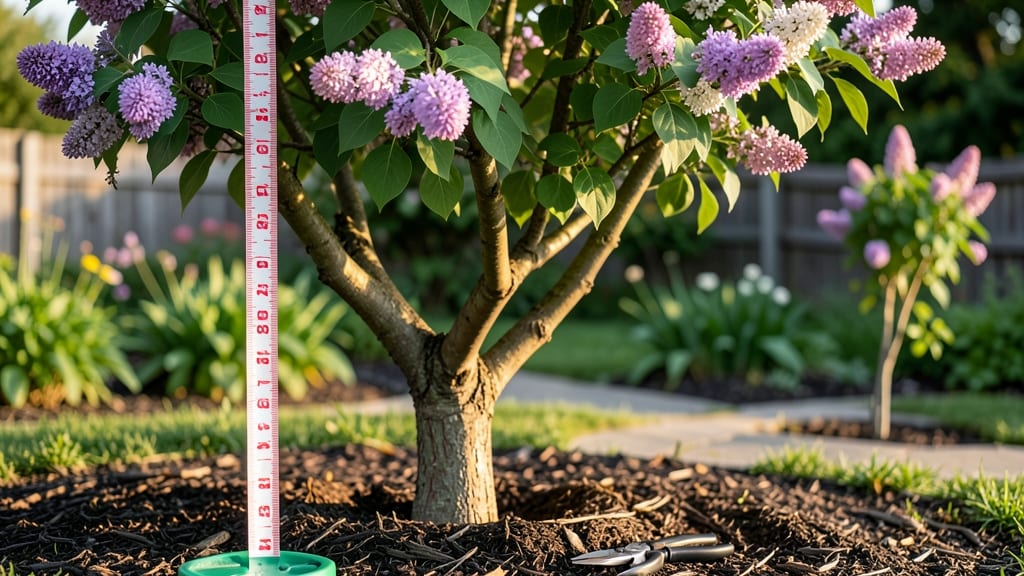
Wondering how tall lilac trees grow and whether they’ll soon tower over your backyard? These fragrant beauties (🌸) can reach heights of 8 to 15 feet when mature, but their size depends on variety, care, and a little pruning know-how.
If you’re dreaming of a lilac tree but worried about it outgrowing your space, don’t stress—there are ways to manage its height naturally.
Whether you’re working with a compact variety or a standard shrub, understanding the right timing and techniques for pruning can keep your lilac looking lush without taking over your garden.
In this guide, I’ll break down the typical growth patterns of lilac trees, share easy pruning tips to control their size, and even recommend the best dwarf varieties for smaller yards. By the end, you’ll know exactly how to enjoy those iconic blooms without sacrificing space.
Ready to grow a lilac that fits your garden perfectly? Let’s dive into the details so you can keep your yard both beautiful and manageable.

Natural height range of lilac trees by variety and growth conditions
Lilac trees (Syringa vulgaris) are known for their stunning fragrant blooms and rapid growth, but their mature height can vary dramatically depending on the variety and growing conditions.
On average, standard lilacs reach 8 to 15 feet tall, though some varieties stay compact at just 5 feet. Understanding these differences helps you choose the perfect lilac for your garden space.
The French lilac, one of the most popular types, typically grows 10 to 15 feet tall with a sprawling habit, making it ideal for large yards or as a privacy hedge.
In contrast, dwarf varieties like ‘Miss Canada’ or ‘Dwarf Korean’ max out at 5 to 8 feet, perfect for small gardens or containers. Even within the same species, pruning habits and climate can influence how tall a lilac grows.
Sunlight plays a critical role in lilac growth. While they thrive in full sun (6+ hours daily), some varieties grow taller and leggier with excessive sunlight, while others stay compact and bushy.
Soil drainage is equally important—poor drainage can stunt growth or cause root rot, while well-draining, slightly alkaline soil encourages healthy, vigorous growth. In cooler climates (USDA Zones 3-7), lilacs grow more slowly but reach their full height over 5 to 10 years.
Climate also affects height. In warmer regions (Zones 8-9), lilacs may grow faster and taller due to longer growing seasons, while colder climates can slow their growth but often produce hardier, longer-lived plants.
For example, the common lilac in Zone 5 might reach 12 feet in 8 years, whereas the same variety in Zone 8 could hit 15 feet in just 6 years.
Here’s how three key factors—variety, sunlight, and soil—interact to determine lilac height:
If you’re planting lilacs in a small garden, opt for dwarf varieties like ‘Miss Canada’ or ‘Dwarf Korean,’ which stay under 6 feet even with minimal pruning. For larger spaces, the French lilac or common lilac will thrive but require regular pruning to manage their height.
Always plant lilacs in well-draining soil and full sun to ensure they reach their potential height without stress.
One common mistake is assuming all lilacs grow tall and leggy. In reality, proper pruning can encourage bushier, more compact growth, even in standard varieties. For example, pruning back 1/3 of the plant after flowering can reduce height by 20–30% while promoting denser blooms.
This technique works best on young lilacs (under 5 years old) to shape their growth early.
For gardeners in urban areas, consider container-grown lilacs. Varieties like ‘Bloomerang’ or ‘Sensation’ can be pruned aggressively to stay under 6 feet, making them perfect for patios or balconies.
Just ensure the container has drainage holes and is at least 24 inches wide to accommodate root growth. In containers, lilacs grow slower but still benefit from annual pruning to control height.
When planning your garden layout, account for mature height by spacing lilacs 8 to 12 feet apart for standard varieties or 5 to 6 feet apart for dwarfs. This spacing prevents overcrowding, which can lead to poor air circulation and fungal diseases.
If you’re planting near a fence or wall, choose a dwarf variety to avoid shading other plants or blocking views.
🌸
Step-by-step pruning guide to control lilac tree height naturally
Pruning is the secret weapon for keeping your lilac tree at a manageable height while encouraging vibrant blooms. The key is timing—prune at the right moment to avoid stunting growth or reducing next year’s flowers.
Most gardeners make the mistake of pruning too late, which can cut off next season’s buds. Let’s fix that!
Start by gathering your tools: sharp bypass pruners, loppers for thicker branches, and gloves to protect your hands. Lilacs have tough stems, so dull tools will only frustrate you.
Work on a dry day when the plant isn’t actively flowering, and always sterilize your tools with rubbing alcohol to prevent disease spread.
When to prune is critical. The best time is right after flowering, typically in late May or early June. This allows the plant to set next year’s buds while giving you control over its shape. Avoid pruning in fall or winter, as this can remove flower buds before they form.
How to prune depends on your goal. For a taller, more open tree, remove 1/3 of the oldest stems at the base. For a bushier, compact shape, trim back last year’s growth by 1/3 to encourage branching. Never remove more than 30% of the plant in one season—this can stress the lilac.
- Step 1: Wait until 2-4 weeks after flowering to prune.
- Step 2: Remove dead or crossing branches first for better airflow.
- Step 3: Cut 1/3 of oldest stems at the base for rejuvenation.
- Step 4: Trim last year’s growth by 1/3 for bushier blooms.
- Step 5: Shape the plant by fading cuts outward to avoid stubs.
Common mistakes can turn your lilac into a bare-branched mess. Never prune in fall or early spring, as this removes next year’s flower buds.
Also, avoid topping the plant (cutting the top flat)—this creates weak, leggy growth. Instead, focus on selective pruning to maintain a natural shape while controlling height.
With consistent pruning, your lilac tree will stay healthy and fragrant for years. Start small, observe how it responds, and adjust your approach each season. Before you know it, you’ll have a perfectly sized lilac that’s the star of your garden! 🌸