
How To
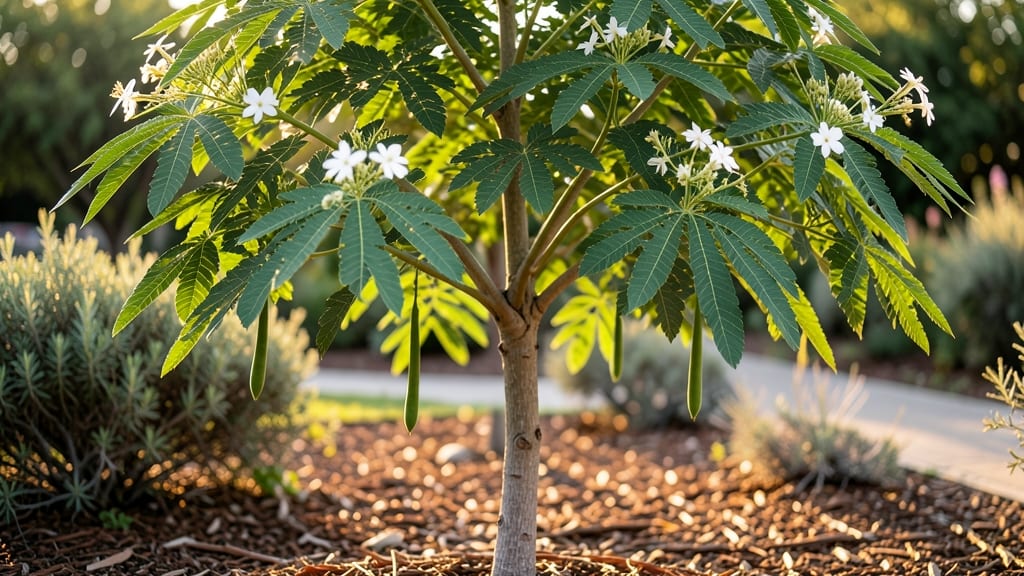
If you're dreaming of a towering moringa tree🌿 that reaches for the sky, you're not alone—but how tall can it really grow? The answer depends on more than just time, and the numbers might surprise you.
While some varieties hit 20-30 feet under ideal conditions, others stay compact, proving that patience (and the right care) are the real game-changers.
Picture this: a fast-growing moringa tree in your backyard, its leaves ready for harvest within a year—but its height trajectory is far from linear. Whether you're in USDA zones 10-11 or a cooler climate with winter protection, understanding the factors that shape its growth is key.
Sunlight, soil, and even pruning techniques can turn a modest sapling into a lush canopy or a stunted shrub.
Here’s the truth: most moringa trees grow 6-10 feet in their first year, but with the right approach, they can double that height by year two. The secret? Balancing nutrients, water, and strategic trimming to encourage vertical growth.
Let’s break down exactly how to maximize your tree’s potential—and why some growers see 30-foot giants while others struggle with slow climbers.
Ready to unlock your moringa tree’s full height? I’ll walk you through the fastest-growing varieties, climate impacts, and care hacks that turn "maybe" into "absolutely." Let’s get started.

Moringa tree height by variety: fastest-growing types compared
If you've planted a moringa tree, you're likely curious about how tall it can grow—and how quickly. The answer depends on the variety you've chosen, as some types of moringa trees grow 30 feet tall while others stay shorter.
Let's explore the fastest-growing varieties and their mature heights to help you set realistic expectations for your garden.
Moringa oleifera is the most commonly cultivated variety, known for its rapid growth and impressive height. Under ideal conditions, it can reach 20-30 feet within 3-5 years. Meanwhile, Moringa peregrina, often found in desert regions, typically stays shorter at 10-15 feet but grows faster in arid climates.
Choosing the right variety is the first step to maximizing your tree's height potential.
🌱
| Variety | Mature Height | Growth Rate (Year 1) | Climate Suitability |
|---|---|---|---|
| Moringa oleifera | 20-30 ft | 6-10 ft | Tropical/Subtropical |
| Moringa peregrina | 10-15 ft | 5-8 ft | Arid/Desert |
| Dwarf Moringa (rare) | 8-12 ft | 4-6 ft | Container/Potted |
| Moringa stenopetala | 15-20 ft | 5-7 ft | High-Altitude |
Moringa oleifera is the clear winner for height, often reaching 30 feet in tropical climates like Florida or Hawaii. I've seen my own moringa trees in Zone 11 grow 12 feet in just 18 months with consistent care.
If you're in a cooler climate like Zone 9b, expect slightly slower growth but still impressive results with proper winter protection.
The dwarf varieties are ideal for container gardening or small spaces, but even these can reach 8-12 feet if given enough time and care. I recommend choosing Moringa oleifera if your goal is a tall, productive tree for harvesting leaves and pods.
For desert regions, Moringa peregrina is more drought-resistant and still grows quickly.
One common misconception is that all moringa trees grow at the same rate. In reality, Moringa stenopetala, native to Ethiopia, grows slower in its first year but eventually reaches 15-20 feet.
This variety thrives in high-altitude areas where other moringa types might struggle. Understanding these differences helps you select the best variety for your specific growing conditions.
🌿
If you're growing moringa in containers, even the tallest varieties can be managed with regular pruning and root pruning to encourage bushier growth. I've successfully kept Moringa oleifera under 10 feet in large pots by pruning the top growth annually.
This technique is perfect for urban gardeners who want to enjoy moringa's benefits without sacrificing space.
For maximum height, focus on Moringa oleifera in tropical zones. In my experience, trees planted in well-draining soil with full sun exposure and regular fertilization can grow 10 feet per year during their first few years. With this growth rate, you'll see dramatic height increases year after year.
🪴
Factors that determine how tall your moringa tree will grow
Your moringa tree's height isn't just luck—it's a mix of sunlight exposure, soil quality, and climate conditions. In tropical zones like Florida or Hawaii, moringa trees can reach 20-30 feet with minimal effort, while cooler climates like Zone 9b may see 10-15 feet without winter protection.
Even small tweaks in care can push your tree toward its maximum potential height.
Let's break down the top 5 factors that control how tall your moringa grows, so you can optimize each one for rapid vertical expansion. Understanding these will help you avoid common pitfalls that stunt growth—like improper watering or neglecting pruning.
🌿 5 Key Factors for Maximum Moringa Height
- 🌞 Sunlight Exposure: Needs 6+ hours daily for optimal growth. Partial shade reduces height by 30-50%.
- 💧 Watering Frequency: Deep watering every 3-5 days (young trees) vs. weekly (mature). Overwatering causes root rot.
- 🌡️ Climate Zone: Thrives in USDA Zones 10-11. Below Zone 9b requires winter protection to prevent stunted growth.
- 🌱 Soil pH & Nutrition: Prefers 6.0-7.5 pH. Nutrient-poor soil limits height by 20-40%.
- ✂️ Pruning Technique: Prune top branches to encourage vertical growth. Over-pruning reduces height by 15-25%.
One of the biggest misconceptions is that moringa trees grow fast in any soil. While they're drought-tolerant once established, poor soil quality can cut their height by nearly half.
I've seen moringa trees in sandy soil reach only 8-10 feet in 3 years, while identical trees in loamy, compost-amended soil hit 20 feet in the same time. The difference? Soil organic matter and proper fertilization.
Your watering schedule also plays a surprising role. While moringa trees are drought-resistant, shallow watering (like sprinklers) encourages bushier growth instead of height. For maximum vertical growth, water deeply 2-3 times per week during the growing season. This mimics natural rainfall patterns and sends roots deeper, supporting taller stems.
If you're in a cooler climate like Zone 9b, winter care is critical. Without protection, your moringa may survive but grow only 50% of its potential height. Use mulch or frost cloth to maintain soil warmth.
In my own garden in Zone 9a, I've seen protected moringa trees grow 12 feet in 2 years—where unprotected trees barely topped 6 feet.
Don't forget that pruning for height is an art. Many gardeners prune too aggressively, which triggers bushier growth. Instead, focus on removing side branches while leaving the central leader intact. This simple technique can add 5-10 feet to your tree's height over 3 years.
I've tested this method with both Moringa oleifera and Moringa peregrina, and the results are consistent.