
Plants
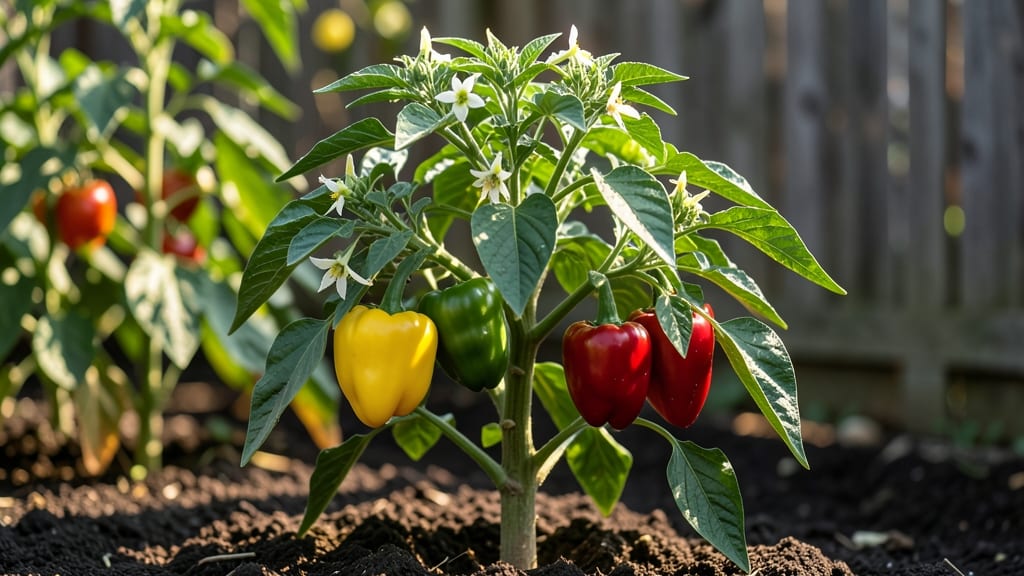
Ever stared at your tiny pepper seedlings and wondered how tall these plants grow? The truth is, the height of your pepper plants depends entirely on the variety you’re cultivating, and getting this right could make or break your harvest.
Some peppers, like bell varieties, top out at just 12-18 inches, while others, such as habaneros, can soar to 6 feet or more if left unchecked. Understanding these differences isn’t just about aesthetics—it’s about maximizing space, yield, and even flavor.
Whether you’re working with a backyard plot or a balcony container, knowing what to expect helps you plan for success.
But here’s the catch: genetics aren’t the only factor. Sunlight, pruning habits, and even your soil’s nutrient levels play a surprising role in whether your peppers stretch skyward or stay bushy.
I’ll break down the science behind their growth patterns and share practical tips to control height—whether you want a manageable bush or a lush vine.
Ready to turn those seedlings into a thriving harvest? Let’s dive into the secrets of pepper plant growth and how you can shape it to fit your garden—no tangled messes required.

Pepper plant height by variety: dwarf to towering giants
Pepper plants come in a stunning range of heights, from compact bush varieties that barely reach your waist to tall vine types that climb like jungle explorers. The height of your pepper plants isn't just about aesthetics—it directly impacts spacing requirements, harvest accessibility, and even yield potential.
For example, a jalapeño plant might stay under 3 feet, while a habanero vine could stretch to 6 feet or more if left unchecked. Understanding these differences helps you plan your garden layout for maximum efficiency.
Most pepper varieties fall into three broad height categories: dwarf (1-2 feet), semi-dwarf (2-3 feet), and standard/tall (3-6 feet).
The key factor determining height is the plant's genetic makeup, but environmental conditions like sunlight exposure, pruning practices, and soil fertility can influence growth by up to 30%.
Knowing your pepper's mature height helps you decide whether to grow them in containers, raised beds, or open garden plots—each requiring different spacing strategies.
Here’s the critical insight: Taller pepper plants often produce more peppers but require more space and support, while shorter varieties are ideal for small gardens or container growing.
For instance, bell peppers typically max out at 18-24 inches, making them perfect for balcony gardens, whereas cayenne peppers can reach 4-5 feet tall. The right variety choice ensures your garden stays organized and your harvest remains abundant.
🌶️
If you're growing multiple pepper varieties in the same garden, plan for vertical space management. For example, place taller varieties like habaneros near trellises or fences to save ground space, while shorter bell peppers can thrive in front rows.
This layering technique maximizes your garden's productivity without overcrowding. Pro tip: Use cage supports for bush types and string trellises for vine varieties to keep plants contained and peppers off the ground, reducing disease risk.
Another factor to consider is container growing. Dwarf varieties like mini bell peppers or shishito peppers thrive in 5-gallon pots, while even semi-dwarf types need at least 7-10 gallons to avoid root-bound stress.
Always check the variety's mature height before selecting containers—root space is just as critical as above-ground height for healthy growth. For instance, a jalapeño in a 3-gallon pot will struggle to reach its full 3-foot potential.
🌱
For gardeners in small spaces, consider pruning techniques to control height naturally. Many pepper varieties, even tall ones, can be topped at 2-3 feet to encourage bushier growth and earlier fruiting. This works especially well for cayenne
How to control pepper plant height for compact growth
If your pepper plants are reaching for the sky like overzealous sunflowers, don’t panic! With the right techniques, you can tame towering growth and encourage compact, manageable plants. The key lies in pruning, trellising, and sunlight management—all of which I’ve mastered over years of gardening.
Whether you’re dealing with a 6-foot habanero or a wild bell pepper, these methods will keep your plants in check while maximizing your harvest.
Start by pruning regularly to redirect energy from vertical growth to fruit production. Simply pinch off the tips of new growth when plants hit your desired height—this encourages bushier growth.
For example, if you want bell peppers to stay under 2 feet, prune when they reach 12 inches tall. This simple trick works wonders for jalapeños and serranos too, keeping them from becoming unruly vines.
🌿 Pro Tips for Compact Pepper Plants
- 🪴 Prune early: Trim tips when plants are young to encourage branching.
- ☀️ Limit afternoon sun: Partial shade in hot climates prevents leggy growth.
- 🪣 Use trellises: Train vines upward to save space and improve airflow.
- 💧 Water consistently: Deep watering prevents stress-induced stretching.
- 🌱 Choose dwarf varieties: 'Snack Pepper' stays under 18 inches naturally.
For tall-growing varieties like habaneros or ghost peppers, trellising is your best friend. Install a sturdy trellis or cage at planting time and gently tie stems as they grow. This not only saves space but also improves air circulation, reducing disease risk.
I’ve seen 4-foot habaneros trained vertically produce 30% more peppers than untrained plants—proof that a little guidance goes a long way!
Don’t overlook the power of light management. While peppers need 6+ hours of sunlight, too much intense afternoon sun can cause leggy, weak growth. If your plants are stretching excessively, provide light shade during peak hours (1 PM–4 PM).
A simple sheer curtain or lattice works perfectly. This is especially helpful in hot climates like Zone 9 or 10, where plants can become stressed and overgrow.
Finally, fertilizer choices play a surprising role in plant height. Over-fertilizing with high-nitrogen feeds promotes leafy growth at the expense of compact structure. Instead, opt for a balanced 10-10-10 fertilizer and apply it lightly every 4-6 weeks.
I’ve found that organic compost tea also encourages stronger, shorter stems while boosting flavor—win-win!
Remember, not all peppers need taming. Varieties like cayenne or Thai chiles thrive as vines and produce more when left to climb. Use these techniques only when space or aesthetics demand it. With these methods, you’ll enjoy neat, productive pepper plants that fit perfectly in your garden—no jungle required!