
How To
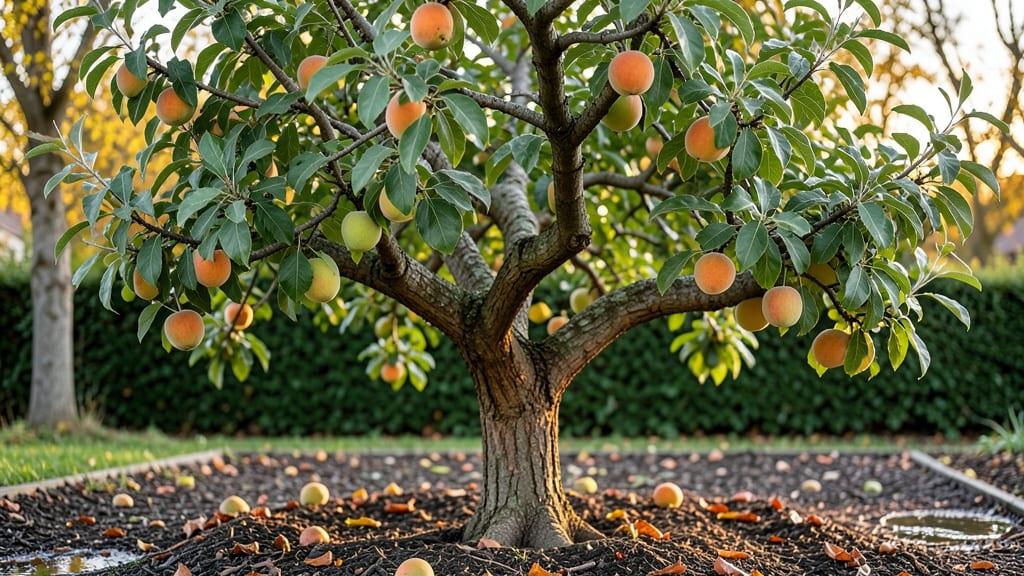
Wondering how tall will a peach tree grow before you commit to planting one? The answer isn’t just about space—it’s about choosing the right variety for your garden’s layout and your long-term care routine.
A standard peach tree like the classic Elberta can reach 20-25 feet tall, while dwarf varieties such as 'Bonanza' stay compact at 8-12 feet. That difference means the choice between a towering fruit-bearing giant and a manageable backyard staple.
The right size depends on your property, sunlight access, and how much pruning you’re willing to tackle.
Beyond variety, factors like rootstock type, pruning habits, and even your local climate play a role in how tall your 🍑 will grow. For example, semi-dwarf trees (like 'Redhaven') strike a balance at 12-18 feet, making them ideal for medium-sized yards.
But without proper care, even dwarf trees can outgrow their intended space.
In this guide, I’ll break down the heights of popular peach trees, share spacing tips for small gardens, and reveal the 5 most common mistakes that cause trees to grow taller than expected. Let’s get started!

Peach tree height by variety: dwarf, semi-dwarf, and standard sizes explained
Choosing the right peach tree height starts with understanding the three main size categories: dwarf, semi-dwarf, and standard. Each variety grows at different rates and reaches distinct mature heights, making them ideal for different garden spaces.
A standard peach tree can tower between 16-25 feet, while dwarf varieties stay compact at 8-12 feet, perfect for small yards or containers.
Your garden’s available space isn’t the only factor—rootstock type plays a huge role in determining final height. Dwarf trees are grafted onto dwarfing rootstock like 'Lovell' or 'Halford,' which naturally restrict growth.
Semi-dwarf trees use intermediate rootstock, while standard trees grow on their own roots or seedling rootstock, reaching their full genetic potential.
Here’s how to visualize the differences: A standard 'Elberta' peach tree might reach the height of a two-story house, while a 'Bonanza' dwarf stays about as tall as a basketball hoop.
This variation lets you tailor your tree to your property’s layout, whether you have a sprawling orchard or a cozy courtyard.
| Variety | Mature Height (ft) | Canopy Spread (ft) | Ideal Spacing (ft) | Best For |
|---|---|---|---|---|
| Bonanza (Dwarf) | 8-12 | 8-10 | 10-12 | Small gardens, containers |
| Redhaven (Semi-Dwarf) | 12-16 | 12-15 | 15-20 | Backyards, urban lots |
| Elberta (Standard) | 20-25 | 20-25 | 25-30 | Large properties, orchards |
| Suncrest (Dwarf) | 8-10 | 6-8 | 8-10 | Patio gardens, containers |
When selecting a variety, consider how the canopy spread compares to the tree’s height. A 'Redhaven' semi-dwarf, for example, spreads 12-15 feet wide, so you’ll need at least 15-20 feet of space in all directions to avoid overcrowding.
This spread is critical for airflow, which reduces disease risk and improves fruit quality.
For small gardens, dwarf varieties like 'Bonanza' or 'Suncrest' are game-changers. They produce abundant fruit despite their compact size, making them perfect for balconies or courtyards. Just ensure your container is at least 18 inches in diameter and has drainage holes to prevent root rot.
If you’re planting multiple trees, spacing is everything. Standard trees need 25-30 feet between them, while dwarf trees can be spaced 8-10 feet apart. Poor spacing leads to competition for sunlight and nutrients, stunting growth and reducing fruit production.
Think of it like a traffic jam in your orchard—too close, and everyone suffers.
Pruning plays a key role in managing height, especially for semi-dwarf and standard varieties. Structural pruning in the first 2-3 years sets the foundation for a balanced tree. Aim to remove 20-30% of new growth annually to encourage outward branching and prevent a single, towering trunk.
This technique keeps your tree shorter and bushier, improving fruit accessibility and sunlight penetration.
Climate also influences height—trees in warmer zones (USDA 8-10) may grow slightly taller due to longer growing seasons. In cooler climates (USDA 6-7), growth slows, and trees may stay slightly shorter. Always check the recommended USDA zone for your chosen variety to ensure optimal growth and fruit production.
Pro tip: If you’re unsure about spacing, err on the side of more room. Trees with extra space grow stronger, produce more fruit, and live longer.
You can always add a second tree later if space allows—just avoid planting too close to fences or structures, which can restrict root growth and limit height potential.
How to choose the right peach tree size for your garden space
Selecting the perfect peach tree size for your garden starts with understanding your space constraints. A standard peach tree can reach 20-25 feet tall, while dwarf varieties stay between 8-12 feet.
For small yards or urban gardens, dwarf or semi-dwarf trees are ideal—they fit neatly into containers or tight spaces without sacrificing fruit production.
Consider your garden layout and sunlight exposure when choosing. Peach trees need 6-8 hours of direct sunlight daily, so place them where they won’t be shaded by walls, fences, or taller plants. A south-facing location is perfect for maximizing sunlight, especially in cooler climates.
🌱
| Tree Type | Mature Height | Canopy Spread | Best For |
|---|---|---|---|
| Dwarf | 8–12 ft | 6–10 ft | Containers, small yards, urban gardens |
| Semi-Dwarf | 12–18 ft | 10–14 ft | Medium spaces, backyard orchards |
| Standard | 20–25 ft | 15–20 ft | Large properties, rural settings |
If you’re planting in a container, opt for a dwarf peach tree like 'Bonanza' or 'Bonanza Gold'. These varieties thrive in 15-20 gallon pots and can be moved seasonally for optimal sunlight. Just ensure the container has drainage holes and use a well-draining potting mix to prevent root rot.
For in-ground planting, space your tree 10-15 feet apart for dwarf varieties and 20-25 feet apart for standard trees. This spacing prevents overcrowding, reduces disease risk, and ensures each tree gets enough sunlight and nutrients. Always plant in well-drained soil with a slightly acidic pH (6.0-7.0) for best results.
Regular pruning is key to managing height, especially for semi-dwarf and standard trees. Prune in late winter or early spring to remove dead or crossing branches and shape the tree. For dwarf trees, focus on light pruning to encourage bushier growth and better fruit production.
🪴