
How To
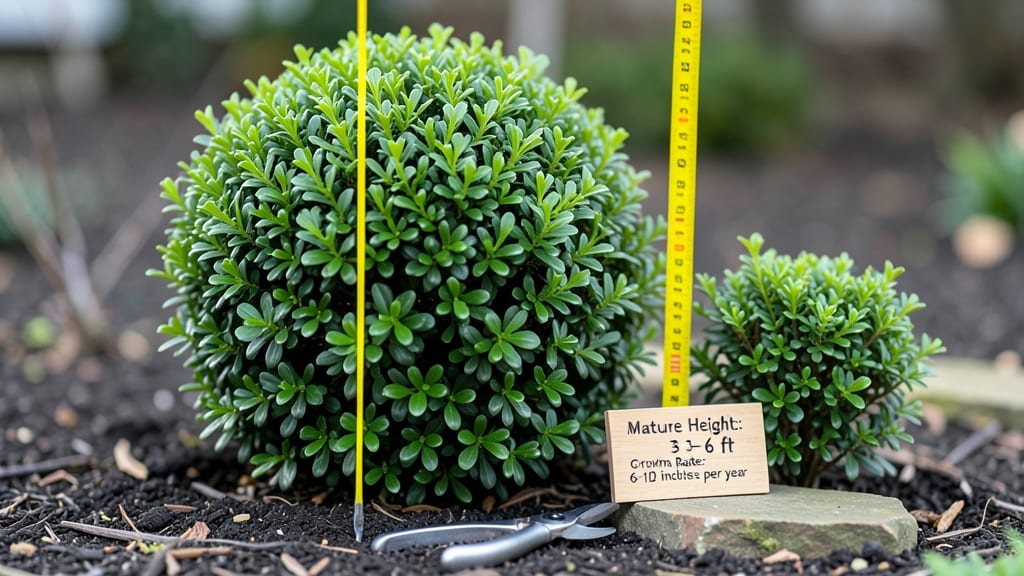
If you’ve ever wondered how tall will boxwood grow in your landscape, you’re not alone. The height of these classic shrubs can vary wildly—from just 1 foot to towering 15 feet—depending on the variety and how you care for them.
Understanding the natural growth range of boxwood is the first step to keeping them at your ideal height. Whether you’re working with a compact 'Littleleaf' variety or a standard 'Green Velvet', knowing what to expect helps you plan better pruning and placement.
In this guide, I’ll break down the typical mature heights for popular boxwood types, explain how sunlight, soil, and pruning habits influence their size, and share my best tricks for keeping them neatly trimmed year-round.
Ready to transform your boxwood from unruly to perfectly proportioned? Let’s dive into the secrets of managing their height—without sacrificing their beauty or health.

Natural boxwood growth height: what to expect by variety and age
Boxwoods are versatile shrubs that can range from compact hedges to towering specimens, depending on the variety and growing conditions. If you're wondering "how tall will boxwood grow?", the answer depends on whether you've planted a dwarf variety, a standard shrub, or a columnar type.
Most boxwoods mature between 3 to 15 feet, but their growth rate and final height can vary significantly based on pruning habits, sunlight exposure, and soil quality.
For example, a 'Green Velvet' boxwood typically stays between 2 to 3 feet tall when pruned regularly, making it ideal for foundation plantings or borders. On the other hand, 'Winter Gem' can grow up to 6 feet tall if left unpruned, while 'Dwarf English' varieties rarely exceed 2 feet.
Understanding these differences helps you choose the right variety for your space and design goals.
Sunlight plays a crucial role in determining how tall your boxwood will grow. While boxwoods thrive in partial shade, they can grow taller and leggier when exposed to full sun.
In hotter climates, too much direct sunlight can stress the plant, leading to stunted growth or even leaf scorch. Conversely, low-light conditions may slow growth but keep the shrub more compact and bushy.
Age also impacts height. In the first year, boxwoods grow slowly, reaching only 1 to 2 feet tall. By year three, they can double in height, depending on the variety.
For instance, a 'Littleleaf Boxwood' might stay under 3 feet for years, while a 'Burgundy Velvet' could stretch toward 5 feet if not pruned. Patience is key—boxwoods mature gradually, so consistent care pays off over time.
Soil quality and moisture levels further influence growth. Well-draining, slightly acidic soil (pH 6.0–7.0) promotes healthy root development, while waterlogged conditions can stunt growth or cause root rot.
Mulching around the base of the plant helps retain moisture and regulate soil temperature, encouraging steady, balanced growth rather than rapid vertical expansion.
| Variety | Mature Height | Growth Rate | Best For |
|---|---|---|---|
| 'Green Velvet' | 2–3 ft | Slow to moderate | Borders, hedges |
| 'Winter Gem' | 4–6 ft | Moderate | Privacy screens |
| 'Dwarf English' | 1–2 ft | Slow | Containers, edging |
| 'Littleleaf Boxwood' | 3–5 ft | Moderate | Topiary, formal gardens |
| 'Burgundy Velvet' | 5–8 ft | Fast | Specimen plants |
If you're aiming for a neat, manicured look, opt for dwarf or semi-dwarf varieties and prune them regularly. For example, 'Green Velvet' is perfect for creating a low hedge along walkways, while 'Winter Gem' can serve as a taller privacy barrier when planted in a row.
Always check the plant tag or nursery description for expected mature heights to avoid surprises.
One common misconception is that boxwoods will naturally stay small if planted in small containers. While container-grown boxwoods grow slower, they still reach their genetic potential if given enough space.
For instance, a 'Dwarf English' in a 15-gallon pot might stay under 2 feet, but the same variety in the ground could reach 3 feet without pruning.
To encourage bushier, more compact growth, focus on light pruning throughout the growing season. Avoid heavy shearing, which can stress the plant and lead to leggy growth.
Instead, trim just the newest growth to shape the shrub and promote a fuller form. This approach keeps boxwoods at your desired height while maintaining their health and vigor.
Finally, remember that boxwoods are long-lived plants, often thriving for decades with proper care. Their height may
Natural boxwood growth height: what to expect by variety and age
Boxwoods are versatile shrubs that can range from compact hedges to towering specimens, depending on the variety and growing conditions. If you're wondering how tall your boxwood will grow, the answer depends on whether you've planted a dwarf, semi-dwarf, or standard variety.
Without proper pruning, even compact types can outgrow their intended space, so knowing their natural growth habits is key to maintaining your vision for the landscape.
Most boxwoods grow 3 to 15 feet tall at maturity, but their height is heavily influenced by pruning practices, sunlight exposure, and soil quality.
For example, a standard boxwood like 'American Holly' can reach 10 to 15 feet if left unchecked, while a dwarf variety like 'Green Velvet' stays a manageable 1 to 3 feet. Understanding these differences helps you choose the right type for your space and set realistic expectations.
| Variety | Mature Height | Growth Rate | Best For |
|---|---|---|---|
| Green Velvet | 1–3 ft | Slow | Borders, containers |
| Winter Gem | 2–4 ft | Moderate | Hedges, foundation plants |
| Dwarf English | 3–5 ft | Moderate | Topiary, small hedges |
| American Holly | 6–15 ft | Fast | Privacy screens, large hedges |
| Littleleaf Boxwood | 2–4 ft | Slow | Rock gardens, containers |
Sunlight plays a critical role in determining how tall your boxwood grows. While boxwoods tolerate partial shade, they grow faster and taller in full sun. If you're aiming for a compact look, plant them in morning sun with afternoon shade, especially in hot climates.
This slows vertical growth while maintaining lush foliage. Additionally, well-draining, slightly acidic soil (pH 6.0–7.0) promotes healthier, more controlled growth.
Age also affects height—young boxwoods grow slowly in their first few years. A 1-year-old boxwood might only reach 1 to 2 feet, while a 3-year-old plant could be 3 to 5 feet tall. By year 5, most varieties will have reached 50% of their mature height.
If you're starting with young plants, plan ahead by spacing them 3 to 6 feet apart to accommodate their future size and avoid overcrowding.
To keep boxwoods at their ideal height, prune them annually in late spring or early summer. This encourages bushier growth and prevents leggy, overgrown stems. For dwarf varieties, a light trim in spring and fall is often enough, while standard types may need more aggressive pruning.
Always use sharp, clean tools to avoid damaging the plant and spreading disease.
If your boxwood is already too tall, don’t panic—rejuvenation pruning can help reset its size. Cut back one-third of the oldest stems to the ground in early spring, and the plant will send out new growth from the base.
This method works best for overgrown but otherwise healthy boxwoods and can reduce height by 2 to 3 feet in a single season.