
How To
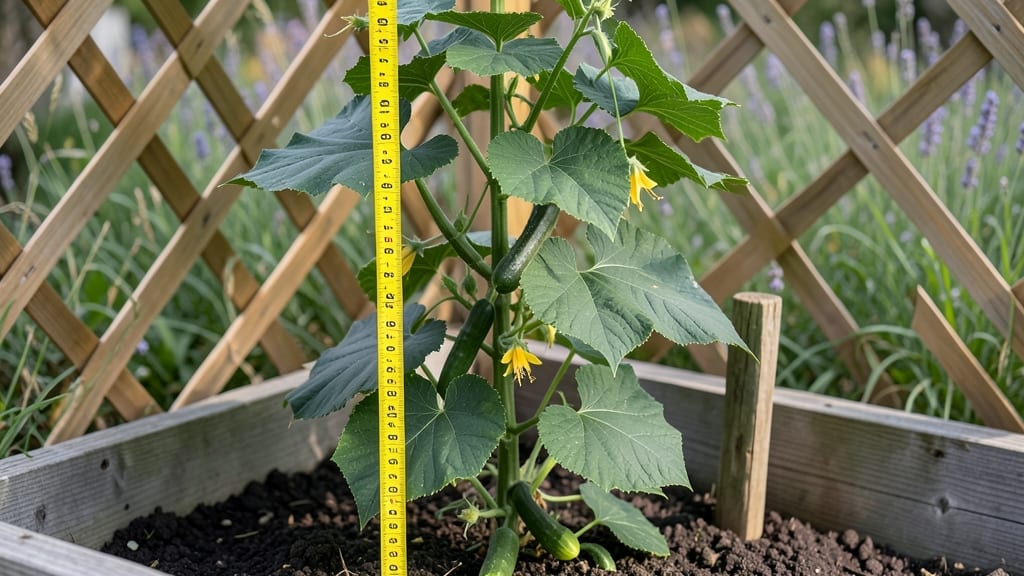
If you're planning your garden layout this spring, knowing how tall will cucumbers grow could save you from cramped plants or wasted space. These crisp, refreshing veggies come in two dramatic forms: sprawling vines that climb like jungle gyms and compact bush varieties that stay neatly contained.
The difference isn't just about height—it's about how you'll harvest, support, and even flavor your 🥒 crop.
Most home gardeners picture cucumbers as towering vines reaching 10 feet or more, but that's only half the story. Bush varieties stay short and stocky, perfect for small spaces or containers.
Meanwhile, vining types need room to stretch—or a sturdy trellis to channel their growth upward. The right choice depends on your garden's size and your patience for maintenance.
Here's the game-changer: proper spacing and support can transform even the most ambitious vines into manageable plants. Whether you're working with 2-foot bushes or 20-foot climbers, I'll show you exactly how to give them the room they need without sacrificing your garden's layout.
Let's break down the science—and the simple tricks—that keep cucumbers happy and productive.
From trellising techniques to soil secrets, you'll discover how to control cucumber growth while maximizing your harvest. Ready to plan your perfect cucumber patch? Let's get growing!

Cucumber growth heights: vining vs bush varieties explained
When planning your garden, knowing how tall cucumbers grow can make or break your layout. Cucumbers fall into two main categories: bush types and vining types, each with dramatically different space needs.
Bush cucumbers typically max out at 2–4 feet tall, making them perfect for small gardens or containers, while vining cucumbers can reach 10–25 feet if given the right support. Understanding these differences ensures you allocate space wisely and maximize your harvest.
Bush cucumbers, like the popular 'Bush Champion' variety, grow in compact mounds. Their shorter stature means they don’t require trellising, but they also produce fewer fruits compared to their vining counterparts.
On the other hand, vining cucumbers, such as 'Straight Eight' or 'Marketmore', send out long, sprawling vines that need vertical support. Without proper trellising, these vines can sprawl across your garden, competing with other plants for sunlight and space.
Why does height matter? Taller cucumbers need more sunlight, which directly impacts fruit production. Vining types, when properly supported, can produce 3–5 times more cucumbers than bush varieties because they have more surface area for leaves to photosynthesize. However, this also means they require more garden real estate or vertical structures like trellises, A-frames, or cages. For small spaces, bush cucumbers are the clear winner, while larger gardens can accommodate both types.
Here’s the key distinction: bush cucumbers are ideal for small gardens, containers, or urban plots, while vining cucumbers thrive in larger gardens or vertical gardens. If you’re short on space, opt for bush varieties.
If you have room to spare—or want to maximize yield—go for vining types and invest in a sturdy trellis. The right choice depends on your garden’s layout and your goals for production.
Let’s break down the specifics in this comparison table to help you decide which type fits your space and gardening style.
| Type | Height Range | Space Needs | Trellis Needed? | Yield Potential | Best For |
|---|---|---|---|---|---|
| Bush Cucumbers | 2–4 ft | Compact (1–2 sq ft per plant) | No | Moderate (fewer fruits) | Containers, small gardens, urban plots |
| Vining Cucumbers | 10–25 ft | Sprawling (3–6 sq ft per plant, vertical support) | Yes (trellis or cage) | High (abundant fruits) | Large gardens, vertical gardens, high-yield goals |
If you’re growing vining cucumbers, choosing the right trellis type is crucial. A 6-foot tall trellis is ideal for most varieties, but some aggressive vines like 'Arkansas Traveler' can reach 20+ feet if unchecked.
Use sturdy materials like wooden stakes, metal cages, or A-frames to support the weight of heavy cucumbers. For bush cucumbers, no support is needed, but they still benefit from mulch to retain moisture and suppress weeds.
Another factor to consider is pruning habits. Vining cucumbers can be pruned to control height, but this reduces yield. If you’re short on space, you can train vines upward and remove side shoots to keep them manageable.
Bush cucumbers rarely need pruning, but removing yellow leaves improves airflow and reduces disease risk. Pruning also makes it easier to harvest cucumbers without damaging the plant.
For container gardening, bush cucumbers are the best choice. A 5-gallon pot is sufficient for one plant, while vining types need at least a 15-gallon container with a trellis attached.
If you’re growing vining cucumbers in containers, ensure the pot has drainage holes and use a balanced fertilizer to support their rapid growth. Containers dry out faster, so monitor soil moisture closely, especially during hot summer months.
One common mistake gardeners make is underestimating vine growth. If you plant a vining cucumber without a trellis, it will sprawl across your garden, shading other plants and making harvests difficult. Always plan for vertical growth by installing trellises at planting time.
For bush cucumbers, overcrowding can lead to poor air circulation, increasing the risk of fungal diseases like powdery mildew. Space plants according to their mature size to keep your garden healthy and productive.
Now that you understand the height differences, you’re ready to choose the right cucumber variety for your space. Whether you’re a beginner with limited room or an experienced gardener aiming for a high yield, selecting the right type—and providing the proper support—will set you up for a bountiful harvest. 🌱
Optimal spacing rules for cucumbers by growth type
When planning your cucumber garden, spacing rules are just as important as choosing the right variety. Vining cucumbers need plenty of room to sprawl, while bush varieties thrive in tighter quarters. Getting this right prevents overcrowding, improves air circulation, and boosts yields by reducing disease risks.
Let’s break down the exact spacing guidelines for each type to help you design a productive layout.
For vining cucumbers, aim for 3–6 feet of vertical space when using trellises or cages. In ground planting requires 3–4 feet between plants and 5–6 feet between rows to accommodate their sprawling growth habits.
Without support, vines can stretch 10–25 feet, so plan accordingly if you’re letting them trail along the ground.
Bush cucumbers, on the other hand, are far more compact. These 2–4 foot tall plants only need 1–2 feet between plants and 3 feet between rows. Their bushy growth habit makes them ideal for small gardens, containers, or raised beds where space is limited.
Just ensure they get enough sunlight to prevent leggy growth.
🌱 Cucumber Spacing Summary
| Variety | Height Range | Plant Spacing | Row Spacing | Best For |
|---|---|---|---|---|
| Vining Cucumbers | 6–25 feet | 3–4 feet apart | 5–6 feet apart | Large gardens, trellises |
| Bush Cucumbers | 2–4 feet | 1–2 feet apart | 3 feet apart | Containers, small spaces |
If you’re growing cucumbers in containers or small spaces, opt for bush varieties or dwarf vining types that stay under 3–4 feet tall. Use large pots (at least 12–18 inches in diameter) with drainage holes and fill them with well-draining potting mix.
For vining types, choose compact varieties like 'Spacemaster' or 'Little Leaf,' which max out around 4–5 feet with proper training.
Proper spacing also helps prevent powdery mildew and other fungal diseases by improving airflow. Avoid planting cucumbers too closely together, even if you’re eager for a bigger harvest. Overcrowded plants compete for nutrients and sunlight, leading to smaller fruits and weaker vines. Always prioritize airflow and sunlight over density.
For trellis training, space plants 1–2 feet apart along the base of the trellis, regardless of variety. This ensures even distribution of vines and prevents shading. Use soft ties or cloth strips to secure vines gently—never wire, which can damage stems.
With the right spacing and support, your cucumbers will grow healthier and more productive all season long. 🌿