
How To
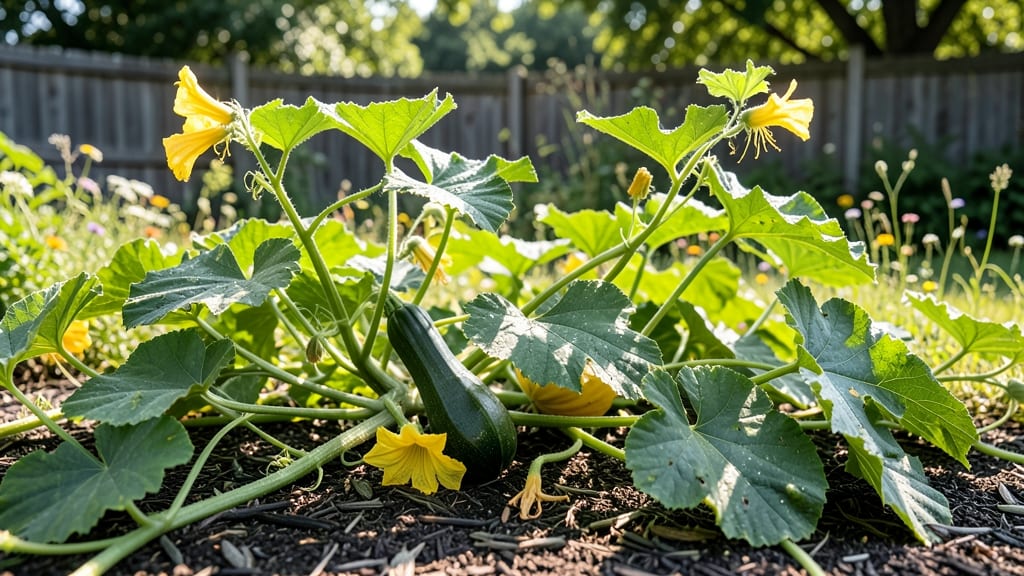
If you’ve ever wondered how tall squash plants grow and whether your garden can handle their sprawling habits, the answer might surprise you. Some squash varieties stretch like vines toward the sky, while others stay neatly contained like compact bushes—making all the difference in your planting strategy.
For vining squash like zucchini or pumpkins, you’re looking at heights of 5 to 10 feet, which means they’ll spread out or climb if given support. Meanwhile, bush varieties—such as acorn or pattypan squash—top out around 1 to 3 feet, perfect for smaller spaces or containers.
The key to managing their growth lies in understanding your variety and giving them the right conditions. Sunlight, soil quality, and even your trellising setup can influence how tall they’ll get.
Whether you’re working with a sprawling giant or a tidy bush, knowing these details helps you plan for a productive harvest.
Let’s break down the differences between vining and bush squash, so you can choose the perfect fit for your garden—and avoid any unexpected overgrowth this season.

Squash vine growth heights: vining varieties explained
If you’ve ever watched a squash vine take over your garden like a jungle vine, you’re not alone! Vining squash varieties are the tallest growers in the squash family, often reaching heights that will make you reconsider your garden layout.
These sprawlers can climb 5 to 10 feet or more, depending on the variety, and spread just as wide. Without proper management, they’ll dominate your backyard like an uninvited guest at a potluck.
But don’t let their size scare you off—many vining squash types produce bountiful harvests when given the right conditions. Varieties like zucchini, spaghetti squash, and pumpkins are classic vining squash, each with its own growth quirks.
For example, a zucchini vine can stretch 6 to 10 feet long, while a giant pumpkin vine might sprawl 15 feet or more if left unchecked. Understanding these differences helps you plan your garden layout and decide whether to let them roam free or train them vertically.
Here’s the kicker: vining squash thrive with space, but they also respond well to trellising or staking. This means you can grow them in smaller areas if you’re willing to put in a little extra effort.
Plus, training them vertically keeps fruits off the ground, reducing the risk of pests and diseases. Whether you’re a seasoned gardener or a beginner, knowing how to manage these giants will save you from a garden takeover.
| Variety | Max Height | Spread | Space Needs | Trellising? |
|---|---|---|---|---|
| Zucchini (e.g., 'Black Beauty') | 6-10 ft | 6-10 ft | Full sun, 3-4 ft apart | Yes (vertical growth) |
| Spaghetti Squash | 5-8 ft | 5-7 ft | Full sun, 3-4 ft apart | Yes (saves space) |
| Pumpkins (e.g., 'Howden') | 10-15 ft | 10-20 ft | Full sun, 4-5 ft apart | No (needs ground space) |
| Butternut Squash | 3-5 ft | 3-4 ft | Full sun, 2-3 ft apart | Yes (compact varieties) |
| Delicata Squash | 4-6 ft | 4-5 ft | Full sun, 2-3 ft apart | Optional (can sprawl) |
Take zucchini, for instance. This popular squash can grow 6 to 10 feet tall and spread just as wide, making it a classic example of a space-hogging vine. If you’re growing it in a traditional garden bed, give it 3 to 4 feet of space in all directions.
But if you’re short on space, consider trellising your zucchini. Not only does this save room, but it also keeps the fruits cleaner and easier to harvest. Just be sure to use a sturdy trellis—zucchini vines can get heavy when laden with fruit!
On the other hand, pumpkins are the champions of sprawling. A single Howden pumpkin vine can stretch 10 to 15 feet long and spread even wider, making it a backyard monster if you’re not prepared.
These vines need ample ground space, so they’re best suited for larger gardens or dedicated pumpkin patches. If you’re growing pumpkins in a small space, you might want to stick to bush varieties or plan for a huge garden plot.
Even butternut squash, which is often considered semi-bush, can still reach 3 to 5 feet tall and spread 3 to 4 feet. The good news? Many butternut varieties respond well to trellising, making them a great choice for
Squash vine growth heights: vining varieties explained
If you’ve ever watched a squash vine take over your garden like a jungle vine, you know vining squash varieties are the heavyweights of the squash world. These sprawling plants can reach heights of 5 to 10 feet, with vines stretching even further if unchecked.
The key to managing them lies in understanding their growth habits and space needs.
Popular vining squash types like zucchini, spaghetti squash, and pumpkins are notorious for their aggressive growth. A single plant can spread 10 to 20 feet in diameter, making them ideal for larger gardens or those willing to invest in trellising.
Without proper support, these vines can smother nearby plants and create a tangled mess.
For example, a butternut squash vine might grow 6 to 8 feet tall while spreading 15 feet wide, while a spaghetti squash can climb 8 to 10 feet if given vertical support.
The good news? With the right techniques, you can control their height and even turn them into vertical space-savers.
One of the best ways to manage vining squash height is by using a trellis or sturdy cage. For example, spaghetti squash thrives when trained vertically, saving 90% of ground space while producing just as many fruits.
Even zucchini can be guided upward with a simple wooden trellis or wire frame, keeping vines off the ground and reducing disease risk.
If you’re growing squash in containers, opt for compact vining varieties like ‘Eight Ball’ zucchini, which can reach 3 to 5 feet tall but stay contained in a 5-gallon pot. Just ensure the container is large enough to support root growth and provide a small trellis for climbing.
Remember, proper sunlight and watering are critical for controlling height. Vines grow fastest in full sun (6+ hours daily) and consistent moisture. Overwatering can lead to weak stems, while underwatering stunts growth. Aim for 1-2 inches of water per week, adjusting for your climate.