
How To
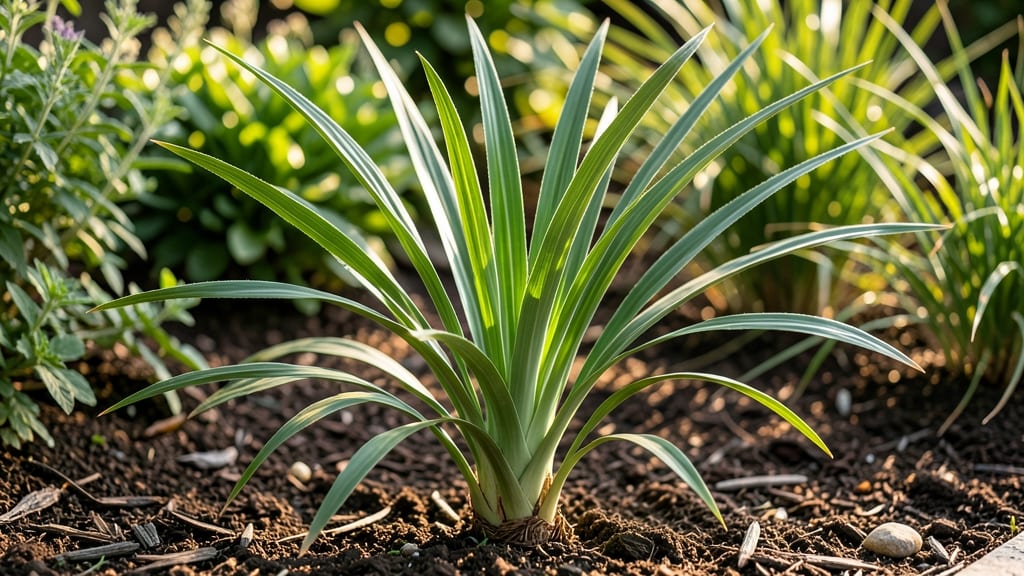
If you're wondering how tall will lemongrass grow in your garden, the answer might surprise you—this tropical herb can reach heights of 3 to 6 feet under the right conditions, making it a striking addition to your outdoor space or even a large container.
🌿 The height of your lemongrass depends on its variety, with some types like Cymbopogon citratus growing taller than others. Whether you're planting in USDA Zone 6a or a warmer climate, proper sunlight, soil, and care play a huge role in determining how big your plant will become.
Don’t worry if your space is limited—lemongrass can be pruned to control its size, and some dwarf varieties stay more compact. With the right techniques, you can enjoy fresh stalks for cooking while keeping your garden neat and manageable.
Ready to grow your own? I’ll walk you through everything you need to know to encourage healthy growth and maximize your harvest, from planting in spring to maintaining it year-round.

Lemongrass height by variety: exact growth expectations
Lemongrass (Cymbopogon citratus) is a tropical herb that can grow surprisingly tall—typically reaching 4 to 6 feet under ideal conditions. However, its height varies dramatically by variety, growing environment, and care. Understanding these differences helps you plan spacing, container sizes, or garden layouts to accommodate its growth potential.
Most home gardeners grow standard lemongrass, which matures between 4 and 5 feet tall. But dwarf varieties, like those bred for container gardening, may only reach 2 to 3 feet. The key to maximizing height lies in selecting the right variety for your space and climate.
Identifying your lemongrass variety is easier than you think. Standard types have thick, hollow stalks and long, arching leaves, while dwarf varieties often have shorter, bushier growth habits. Always check seed packets or plant tags for height expectations before planting.
For container growing, opt for dwarf or semi-dwarf varieties (3–4 feet tall) to avoid overcrowding. In-ground plantings, however, can easily accommodate taller varieties, provided they have enough space to spread their roots.
Here’s a quick comparison of the most common varieties and their mature heights:
| Variety | Mature Height | Best For | Notes |
|---|---|---|---|
| Cymbopogon citratus (Standard) | 4–6 ft | In-ground gardens | Tallest variety; needs space |
| Cymbopogon flexuosus (Lemongrass, Rosha) | 3–5 ft | Containers or small gardens | Semi-dwarf; aromatic leaves |
| Dwarf Varieties (e.g., 'Little Gem') | 2–3 ft | Pots, balconies, indoor growing | Compact; ideal for small spaces |
| Cymbopogon nardus (Citronella) | 5–7 ft | Privacy screens, large gardens | Tallest; used for mosquito repellent |
If you’re growing lemongrass in containers, choose a pot at least 12 inches deep to accommodate its root system. Standard varieties may need 18-inch pots or larger to prevent root binding, which can stunt growth.
For in-ground planting, space stalks 18 to 24 inches apart to allow airflow and reduce disease risk.
One common misconception is that lemongrass will stay small if pruned heavily. While pruning can control height, it won’t reduce the plant’s natural growth potential. Instead, focus on regular harvesting (cutting stalks at the base) to encourage bushier growth and prevent legginess.
For indoor growing, place your lemongrass near a south-facing window or under grow lights to mimic full sun. Without adequate light, even dwarf varieties may grow taller but leggy, reaching 3 to 4 feet indoors instead of their expected height.
Pro tip: If you’re growing lemongrass for culinary use, harvest stalks when they reach 12 to 18 inches tall. This encourages new growth and keeps the plant from becoming too tall and woody. Regular harvesting also prevents the plant from flowering, which can reduce its potency and flavor.
Remember, lemongrass is a perennial in warm climates (USDA zones 9–11) but is often grown as an annual in cooler regions. In colder areas, expect 3 to 4 feet of growth in a single season before the plant dies back or needs winter protection.
How climate and soil affect lemongrass height
Your lemongrass height depends heavily on climate conditions and soil quality. In warm climates like USDA Zone 8+, lemongrass thrives and can reach its full 4–6 foot potential, while cooler zones may see stunted growth unless you take extra precautions.
Lemongrass prefers temperatures between 70–90°F and struggles below 50°F. If you're in Zone 6a, plant in large containers to protect roots from frost, or grow it as an annual for the season.
🌡️ Sunlight is another critical factor—lemongrass needs 6+ hours of direct sun daily. Without enough light, stalks grow thin and weak, staying under 3 feet tall. A south-facing window works for indoor growth, but outdoor plants in partial shade may never reach their full height.
⚠️ Warning: Common Mistakes That Stunt Growth
Overwatering causes root rot, while poor drainage in heavy clay soil can suffocate roots, leading to yellowing leaves and stunted growth. Always use well-draining soil mixed with compost to encourage strong root development.
Under-fertilizing in nutrient-poor soil limits height potential—feed with a balanced 10-10-10 fertilizer every 4–6 weeks during the growing season for optimal results.
Soil pH also matters—lemongrass prefers slightly acidic to neutral soil (pH 6.0–7.0). Test your soil and amend with lime if it's too acidic, or sulfur if it's too alkaline. Compacted soil restricts root growth, so add organic matter like compost or coconut coir to improve aeration.
In container gardening, pot size affects height—small containers (under 12 inches) restrict root spread, keeping plants under 3 feet. Use at least a 15-gallon pot for mature plants to support full growth.
Finally, humidity levels play a role—lemongrass loves 60–80% humidity. In dry climates, mulch around the base to retain moisture and mist leaves occasionally to mimic tropical conditions.