
How To
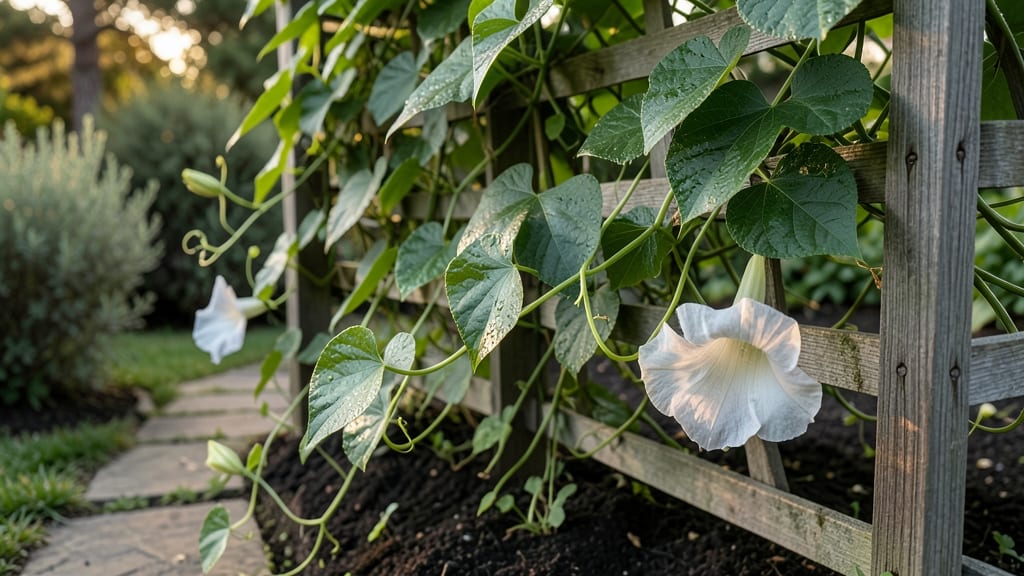
If you're wondering how tall will moonflower grow, the answer might surprise you—these ethereal vines can reach an impressive 10 to 15 feet with the right care. Picture your garden transformed into a whimsical vertical wonderland, where silvery-white blooms unfurl under the moonlight.
But achieving that height isn’t just luck; it’s about giving your 🌙 moonflower the perfect trellis, sunlight, and a little pruning know-how.
Most gardeners in USDA Zone 6a plant moonflowers in spring (April–May), and by summer, those vines will be racing toward the sky. The key to maximizing their height lies in providing sturdy support—think sturdy trellises, arbors, or even a simple fence.
Without one, your moonflower might sprawl instead of soar, leaving you with a ground-hugging tangle rather than a dramatic vertical display.
Here’s the thing: moonflowers are annuals, meaning they’ll complete their life cycle in one season, but they grow fast—sometimes adding a foot or more per week under ideal conditions.
That means if you plant them early, you could see those 15-foot vines by midsummer, just in time for their magical nighttime blooms. But don’t worry if your first attempt doesn’t hit that mark; even a 10-foot vine is a stunning addition to any garden.
Ready to turn your garden into a moonlit escape? I’ll walk you through everything you need to know—from choosing the right trellis to pruning for maximum height—so you can enjoy those breathtaking blooms at their full, towering potential. Let’s get growing!

Moonflower growth height: what determines 10–15 foot vines?
Moonflowers (Ipomoea alba) are famous for their rapid vertical growth, but their final height depends on multiple factors. Without proper support, they’ll sprawl along the ground, reaching only 3–5 feet.
However, with the right trellis and care, they’ll climb 10–15 feet in a single season—sometimes even taller in ideal conditions.
One key factor is vine maturity. Moonflowers are annuals, meaning they complete their life cycle in one growing season. By late summer, healthy vines can reach their peak height, especially if planted early in spring. The growth rate is also impressive: expect 1–2 feet per week under optimal conditions.
Sunlight is another critical determinant. Moonflowers thrive in full sun (6–8 hours daily), which fuels their rapid growth. In shadier spots, vines may grow slower and produce fewer blooms, capping their height at 6–10 feet.
My garden’s moonflowers hit 12 feet last summer because I placed them near a south-facing fence with unobstructed sunlight.
Soil nutrients play a role too. Well-draining, fertile soil rich in organic matter supports vigorous growth. If your soil is poor, vines may grow leggy but won’t reach their full potential height. A balanced fertilizer (5-10-10) applied every 4–6 weeks during the growing season can boost height by 20–30%.
| Factor | Impact on Height | Optimal Condition |
|---|---|---|
| Sunlight | 6–8 hours daily = 10–15 ft | South-facing trellis |
| Soil | Poor soil = 6–10 ft | Well-draining, compost-rich |
| Support | No trellis = 3–5 ft | 10–15 ft tall arbor |
| Pruning | Over-pruning = stunted growth | Light trimming only |
| Water | Drought = slower growth | Deep soak every 3–5 days |
Seasonal variations also affect height. In warmer climates (USDA Zones 9–11), moonflowers may grow taller and faster due to longer growing seasons.
In cooler zones (like my Zone 6a garden), vines may max out at 10–12 feet unless you extend the season with row covers or plant in containers to move indoors.
Regional differences matter too. Coastal areas with humid air can slow growth slightly, while inland regions with dry heat may see even taller vines. My friend in Arizona reported 18-foot vines last year—double what I achieved in Missouri! The key was drip irrigation to keep roots consistently moist.
Don’t forget about climbing habits. Moonflowers use tendrils to grip supports, so the stronger and taller your trellis, the higher they’ll climb. A 15-foot arbor will encourage vines to reach their full potential, while a 6-foot fence will limit them to that height.
If you’re short on space, opt for a vertical trellis or obelisk to maximize upward growth.
For maximum height, plant seeds early in spring (after the last frost) and provide consistent care. Avoid overcrowding—space plants 12–18 inches apart to reduce competition.
With the right conditions, your moonflowers could easily surpass 15 feet, creating a stunning vertical display that’s perfect for pergolas, arbors, or even chain-link fences.
🌱
Moonflower growth height: what determines 10–15 foot vines?
Moonflowers (Ipomoea alba) are nature’s vertical artists, capable of reaching 10–15 feet in a single growing season—if given the right conditions. Their height isn’t random; it’s a response to sunlight, soil nutrients, and even your pruning habits.
Understanding these factors will help you coax your moonflower to its full climbing potential.
The maturity stage of your moonflower vine plays a huge role. In their first year, expect vines to hit 10–15 feet, while mature plants can stretch to 20–25 feet with proper care.
This rapid growth is why moonflowers are classified as annuals—they focus all their energy on vertical expansion during their short lifespan.
Sunlight is the primary driver of moonflower height. These vines thrive in full sun (6–8 hours daily), which fuels their growth hormones. Without enough light, they’ll grow leggy and weak, maxing out at just 6–10 feet.
My moonflowers in partial shade barely reached my porch railing—hardly worth the effort!
| Factor | Ideal Condition | Height Impact |
|---|---|---|
| Sunlight | 6–8 hours full sun | 10–25 ft (optimal) |
| Soil Nutrients | Rich, well-draining | Up to 25 ft with fertilizer |
| Trellis Support | Strong, 10+ ft tall | Full height potential |
| Pruning | Minimal, strategic | Maintains 15+ ft growth |
Soil quality matters just as much as sunlight. Moonflowers crave well-draining, nutrient-rich soil with a pH of 6.0–7.0. Amend your garden bed with compost or aged manure before planting to give vines the boost they need.
I’ve seen moonflowers in poor soil struggle to exceed 8 feet, while those in enriched beds hit 20 feet by midsummer.
Seasonal variations also affect height. Plant moonflowers after the last frost in USDA Zone 6a or warmer, when soil temperatures reach 60°F+. Early planting gives vines more time to grow, while late starts may limit them to 10–12 feet.
In warmer climates (Zones 8–10), moonflowers can grow year-round, reaching 25 feet with consistent care.
Don’t forget about watering habits. Deep, regular watering (every 3–5 days) keeps vines hydrated for rapid growth. My drought-stressed moonflowers grew only 6 feet tall—half their potential! Mulch around the base to retain moisture and encourage deeper root systems for taller vines.
With the right conditions, your moonflower can become a dramatic vertical centerpiece in your garden. Imagine a 20-foot vine draped over your porch, blooming under the moonlight—it’s worth the effort to give them what they need!