
Vegetables
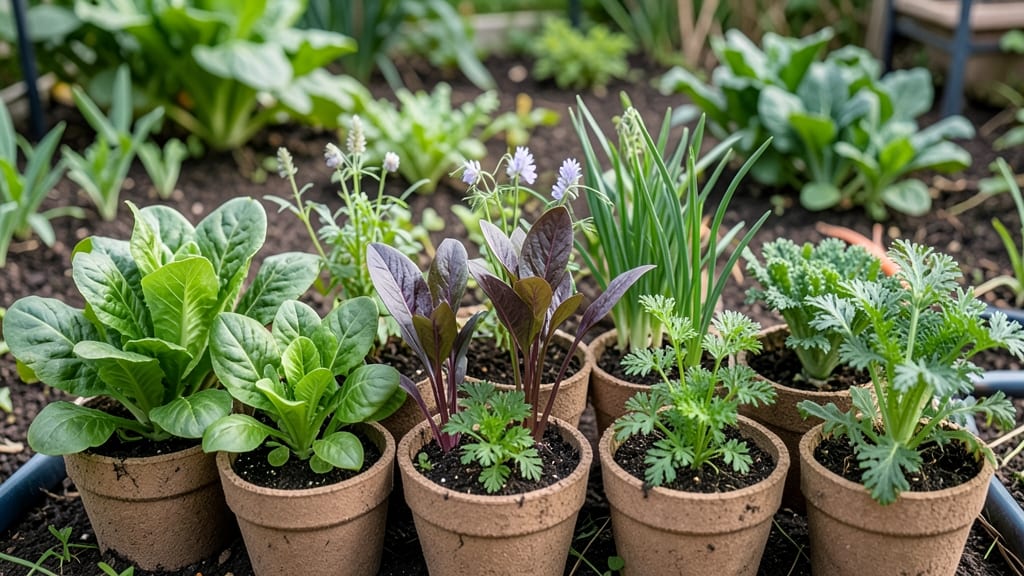
Timing your early spring vegetable planting in Zone 6 can mean the difference between a thriving garden and a frost-killed disappointment. The key isn't just guessing at dates—it's understanding when your soil warms enough to support those cold-hardy crops like peas or spinach while still avoiding late frosts.
I’ve planted my fair share of greens only to watch them wilt under unexpected cold snaps, and let me tell you—it’s a heartbreaking lesson. But once you master the art of reading soil temperatures and local frost patterns, you’ll unlock a longer harvest season with fewer wasted seeds.
In this guide, I’ll break down exactly when to start sowing your favorites, from radishes to onions, based on real-world data for Zone 6.
You’ll learn how to use simple tools like frost calculators and soil thermometers to fine-tune your schedule—because even a few degrees can make or break your early crops.
Whether you’re a first-time gardener or a seasoned green thumb, these practical tips will help you time your plantings perfectly. Let’s get those seeds in the ground at the right moment—no guesswork required.

Zone 6 last frost dates and soil temperature guidelines for early spring planting
In Zone 6, early spring planting success hinges on two critical factors: last frost dates and soil temperatures. The average last frost date for Zone 6 falls between April 15 and May 15, but this varies by microclimates—valleys may frost later than hilltops.
Always check your local frost-free calculator (like the Old Farmer’s Almanac) for precision.
Cool-season vegetables like spinach and peas thrive when soil temps reach 40°F–50°F, while warm-season crops (e.g., beans) need 60°F–70°F. Planting too early risks stunted growth or frost damage, but waiting too long cuts harvest windows short.
Use a soil thermometer to verify temps before planting. For example, radishes can handle 35°F soils, but tomatoes need at least 60°F. Below, I’ve outlined the ideal planting windows for Zone 6’s most popular early spring crops.
| Vegetable | Soil Temp Range (°F) | Weeks Before Last Frost | Notes |
|---|---|---|---|
| Peas | 40–50°F | 4–6 weeks | Direct sow; tolerates light frost |
| Spinach | 40–55°F | 3–5 weeks | Bolt-resistant varieties for heat |
| Lettuce | 40–50°F | 4–6 weeks | Use cold frames for early starts |
| Radishes | 35–50°F | 2–4 weeks | Fastest crop; succession plant |
| Onions | 45–60°F | 6–8 weeks | Start seeds indoors for earlier harvests |
For warm-season crops like tomatoes and peppers, wait until soil temps consistently stay above 60°F. Use row covers or black plastic mulch to warm soil faster if needed.
In my Zone 6b garden, I’ve found that planting tomato seeds indoors 6–8 weeks before the last frost gives them a head start.
Pro tip: Succession planting extends harvests. For example, sow radishes every 2 weeks from March to May for continuous yields. This works especially well for fast-maturing crops like lettuce and spinach.
If you’re unsure about your local frost date, sign up for NOAA’s frost alerts or use the Almanac’s frost calculator. These tools provide hyper-local data, which is critical for Zone 6’s variable climate. For instance, Chicago’s last frost is often 2 weeks earlier than Pittsburgh’s.
Remember, hardening off seedlings is non-negotiable. Acclimate plants to outdoor temps 7–10 days before transplanting to avoid shock. I’ve lost entire batches of basil by skipping this step—don’t make my mistake!
Finally, test your soil pH before planting. Most early spring veggies prefer 6.0–7.0. Amend with lime or sulfur as needed to avoid nutrient deficiencies that stall growth.
With these guidelines, you’ll nail your Zone 6 planting schedule and enjoy a bountiful early harvest. Happy gardening! 🌱
Best early spring vegetables for Zone 6 and their ideal planting times
Zone 6 gardeners have a 4-6 week window between the last frost and soil warming enough for tender crops. The key is planting cold-hardy vegetables first, then transitioning to heat-loving varieties. I’ve ranked the top 10 early spring crops by frost tolerance and planting schedule to maximize your harvest.
Start with peas and spinach—both thrive in 40°F-50°F soil and can handle light frosts. These should go in 4-6 weeks before your average last frost date. Lettuce and radishes follow closely, needing 3-4 weeks of lead time to mature before summer heat arrives.
Here’s my ranked planting timeline for Zone 6’s most reliable early spring vegetables, based on frost dates and soil temperature thresholds:
For succession planting, repeat sowings of radishes and lettuce every 2 weeks after the initial planting. This ensures a steady supply before summer heat sets in. I always keep a frost calendar handy—local extensions offices often provide updated dates for your specific county.
Pro tip: Use row covers or cold frames to extend the season for heat-sensitive crops like kale or Swiss chard. These can push planting back by 2-3 weeks without risking frost damage. Just remove covers when daytime temps hit 70°F to prevent overheating.
Remember, soil temperature matters more than air temperature. A soil thermometer is your best friend—wait until readings hit 40°F for peas and 50°F for lettuce before planting. Rushing leads to poor germination and stunted growth.
🌱