
How To
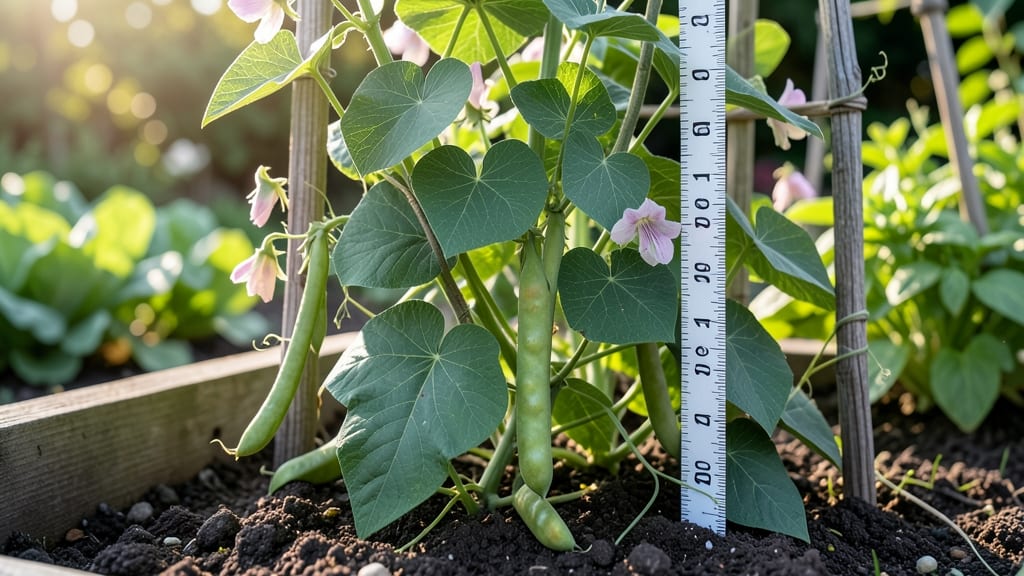
If you're wondering how tall will sugar snap peas grow, you might be surprised to learn that these little seeds can transform into towering plants reaching up to 8 feet tall when given the right support.
That's why choosing the right variety and planting strategy is key—whether you have limited space or dream of a lush vertical garden, your Sugar Snap Pea 🌱 can thrive with the proper setup.
The difference between dwarf varieties (staying under 2 feet) and vining types (shooting up to 8 feet) can completely change how you plan your garden layout. Without proper support, even the tallest varieties can sprawl, leading to tangled vines and fewer pods.
But with a simple trellis or stakes, you'll maximize growth and make harvesting a breeze.
What most gardeners don't realize is that the right spacing and support can turn a potential mess into a productive, space-saving harvest. Whether you're working with a small balcony or a sprawling backyard, understanding these growth habits will help you get the most out of your Sugar Snap Pea plants.
Let's break down exactly what you need to know to set yours up for success.
From choosing the perfect variety for your space to setting up the ideal trellis, we'll cover all the essentials so you can enjoy a bountiful harvest.
Whether you're a first-time gardener or a seasoned pro, these insights will help you grow Sugar Snap Peas that reach their full potential—and maybe even impress your neighbors with their impressive height!

Exact height ranges for sugar snap peas: dwarf vs vining varieties compared
Sugar snap peas are a gardener’s dream for vertical growth, but their mature heights can vary dramatically depending on the variety you choose.
Most gardeners assume all sugar snap peas climb like vines, but dwarf varieties exist too—some stay under 2 feet tall while others reach 8 feet or more with proper support. Knowing these differences helps you plan trellises, spacing, and even container setups to maximize your harvest.
If you’re working with limited space, dwarf varieties like 'Sugar Sprint' or 'Tom Thumb' are perfect—they top out at just 18–24 inches but still produce sweet, crisp pods. These compact types thrive in containers or small gardens where tall vines would sprawl uncontrollably.
On the flip side, traditional vining types like 'Super Sugar Snap' or 'Oregon Sugar Pod' can climb 5–8 feet when given sturdy trellises, making them ideal for fences, arbors, or even garage walls.
Here’s the key distinction: dwarf varieties focus on bushy growth with shorter vines, while vining types prioritize height and require vertical support from day one.
Without proper trellising, even dwarf varieties may sprawl, but vining types will flop dramatically without support, leading to tangled pods and poor airflow—both of which invite pests and disease.
One misconception I see often is assuming all sugar snap peas need full 8-foot trellises. In reality, many gardeners successfully grow vining types on 5-foot trellises or even DIY bamboo stakes, saving space without sacrificing yield.
The secret? Start training vines upward as soon as they sprout—this encourages them to climb vertically instead of sprawling horizontally.
For container gardening, dwarf varieties are the clear winners. A 5-gallon pot can comfortably hold 2–3 'Tom Thumb' plants with a small cage, while vining types need at least 10-gallon containers and a sturdy trellis to avoid root-bound stress.
Even in-ground, vining peas benefit from wide-row planting (6 inches apart) to reduce competition for nutrients as they grow taller.
Another factor affecting height is soil fertility. While sugar snap peas aren’t heavy feeders, phosphorus-rich soil (via compost or bone meal) promotes stronger vine development in taller varieties. Over-fertilizing with nitrogen, however, can lead to leafy growth at the expense of pods, so balance is key.
Aim for a 5-10-10 NPK ratio when side-dressing vining types mid-season.
If you’re in a cool climate (USDA Zones 3–6), vining varieties often grow taller and more vigorously due to longer daylight hours. In warmer zones (7–10), they may mature faster but stay slightly shorter unless given consistent moisture.
Drought stress can stunt growth, so mulch heavily around the base to retain soil moisture—especially for tall vines.
For urban gardeners with limited space, consider high-rise trellis systems like A-frame designs or wall-mounted trellises. These let you grow vining sugar snap peas in small patios or balconies while keeping them off the ground.
Just ensure your trellis can support 10+ pounds per plant at maturity, as heavy pods can bend flimsy supports.
Remember: the earliest varieties (like 'Sugar Ann') often have slightly shorter vines but produce pods 10–14 days faster than late-season types. If you’re planting in short-season areas, prioritize these for a quicker harvest—even if they top out at 6 feet instead of 8.
Exact height ranges for sugar snap peas: dwarf vs vining varieties compared
Sugar snap peas can vary dramatically in height depending on the variety you choose, with some staying compact while others climb like vines. Most gardeners assume all sugar snap peas reach towering heights, but dwarf varieties stay between 18–24 inches tall, making them perfect for containers or small gardens.
Meanwhile, vining varieties can shoot up to 5–8 feet when given proper trellis support.
Understanding these differences is key because height impacts spacing, support needs, and even harvest timing. A 6-foot trellis might be overkill for dwarf varieties but essential for vining types. The right support structure transforms sprawling plants into neat, high-yielding vertical gardens.
| Variety Type | Height Range | Spacing Needs | Support Required |
|---|---|---|---|
| Dwarf Varieties | 18–24 inches | 3–4 inches apart | Low cages or no support |
| Semi-Dwarf Varieties | 3–5 feet | 4–6 inches apart | Medium-height trellis |
| Vining Varieties | 5–8 feet | 4–6 inches apart | Tall trellis or stakes |
Vining varieties like 'Super Sugar Snap' or 'Oregon Sugar Pod' are the heavyweights of the group, often reaching 7–8 feet with proper care. These types thrive when given vertical support, which prevents disease and improves airflow.
In contrast, dwarf varieties like 'Sugar Sprint' stay bushy and compact, ideal for balcony gardens or small plots.
Another factor influencing height is maturity timeline. Vining varieties typically take 60–75 days to reach full height and produce pods, while dwarf types mature in 50–60 days. This means vining peas often require earlier planting to maximize their growth potential before cooler weather sets in.
If you’re short on space but still want a bountiful harvest, consider semi-dwarf varieties like 'Sugar Ann', which strike a balance at 3–5 feet tall. These work well in raised beds or along fences, offering a middle-ground solution for gardeners with limited vertical clearance.
Remember, even vining varieties can be coaxed to grow taller with proper trellis training and consistent watering. The key is to provide support early—once vines reach 6 inches, they’ll latch onto structures and climb aggressively. Without support, vining peas sprawl, leading to tangled messes and reduced yields.