
How To
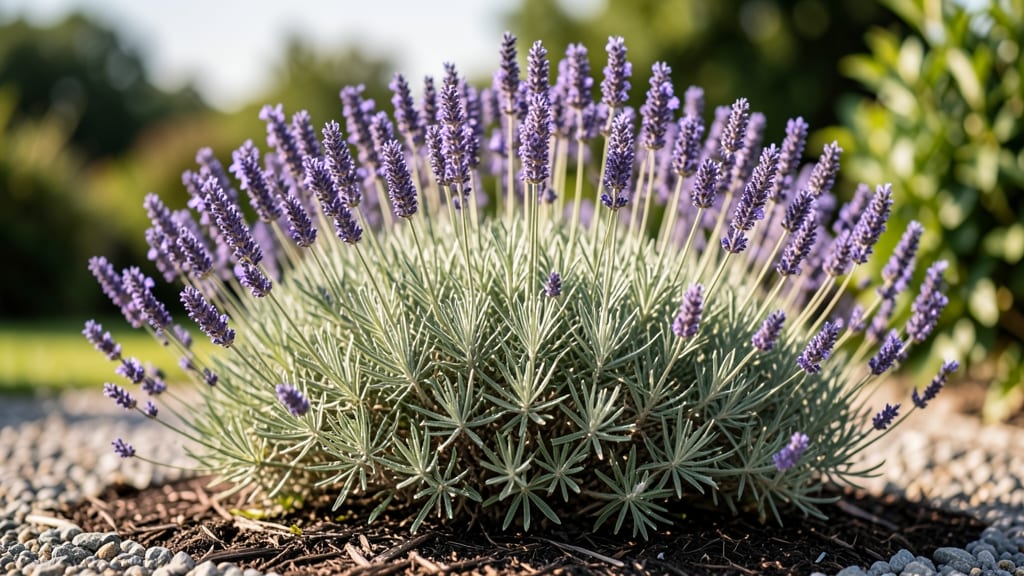
If you're planning your lavender garden, knowing how tall lavender grows makes all the difference between a delicate border and a bold statement plant. Some varieties stay compact at just 1-2 feet, perfect for edging walkways, while others reach 3-4 feet, ideal for privacy screens or pollinator-friendly hedges.
This height variation isn't random—it's all about the cultivar. English lavender typically stays on the shorter side, while French and Spanish varieties often grow taller. The good news? With proper spacing and pruning, you can control whether your lavender stays dwarf-sized or grows into a lush, fragrant hedge.
Whether you're working with USDA Zone 6a conditions or a container garden, understanding these growth patterns helps you design a space that thrives. Let's break down the height ranges, cultivation tips, and how to keep your lavender looking its best year after year.
From selecting the right variety for your layout to mastering pruning techniques, you'll discover how to create a lavender garden that fits your vision—whether you dream of a low, fragrant carpet or a towering, aromatic backdrop. Ready to plan your perfect lavender height?

Lavender height ranges by cultivar: from dwarf to giant varieties
When planning your lavender garden, the first question is always: how tall will it grow? The answer depends entirely on the cultivar you choose, as some varieties stay as short as 12 inches while others reach 4 feet or more.
Understanding these differences helps you design borders, hedges, or pollinator-friendly plantings with precision.
Lavender heights fall into four broad categories: dwarf, compact, standard, and giant. Each category serves different garden purposes—whether you need a low ground cover, a privacy hedge, or a tall backdrop for other plants.
Let’s break down the most popular varieties by their mature height ranges.
For example, 'Hidcote' stays under 18 inches, making it perfect for rock gardens or container growing, while 'Provence' can tower over 4 feet, ideal for creating a natural privacy screen.
Even within the same category, growth habits vary—French lavender tends to be taller and bushier than English lavender, which stays more compact.
If you’re growing lavender in containers, dwarf varieties like 'Mini Blue' thrive in 12-inch pots, while standard types need 18-inch containers to accommodate their root systems. Always check the cultivar’s mature height before planting to avoid overcrowding or underutilized space.
Another key factor is growth habit. Some lavender varieties grow upright and woody, while others spread outward in low mounds. For instance, 'Lavender Lady' spreads 2 feet wide but only grows 18 inches tall, making it ideal for ground cover in sunny areas.
Mixing heights and habits creates visual interest and maximizes your garden’s potential.
When selecting lavender for pollinator gardens, taller varieties like 'Provence' provide better visibility for bees and butterflies, while dwarf types offer low-level nectar sources. Pairing 3-foot lavender with 1-foot thyme layers creates a dynamic ecosystem that attracts a wider range of beneficial insects.
Pro tip: Check the plant tag or nursery description for the expected mature height—this is often listed alongside sunlight requirements and spacing guidelines. If you’re unsure, err on the side of more space, as lavender hates root competition and overcrowding can stunt growth or invite pests.
For first-time growers, starting with a compact variety like 'Munstead' is a great choice. It’s low-maintenance, disease-resistant, and reaches a manageable 24 inches—perfect for learning the basics of lavender care without overwhelming your garden layout.
Remember, these height ranges are approximate and can vary based on climate, soil quality, and pruning habits. In cooler climates, lavender may grow slightly shorter, while hot, dry summers can encourage taller, leggier growth. We’ll dive deeper into how to control lavender height in the next section!
Lavender height ranges by cultivar: from dwarf to giant varieties
When planning your lavender garden, knowing the mature height of each cultivar helps you design borders, hedges, or pollinator-friendly pathways with precision. Some varieties stay compact enough for window boxes, while others reach heights that make them perfect for privacy screens.
The key difference lies in their genetic growth habits—whether they're bred for dwarf stature or tall, woody stems.
For example, English lavender (like 'Munstead' or 'Hidcote') typically tops out at 1–3 feet, making them ideal for low hedges or container gardening. Meanwhile, French lavender (such as 'Grosso' or 'Provence') can soar to 3–5 feet, creating dramatic vertical accents in herb gardens or landscape borders.
Spanish lavender ('Lavandula stoechas') often falls in between, with heights of 2–4 feet and a distinctive "rabbit ear" bloom shape.
| Variety | Mature Height | Growth Habit | Best For |
|---|---|---|---|
| Dwarf English ('Lavender 'Little Lady'') | 1–1.5 ft | Bushy, rounded | Containers, window boxes |
| English ('Munstead') | 2–3 ft | Upright, woody | Hedges, borders |
| French ('Grosso') | 3–5 ft | Tall, sprawling | Privacy screens, pollinator gardens |
| Spanish ('Papillon') | 2–4 ft | Compact, bushy | Rock gardens, borders |
Even within the same cultivar, height can vary based on growing conditions. For instance, French lavender in poor, rocky soil may stay shorter than when planted in richer garden beds.
Conversely, over-fertilizing can lead to leggy growth and reduced fragrance—so always prioritize well-draining soil and full sun exposure (6+ hours daily) to encourage healthy, proportional growth.
If you're aiming for a uniform height, regular pruning in late spring or early summer helps control sprawl. For taller varieties, prune back by one-third to maintain shape, while dwarf lavender benefits from light trimming to encourage bushiness.
Just avoid cutting into old wood, as lavender struggles to regrow from woody stems.
Pro tip: Pair tall lavender (like 'Grosso') with shorter perennials (e.g., rosemary or thyme) to create layered textures. This not only maximizes vertical space but also attracts bees and butterflies throughout the growing season.
Remember, lavender’s height isn’t the only factor—its spread matters too! Most varieties widen by 2–3 feet at maturity, so plan spacing accordingly to avoid overcrowding. For container gardening, choose dwarf varieties and ensure pots have drainage holes to prevent root rot.