
Watering
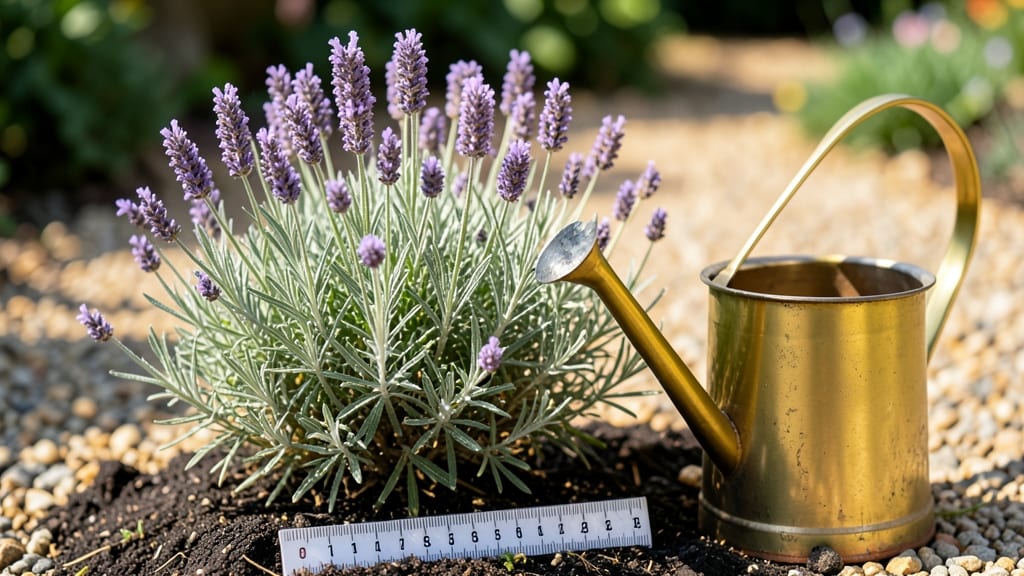
The lavender plant how much water question is the difference between a thriving, fragrant bush and one that wilts away—yet most gardeners guess wrong. This drought-loving herb despises soggy roots, yet many still drown it with good intentions. I’ve learned the hard way that lavender’s needs are simpler than they seem: less is almost always more.
If you’re struggling to keep your 🌿 lavender alive, you’re not alone. The key isn’t a strict schedule—it’s understanding when the soil is truly dry.
In USDA Zone 6a, where I’ve grown mine for years, I’ve cracked the code: water deeply but infrequently, and only when the top inch of soil feels bone-dry. This approach mirrors lavender’s natural Mediterranean habitat, where it thrives on neglect rather than attention.
What you’ll discover here isn’t just about frequency—it’s about technique. We’ll cover the best times to water (early morning, always), how to tell if you’re overdoing it, and why your lavender might still look thirsty even when it’s not.
No more second-guessing whether to water or not—just clear, practical steps to keep your plant happy without the guesswork.
Ready to stop killing your lavender? Let’s dive into the exact watering routine that’s saved my plants—and will work for yours too. Your fragrant, flourishing bush starts with one simple rule: water less, but deeper.

How often to water lavender plants based on soil and climate
Lavender thrives on neglect, not attention—especially when it comes to water. These Mediterranean natives evolved in rocky, dry soils where rainfall is scarce. My biggest lesson? Lavender plants prefer thirst over hydration.
The key is understanding how your local climate and soil type affect watering needs, because a sandy desert garden and a humid Pacific Northwest yard require totally different approaches.
Most gardeners make two critical mistakes: watering too often or assuming all lavender varieties have identical needs. English lavender (like 'Munstead') handles moisture slightly better than Spanish lavender (like 'Papillon'), but even they’ll protest if their roots stay soggy.
Let’s break down the science so you can water with confidence—not guesswork.
🌱
Let’s start with the soil test—your first clue. Stick your finger 2 inches deep into the soil. If it feels bone-dry, it’s time to water. If it’s damp but not soggy, wait another week.
I’ve seen lavender revive from neglect but never from constant moisture. The root zone should dry out completely between waterings, especially in well-draining soils.
Climate plays a huge role. In hot, dry summers (like my Zone 7 backyard), lavender can go 6-8 weeks without water once established. But in humid climates (like the Pacific Northwest), I’ve had to water every 10-14 days or risk fungal issues.
The trick? Mulch heavily with gravel or straw to mimic its native habitat and reduce evaporation.
Seasonal shifts matter too. Spring is when lavender wakes up—give it light, frequent water to encourage new growth. By summer, switch to deep, infrequent waterings to strengthen roots. In fall and winter, most lavender enters dormancy; I barely water at all unless we’re in a prolonged drought.
Even then, I’d rather see wilting leaves than risk root rot.
Pro tip: Water at the base, not over the foliage. Lavender hates wet leaves, which can lead to powdery mildew. Use a soaker hose or drip irrigation to deliver water slowly and deeply.
If you’re using pots, ensure they have drainage holes—I’ve lost too many lavender plants to soggy bottoms in decorative containers.
One more critical point: Newly planted lavender needs more frequent watering—every 5-7 days for the first month—to help roots establish. After that, back off dramatically. My hardest lesson?
A 3-year-old lavender bush in my garden survived a 3-month drought with no ill effects, while a 1-year-old nearly died from weekly watering.
Signs your lavender is overwatered (and how to fix it)
Overwatering lavender is like giving a desert plant a daily shower—it doesn’t know how to handle it. The first warning sign is yellowing leaves, especially on the lower stems. Unlike underwatering (where leaves turn crispy brown), overwatered lavender leaves stay soft and slimy to the touch.
I once mistook this for nutrient deficiency until I noticed mushy stems at the base—classic root rot in action.
Another dead giveaway? White or gray powder on leaves or stems—that’s powdery mildew, a fungal infection thriving in damp conditions. My 'Hidcote' lavender developed this after I ignored the dull, spotted foliage for too long.
The moment I reduced watering and improved airflow, the mildew vanished within 10 days.
🌱
- Yellow, mushy leaves (not crispy brown)
- White/gray powder on stems (fungus)
- Soft, collapsing stems at soil line
If you catch the problem early, recovery is straightforward. First, stop watering entirely for 2 weeks to let the roots dry out. In my Zone 6a garden, I’ve revived lavender this way—even plants that looked almost dead.
For severe cases, dig up the plant, trim away blackened roots, and repot it in fresh, gritty soil (I use a mix of potting soil and perlite at a 2:1 ratio).
Prevention starts with proper drainage. If your lavender is in containers, ensure they have drainage holes and use a well-draining mix. In garden beds, amend heavy clay soil with sand or gravel to improve airflow.
I’ve seen lavender thrive in rocky soil where water drains away instantly—mimic this in your own space.
One common mistake is watering based on a schedule rather than the plant’s needs. Lavender in containers dries out faster than in-ground plants, so check soil moisture daily in summer. Stick your finger 2 inches deep—if it’s damp, wait.
If it’s dry, water deeply until it runs out the drainage holes. This method saved my 'Grosso' lavender last summer when a heatwave hit.
Remember: wilting lavender isn’t always thirsty. It could be overwatered, underwatered, or even stressed from too much sun. The key difference? Overwatered lavender wilts slowly with soft stems, while underwatered lavender wilts quickly with crispy edges.
When in doubt, let the soil dry out—lavender would rather struggle a little than drown completely.