
Watering
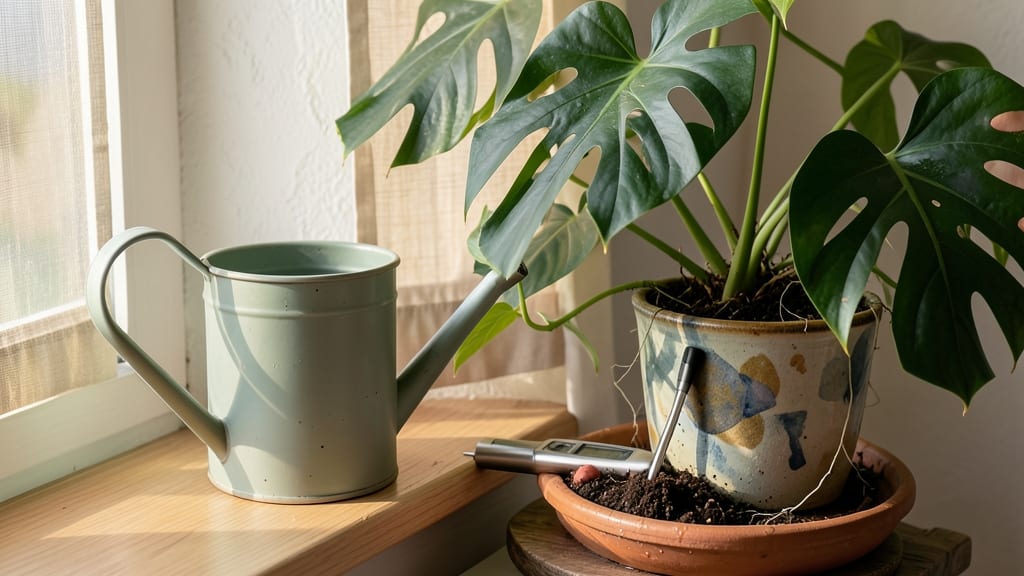
The monstera plant how much water question is the difference between a thriving, leafy beauty and a sad, yellowing mess. Most plant parents overdo it—drowning their Monstera 🌿 in well-intentioned watering sessions that actually suffocate the roots. I’ve seen it happen too many times, and the fix is simpler than you think.
Here’s the truth: Monsteras are tropical divas that love moisture but despise soggy feet. They’ll forgive occasional neglect, but they never forgive standing water. The key isn’t guessing—it’s checking the soil’s moisture level and adjusting for your home’s humidity, pot size, and even the season.
Let me show you exactly how to strike that perfect balance without turning your plant into a science experiment.
You’ll learn the exact watering schedule for your Monstera’s stage of life, from tiny babies to mature vines. Plus, I’ll reveal the 5 most common watering mistakes that cause yellow leaves and root rot—mistakes even experienced growers make.
No more second-guessing when to water or how much. Just healthy, happy growth.
Ready to transform your Monstera from struggling survivor to showstopper? Let’s dive into the science-backed routine that’ll keep those iconic split leaves reaching for the sky—without the guesswork.

Monstera watering schedule: exact frequency by season and pot size
Your Monstera Deliciosa thrives on consistency—too much water causes root rot, while too little stunts its iconic split leaves. The key is understanding how seasonal changes and pot size alter its moisture needs.
For example, a 6-inch pot dries faster than a 12-inch pot, and summer heat demands more frequent watering than winter's dormancy.
Start by checking the top 1-2 inches of soil with your finger. If it feels dry, it's time to water. For young Monsteras, this might mean watering every 5-7 days in summer, while mature plants in larger pots may only need water every 10-14 days in winter.
Always water until water drains from the bottom—this ensures roots get oxygen and prevents suffocation.
🌱
| Season | Pot Size | Watering Frequency | Soil Check | Water Amount |
|---|---|---|---|---|
| Spring | 6-inch | Every 5-7 days | Top 1 inch dry | 300-400ml |
| Spring | 12-inch | Every 7-10 days | Top 2 inches dry | 500-600ml |
| Summer | 6-inch | Every 4-5 days | Top 1 inch dry | 400-500ml |
| Summer | 12-inch | Every 5-7 days | Top 2 inches dry | 600-800ml |
| Fall/Winter | 6-inch | Every 10-14 days | Top 2 inches dry | 200-300ml |
| Fall/Winter | 12-inch | Every 14-21 days | Top 3 inches dry | 300-400ml |
*Adjust based on humidity levels—dry air increases evaporation.
In spring and summer, your Monstera enters its growth phase, so it drinks more water. Place your finger 1-2 inches deep in the soil—if it’s dry, water thoroughly.
For smaller pots, this might mean watering every 4-5 days, while larger pots can go longer. Always use room-temperature water to avoid shocking the roots.
During fall and winter, growth slows, and your Monstera needs less frequent watering. Reduce to every 10-14 days and let the soil dry out more between waterings. Overwatering in winter is a common mistake—yellow leaves or mushy stems are red flags for root rot.
If you notice these signs, stop watering immediately and repot in fresh, dry soil.
Pro tip: Group your Monsteras with other houseplants to create a microclimate. The extra humidity from neighboring plants reduces the need for frequent watering, especially in dry indoor environments like heated homes or air-conditioned offices.
A quick spray of water on the leaves once a week mimics the tropical conditions your Monstera loves.
💧
If you're unsure whether to water, lift the pot—if it feels lightweight, it’s time. For container-grown Monsteras, consider upgrading to a <
Monstera watering schedule: exact frequency by season and pot size
Your Monstera Deliciosa thrives on a consistent moisture balance—too little causes droopy leaves, while too much triggers root rot. The key lies in adjusting your watering frequency based on seasonal changes and your pot's size.
For example, a 6-inch pot dries out faster than a 12-inch container, requiring more frequent checks.
During spring and summer, your Monstera enters its active growth phase, demanding more water. Aim to water every 5-7 days when the top 1-2 inches of soil feel dry to the touch.
In fall and winter, growth slows, so stretch your watering to every 10-14 days. Always water in the morning to prevent fungal growth from prolonged moisture on leaves.
🌱 Monstera Watering Schedule by Season & Pot Size
| Season | Pot Size | Watering Frequency | Soil Check |
|---|---|---|---|
| Spring | 6-inch pot | Every 5-7 days | Top 1-2 inches dry |
| Spring | 12-inch pot | Every 7-10 days | Top 2-3 inches dry |
| Summer | 6-inch pot | Every 4-5 days | Top 1 inch dry |
| Fall | 12-inch pot | Every 10-14 days | Top 2-3 inches dry |
| Winter | 6-inch pot | Every 14-21 days | Top 2 inches dry |
💧 Pro Tip: Use the finger test—insert your finger 1-2 inches deep into the soil. If it feels dry, it's time to water.
Your Monstera’s soil mix plays a crucial role in water retention. A chunky blend of peat moss, perlite, and orchid bark (60:20:20 ratio) drains faster than heavy garden soil, reducing the risk of overwatering.
Always use a pot with drainage holes—no exceptions! Without them, excess water pools at the roots, creating a breeding ground for root rot.
Watch for visual cues like yellowing leaves or drooping fronds, which often signal overwatering. Conversely, crispy leaf edges or a lightweight pot indicate underwatering. Adjust your schedule based on these signs, and remember: Morning watering gives your Monstera’s leaves time to dry, preventing fungal infections like powdery mildew.
For mature Monsteras in larger pots, reduce frequency to every 10-14 days in winter, even if the soil feels dry at the surface. The roots store moisture, so trust the finger test deeper in the pot.
If you’re unsure, underwater slightly—your plant will recover faster from thirst than from rot.
🌿 Final Tip: Group your Monsteras with other humidity-loving plants like Philodendrons or Ferns to create a microclimate. This natural humidity boost means you can water 10-15% less while keeping your plant thriving.