
How To
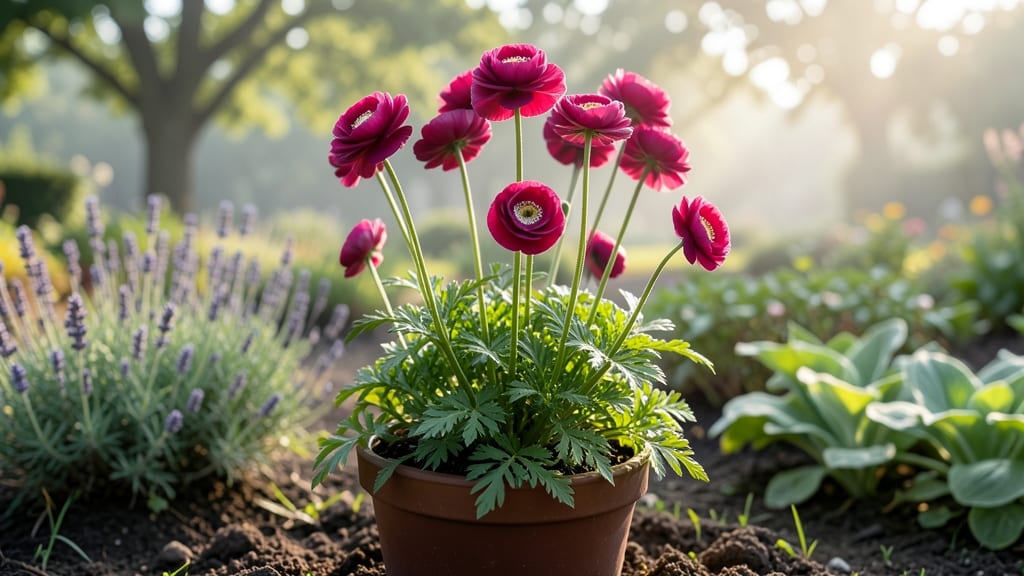
If you're wondering how tall Ranunculus 🌸 grow, you're not alone—this delicate flower's height can make or break your garden design plans. Most varieties reach between 6 and 18 inches, but some dwarf types stay compact, while others stretch taller for stunning cut arrangements.
Understanding these height variations is key to choosing the perfect Ranunculus for your space. Whether you're working with containers, borders, or mixed flower beds, knowing what to expect helps you create a cohesive and visually balanced garden.
In this guide, I’ll break down the height ranges by variety, share tips for encouraging optimal growth, and show you how to use Ranunculus to add texture and dimension to your outdoor space.
From dwarf varieties that thrive in pots to taller types perfect for back-of-border planting, you’ll discover exactly how to maximize their potential—no matter your garden’s size or style.

Ranunculus height by variety: compact vs. towering types
When planning your garden, knowing ranunculus height is key to creating visual harmony. These delicate blooms come in stunning varieties, each with distinct growth habits. From dwarf ranunculus perfect for containers to tall ranunculus ideal for cut flower arrangements, understanding their mature sizes helps you design a balanced, thriving garden.
Most ranunculus flowers reach heights between 6 to 18 inches, but some varieties can stretch up to 24 inches with proper care. The difference often comes down to the variety type—whether you choose compact ranunculus for borders or tall ranunculus for back-of-bed displays.
Let’s explore the height ranges so you can pick the perfect fit for your space.
🌸
| Variety Type | Height Range | Best For | Growth Habit |
|---|---|---|---|
| Dwarf Ranunculus | 6–12 inches | Containers, window boxes, rock gardens | Compact, bushy, low-maintenance |
| Semi-Dwarf Ranunculus | 12–16 inches | Borders, mixed flower beds, small cut arrangements | Moderate height, sturdy stems |
| Standard Ranunculus | 16–24 inches | Cut flower gardens, back-of-bed planting, tall arrangements | Tall, may need staking for heavy blooms |
| Giant Ranunculus | 20–28 inches | Cut flower farms, large bouquets, dramatic borders | Tallest variety, requires strong support |
🌱 Pro Tip: Choose dwarf varieties for container gardening and taller types for cut flower arrangements.
If you’re growing ranunculus in containers, dwarf or semi-dwarf varieties are your best bet. Their 6 to 16-inch height fits beautifully in pots, hanging baskets, or window boxes.
For garden beds, standard or giant ranunculus create stunning vertical interest, especially when paired with low-growing perennials like thyme or lavender.
One of the most common questions I hear is: "Will my ranunculus grow taller in full sun?" The answer is yes—but only up to a point. While full sun exposure encourages bushier growth, the variety’s genetics ultimately determine height.
For example, a dwarf ranunculus planted in partial shade won’t suddenly reach 24 inches; it’ll stay within its natural 6 to 12-inch range.
For cut flower growers, taller varieties like standard or giant ranunculus are worth the extra space. Their longer stems (often 18+ inches) make them ideal for bouquets. Just
Another factor that influences ranunculus height is soil fertility. While these flowers aren’t heavy feeders, well-draining, nutrient-rich soil helps them reach their full potential. If your garden soil is clay-heavy or poor, amend it with compost or organic matter before planting. This ensures your ranunculus gets the nutrients they need without overgrowth that can weaken stems.
Finally, don’t overlook the color impact on height perception. Darker blooms, like deep red or burgundy ranunculus, often have slightly taller stems than pastel varieties. If you love contrasting heights in your garden, mix light pink ranunculus (shorter) with dark crimson ranunculus (taller) for a dynamic, layered look.
Whether you’re a beginner gardener or a seasoned florist, understanding ranunculus height helps you make confident planting choices. Now that you know the height ranges by variety, you’re ready to design a garden that’s as visually balanced as it is stunning.
🌿
Ranunculus height by variety: compact vs. towering types
Ranunculus flowers typically grow between 6 to 18 inches tall, but their height can vary dramatically depending on the variety and growing conditions.
Understanding these differences helps you choose the perfect ranunculus for your garden design, whether you need dwarf varieties for containers or taller types for cut flower arrangements.
Most gardeners categorize ranunculus into three height groups: dwarf (6–12 inches), standard (12–18 inches), and tall (up to 24 inches in rare cases).
For example, 'Buttercup' ranunculus stays compact at 6–10 inches, making it ideal for window boxes and hanging baskets. Meanwhile, 'Persian' ranunculus varieties can reach 18–24 inches, perfect for back-of-border plantings or cut flower bouquets.
The key difference lies in their stem strength and growth habit—taller varieties often need staking or support to prevent flopping in wind or rain.
| Variety Type | Height Range | Best For | Growth Habit |
|---|---|---|---|
| Dwarf (e.g., 'Buttercup') | 6–12 inches | Containers, borders, window boxes | Compact, bushy |
| Standard (e.g., 'Persian Mix') | 12–18 inches | Cut flowers, mid-border, mass plantings | Upright, may need staking |
| Tall (e.g., 'Ascoti') | 18–24 inches | Back of borders, cut flower gardens | Slender, requires support |
If you're growing ranunculus in containers or small spaces, opt for dwarf varieties like 'Apollo' or 'Peppermint Twist,' which stay under 12 inches. For cut flower arrangements, taller varieties like 'Persian Red' or 'Persian White' will give you longer stems and dramatic blooms.
Just remember: taller ranunculus need well-draining soil and regular watering to support their height without flopping.
Another factor affecting height is pruning habits. If you pinch back the tips of young plants during early growth, you’ll encourage bushier, shorter growth—ideal for border plantings.
Conversely, leaving them unpruned will let them reach their maximum height potential, which is great for cut flower enthusiasts. I’ve found that deadheading spent blooms also promotes taller, more robust stems for the next flush of flowers.
For garden design purposes, pair shorter ranunculus (like 'Buttercup') with low-growing perennials such as ajuga or thyme, while taller varieties (like 'Persian Mix') work beautifully behind salvias or delphiniums. This layering technique creates visual depth and ensures every part of your garden has eye-catching interest.
Just be mindful of their spreading habit—ranunculus can self-seed aggressively, so contain them in defined beds or containers if you want to control their spread.
Finally, if you're growing ranunculus in cooler climates, expect slightly shorter growth compared to warmer regions. In USDA Zone 7 and below, ranunculus may only reach 10–14 inches unless you provide extended-season protection like row covers.
In Zones 8–10, they’ll thrive and often exceed 18 inches with proper care. Always check your local microclimate—a sunny, sheltered spot can make all the difference in achieving optimal height.