
Planting
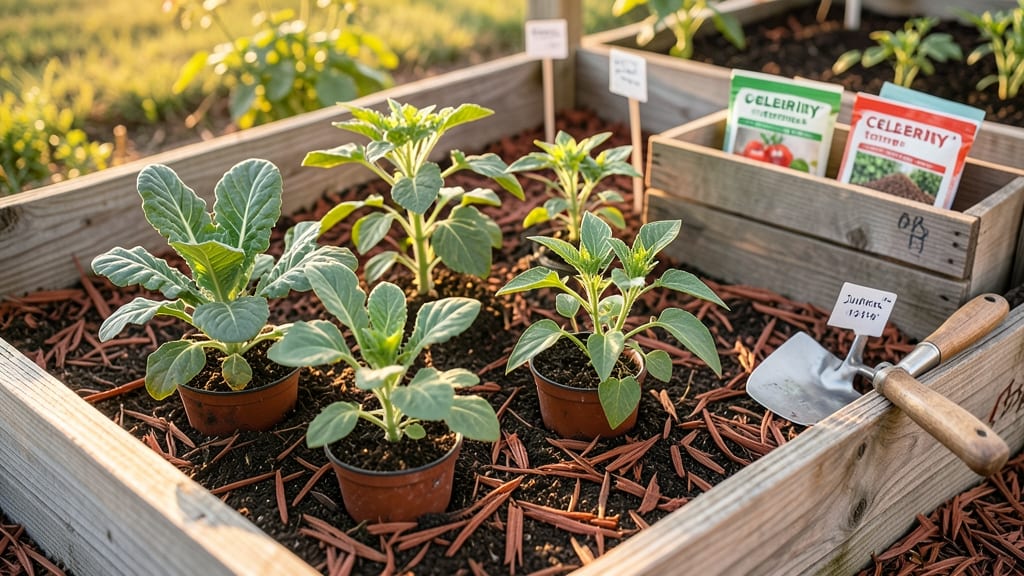
If you’ve ever wondered why your vegetable garden in Florida when to plant thrives one season and struggles the next, timing is the secret weapon you’ve been missing.
Florida’s year-round growing potential means you can plant almost anything—but get the months wrong, and your tomatoes bolt to seed or your greens wilt in the heat.
I’ve spent years growing everything from heat-loving peppers to frost-sensitive lettuce in Florida’s 8a-11 zones, and the difference between a bountiful harvest and a failed patch comes down to one thing: planting at the right time.
Whether you’re a beginner or a seasoned gardener, knowing exactly when to tuck seeds into the soil can mean the difference between a 3-foot tomato plant and a sad, stunted one.
This isn’t just about avoiding frost (though that’s a big one in North Florida!). It’s about working with Florida’s unique microclimates—where South Florida’s 365-day growing season clashes with the cooler winters of the Panhandle.
I’ll break down the exact months to plant your favorite crops, so you can enjoy fresh greens in winter and juicy tomatoes in summer without the guesswork.
Ready to turn your 🌱 vegetable garden into a year-round success? Let’s dive into the heat-zone-specific schedule that’ll keep your plants happy—and your table full—all year long.
Florida heat zones explained: which vegetables thrive where?
Florida’s unique climate—spanning 11 heat zones (A1–B5)—means your vegetable garden’s success hinges on matching crops to your microclimate. Unlike most states, Florida’s frost-free growing season ranges from 240 days in North Florida to 365 days in the Keys, giving you year-round planting opportunities.
But not all veggies thrive equally: Zones A1–A2 (southernmost) can grow okra, sweet potatoes, and malabar spinach year-round, while Zones B4–B5 (northernmost) need cool-season crops like broccoli and carrots planted in fall or winter.
Understanding your zone helps avoid costly mistakes. For example, tomatoes and peppers love Zones A2–B4 but struggle in Zone B5’s cooler winters. Meanwhile, leafy greens like kale bolt in Zone A1’s heat but thrive in Zone B5’s mild winters.
Let’s break down the best crops for each zone to plan your garden like a pro.
🌱 Visual Guide: Florida Heat Zones & Best Vegetables
| Zone | Climate Notes | Best Warm-Season Crops | Best Cool-Season Crops |
|---|---|---|---|
| A1–A2 (South FL) | Hot, humid; no frost; year-round growth. | Okra, sweet potatoes, Malabar spinach, eggplant, peppers. | None (use shade cloth for greens). |
| A3–A4 (Central FL) | Hot summers; light frost risk in winter (rare). | Tomatoes, cucumbers, beans, watermelon, basil. | Leafy greens (kale, spinach), carrots, radishes (fall/winter). |
| B4–B5 (North FL) | Mild winters; frost possible (Dec–Feb). | Peppers, okra, sweet corn, squash (spring/fall). | Broccoli, cabbage, Brussels sprouts, peas (fall/winter). |
🌡️ Pro Tip: Use shade cloth (30–50%) in Zones A1–A2 for cool-season crops like lettuce.
If you’re in Zone A1–A2, focus on heat-tolerant crops like okra, sweet potatoes, and Malabar spinach, which thrive in temperatures above 80°F. These varieties are bred to handle Florida’s intense humidity and sun, making them low-maintenance picks for beginners.
For example, ‘Clemson Spineless’ okra produces pods year-round with minimal care, while ‘Beauregard’ sweet potatoes love the heat and sandy soil.
In Zones A3–A4, you’ll enjoy a longer growing window for both warm and cool crops. Plant tomatoes and cucumbers in spring (March–April) and again in fall (September–October) to avoid the peak summer heat, which can cause blossom drop.
Meanwhile, leafy greens like kale can be sown in fall (August–September) for a winter harvest before the heat returns. This succession planting strategy maximizes your garden’s productivity.
For gardeners in Zones B4–B5, where frost is a real risk, prioritize cool-season crops in fall (September–October) and warm-season crops in spring (March–April). Broccoli and cabbage planted in September will be ready by December, while peppers and tomatoes sown in March can be harvested by June before the summer heat sets in.
Use row covers to protect young plants from unexpected 28°F+ frosts in January.
Don’t let Florida’s diverse microclimates overwhelm you—start by identifying your zone using the USDA Plant Hardiness Zone Map (or ask your local extension office for a precise location).
Once you know your zone, adjust planting times by 1–2 months if you’re in a cooler microclimate (e.g., near lakes or higher elevations) or warmer microclimate (e.g., urban heat islands). For instance, Orlando (Zone 9B) might plant tomatoes in February, while Gainesville (Zone 8B) waits until March.
One of my favorite Florida-specific hacks is growing ‘Florida Broadleaf’ lettuce in Zone A2 under 50% shade cloth during summer. This variety tolerates 90°F+ temps better than traditional lettuce, giving you crisp greens when most gardens are wilting. Similarly, ‘Celebrity’ tomatoes are a
Month-by-month planting schedule for Florida’s two seasons
Florida’s unique climate lets you grow vegetables year-round, but the key is understanding cool-season vs. warm-season crops. The state’s two distinct growing periods—fall/winter (cool) and spring/summer (warm))—dictate when to plant for maximum success. Let’s break down the exact planting windows for each zone.
In North Florida (Zones 8a–9a), cool-season crops like broccoli, cabbage, and carrots thrive from September to March, while warm-season favorites such as tomatoes, peppers, and cucumbers should be planted from February to August.
Meanwhile, South Florida (Zones 10a–11) enjoys year-round planting with minimal frost risk, but timing still matters for avoiding heat stress or bolting.
🌱 Comparison Table: Florida Planting by Season
| Season | Crop Type | Planting Window (North FL) | Planting Window (South FL) | Key Notes |
|---|---|---|---|---|
| Cool Season | Leafy Greens | September–March | Year-round (shade cloth in summer) | Avoid summer heat; use shade cloth. |
| Cool Season | Root Crops | August–February | Year-round (carrots, beets) | Loose soil prevents forking in carrots. |
| Warm Season | Tomatoes | February–April (transplant) | Year-round (shade in peak summer) | Use heat-tolerant varieties like 'Solar Fire'. |
| Warm Season | Peppers | March–June | February–October | Avoid planting in peak summer (July–August). |
| Warm Season | Cucumbers | March–May, August–September | Year-round (succession plant) | Use trellises to save space and improve airflow. |
For cool-season crops, aim to plant 6–8 weeks before the first frost in North Florida (typically late summer to early fall).
In South Florida, you can plant year-round, but use shade cloth (30–50%) during summer to protect greens like lettuce and spinach from bolting. Succession planting every 2–3 weeks ensures a continuous harvest.
Warm-season crops like tomatoes, peppers, and okra should be planted after the last frost (usually mid-February in North FL and year-round in South FL). However, avoid planting these in peak summer (July–August), as the extreme heat can stress plants.
Instead, opt for heat-tolerant varieties or use row covers for afternoon shade.
Pro tip: Direct-sow seeds for fast-growing crops like radishes and lettuce, but transplant seedlings for slower growers like tomatoes and eggplants. This gives you a head start on the growing season and maximizes your harvest time.
Always check soil temperatures—cool-season crops prefer 50–70°F, while warm-season crops thrive at 70–90°F.
🌱