
Companion Plants
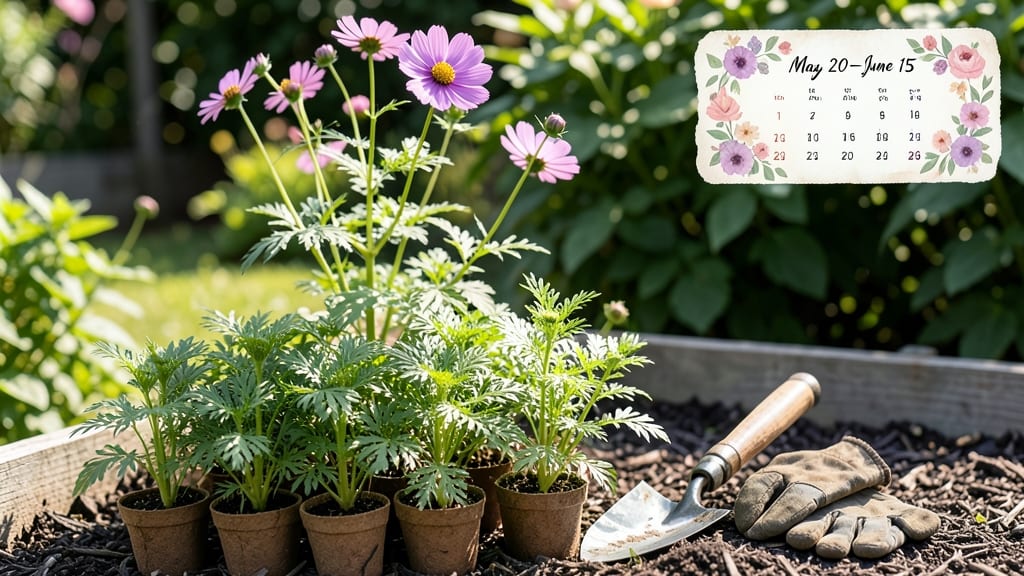
If you're wondering when to plant annuals in Zone 6, timing is the key to a vibrant garden that thrives all season long. Unlike tropical plants that need perfect warmth, many annuals actually prefer cooler soil—so planting too early or too late can mean missed blooms or stunted growth.
Zone 6's frost-free window typically runs from mid-April to early November, but not all annuals fit that timeline. Cool-season favorites like pansies can handle early spring planting, while heat-lovers like marigolds need to wait until after the last frost.
The difference between a thriving garden and a struggling one often comes down to understanding these subtle cues.
What you'll discover here is how to match your planting schedule with your local microclimate—whether you're in northern Zone 6 with later springs or southern Zone 6 where summers stretch longer.
We'll cover everything from soil temperature checks to the best annuals for extending your growing season, so you can maximize every bloom and harvest.
Ready to transform your garden? Let's dive into the exact planting windows that will give you continuous color and productivity—no guesswork required.

Zone 6 frost dates and ideal planting windows by month
Zone 6 gardeners enjoy a 150–200-day frost-free window, but knowing exactly when to plant your annuals can make the difference between a lush garden and a failed crop.
The average last frost date falls between April 15–May 15, while the first frost typically arrives October 15–November 1. These dates shift slightly depending on whether you're in northern Zone 6 (e.g., Chicago) or southern Zone 6 (e.g., Nashville), so always check your local Almanac for precision.
Annuals are broadly divided into cool-season and warm-season varieties, each with its own ideal planting window. Cool-season annuals, like pansies and snapdragons, thrive in cooler temperatures and can even handle a light frost. Warm-season annuals, such as marigolds and basil, need soil temperatures above 60°F to germinate successfully.
Planting at the wrong time can stunt growth or invite pests—so let’s break it down by month to ensure you’re planting at peak performance.
🌱 PRO TIP: Use a soil thermometer to confirm warmth before planting warm-season annuals. Soil should be at least 60°F for most varieties to sprout reliably.
| Month | Cool-Season Annuals | Warm-Season Annuals | Soil Temp | Notes |
|---|---|---|---|---|
| March | Pansies, Sweet Alyssum, Lettuce | None (too cold) | 40–50°F | Start seeds indoors for early blooms |
| April | Calendula, Stock, Dianthus | Basil (hardy varieties) | 50–60°F | Wait until after last frost |
| May | None (transition to warm-season) | Marigolds, Petunias, Zinnias | 60–70°F | Best month for warm-season planting |
| June–July | None | Sunflowers, Cosmos, Nasturtiums | 65–80°F | Succession plant for continuous blooms |
| August | None | Cosmos, Snapdragons (late varieties) | 60–70°F | Plant 8–10 weeks before first frost |
| September | Pansies, Sweet Alyssum (late) | Bush Beans (fast varieties) | 55–65°F | Extend season with row covers |
🌡️ Key: Soil temp is critical for germination. Use a thermometer to avoid delays!
In northern Zone 6, where frosts linger longer, prioritize early cool-season plantings in March and late warm-season plantings no later than July 15. For example, marigolds planted in late July may still bloom through September if given full sun and consistent water.
Meanwhile, southern Zone 6 gardeners can push warm-season plantings into early August for cosmos or zinnias, which tolerate cooler nights.
For su
How to adjust planting for early or late frost years
Zone 6’s frost dates can shift dramatically from year to year—sometimes your last frost arrives in late May instead of April, or your first frost hits in September instead of October. These unpredictable swings can leave you scrambling to adjust planting schedules.
The good news? With a few strategic tactics, you can extend your growing season and still enjoy vibrant annuals even in off-year conditions. The key is flexibility and knowing how to read your local climate cues.
If you experience an early frost, focus on cool-season annuals that tolerate cold, like pansies or sweet alyssum. These plants can often handle light frosts and may even rebloom in cooler weather.
For warm-season annuals already in the ground, use row covers or frost blankets to protect tender foliage until temperatures rise again. I’ve seen marigolds survive unexpected frosts when covered, though their growth may slow temporarily.
🌡️ PRO TIP: Monitor your local frost-free window using tools like the USDA Plant Hardiness Zone Map or your local cooperative extension service. These resources provide historical data that can help you anticipate shifts in frost patterns. For example, if your area trends toward late frosts, you might safely plant warm-season annuals like basil or petunias as early as mid-May instead of waiting for Memorial Day.
❄️ Warning: Late Planting Risks
Planting warm-season annuals too late—after July 15—can result in stunted growth or no blooms before frost. For example, zinnias planted in late August may only reach half their mature size by fall. Always calculate days to maturity and adjust planting dates accordingly.
For late frost years, prioritize fast-growing annuals that can mature quickly, such as cosmos or nasturtiums. These plants often bloom within 60–75 days, giving them enough time to thrive even if frost arrives early.
Another strategy is succession planting: stagger your plantings every 2–3 weeks to ensure a continuous harvest or display. For instance, planting bush beans in early June, mid-July, and late August ensures you’ll have fresh pods well into September.
If you’re dealing with an unusually warm fall, consider extending your warm-season plantings into early September. Plants like sunflowers or cosmos can handle cooler nights if given full sun and consistent moisture.
Just be prepared to harvest or cover plants if temperatures drop unexpectedly. I once grew cosmos into early November in my southern Zone 6 garden by using a mini greenhouse on chilly nights!
Finally, always keep an eye on soil temperature—not just air temperature—as your guide for planting. A soil thermometer is your best friend in unpredictable years. For warm-season annuals, aim for soil temps above 60°F; for cool-season varieties, 40–50°F is ideal.
By aligning your planting with these ground-level conditions, you’ll avoid common pitfalls like poor germination or leggy growth.
With these adjustments, you can turn Zone 6’s unpredictable frosts into opportunities for a longer, more productive growing season. Even in off-years, your garden can stay vibrant and full of life—just adapt your approach! 🌱