
Companion Plants
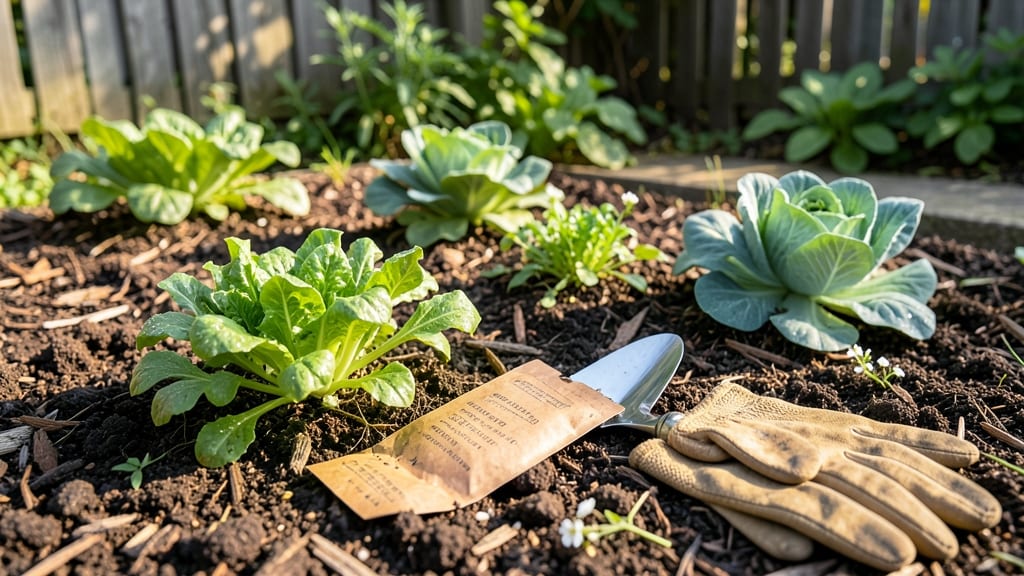
Best planting windows for lettuce in Zone 7: exact weeks before/after frost
In Zone 7, your lettuce will thrive when planted during two key windows: early spring and late summer/fall. The average last frost date is around March 15, while the first frost typically arrives November 15.
These dates are your planting anchors—plant too early, and seedlings may rot; too late, and your lettuce will bolt (go to seed) in the heat.
For spring lettuce, aim to plant 4-6 weeks before your last frost. This means starting seeds indoors in late January to early February or sowing directly in February to March.
In Zone 7, this gives your lettuce enough time to mature before summer heat sets in, usually by May or June.
Your fall planting window opens in late summer, specifically August to early September. This timing ensures your lettuce matures before the first frost in November. For a continuous harvest, you can even make succession plantings every 2-3 weeks from August through September.
Here’s the critical detail: soil temperature matters just as much as air temperature. Lettuce seeds need soil temps between 40°F and 80°F to germinate. In Zone 7, soil warms up quickly in spring—wait until the ground reaches 45°F before sowing directly outdoors.
🥬 Zone 7 Lettuce Planting Summary
| Season | Planting Window | Soil Temp | Harvest Window |
|---|---|---|---|
| Spring | Feb 15 - Mar 15 | 45°F+ | Apr - Jun |
| Fall | Aug 1 - Sep 15 | 60°F-70°F | Oct - Nov |
| Summer (Heat-Tolerant) | Jun 15 - Jul 15 | 55°F-65°F | Aug - Sep |
💡 Pro Tip: Use shade cloth for summer plantings to keep soil temps cool and prevent bolting.
If you’re eager to grow lettuce in summer, focus on heat-tolerant varieties like Romaine or Oakleaf. These can handle warmer soil temps (up to 75°F) better than delicate butterhead types. Plant these in late June to early July for a harvest in August or September.
For overwintering lettuce, you can try cold-hardy varieties like Winter Density or Arctic King. Plant these in late August to early September and use row covers to protect them from light frosts.
These varieties often survive Zone 7 winters and produce tender leaves in winter and early spring.
Always check your local frost dates—they can vary by 1-2 weeks even within Zone 7. Use resources like the Almanac’s Frost Calculator or ask your local Cooperative Extension Service for precise timing tailored to your microclimate.
Finally, remember that lettuce is a cool-season crop. If you plant it in mid-summer (July-August) without shade or proper watering, it will bolt quickly, turning bitter and tough. Plan ahead and stick to the spring and fall windows for the best results.
How to prevent bolting in Zone 7 heat: varieties and growing hacks
Zone 7’s summer heat is lettuce’s worst enemy—those 60°F+ days trigger bolting, turning your crisp greens into bitter, seed-stalk monsters. The good news? With the right heat-tolerant varieties and a few simple tricks, you can enjoy fresh lettuce all season long.
Here’s how to beat the heat and keep your plants happy.
First, choose bolt-resistant varieties like Romaine, Oakleaf, or Buttercrunch. These types handle warmer temps better than delicate leaf lettuces. Look for seed packets labeled “heat-tolerant” or “slow-bolting”—they’re your best bet for summer planting.
I’ve had great success with Jericho Romaine and Black Seeded Simpson in my Zone 7 garden.
Next, give your lettuce some afternoon shade. A simple shade cloth (30-50%) stretched over your plants during the hottest hours (12 PM–4 PM) can drop soil temps by 10-15°F, delaying bolting.
If you don’t have shade cloth, try planting under a dappled tree canopy or even a white umbrella for quick shade relief.
⚠️ Prevent Bolting: Pros & Cons
- 🌱 Plant in spring (Feb–March) or fall (Aug–Sept)
- 🌡️ Keep soil temps below 75°F with mulch
- 💧 Water deeply in morning to cool roots
- ✂️ Harvest outer leaves to encourage regrowth
- 🔥 Plant in peak summer (June–July)
- 🌡️ Let soil dry out—consistent moisture is key
- 🌞 Expose to hot afternoon sun without shade
- 🍽️ Wait too long to harvest—bolt happens fast!
Mulching is another game-changer for Zone 7 gardeners. A 2-3 inch layer of straw or shredded leaves keeps soil cool and moist, which lettuce loves. I use straw mulch because it breaks down slowly and doesn’t compact like grass clippings. Plus, it suppresses weeds—double win!
For a continuous harvest, try succession planting every 2-3 weeks in early spring and late summer. This way, you’re always pulling fresh lettuce while older plants bolt.
Just space seeds thinly (1 inch apart) and thin to 6-8 inches when they’re 2 inches tall. Pro tip: Use the thinned seedlings in salads—they’re tender and delicious!
If you’re determined to grow lettuce in summer’s peak heat, try container gardening. Pots heat up faster than garden beds, but you can move them to shadier spots or even onto a patio in the evening for cooler temps.
Just make sure your containers have drainage holes to prevent root rot from overwatering.
Finally, don’t forget that harvest timing is everything. Lettuce bolts when it senses it’s time to reproduce—usually when days get long or temps rise. To trick it, harvest outer leaves as soon as they’re 4-6 inches tall.
This keeps the plant focused on growth instead of flowering. I like to pick a few leaves every 2-3 days and use them in sandwiches or salads—it’s the best way to enjoy fresh lettuce all season long. 🥬