
Companion Plants
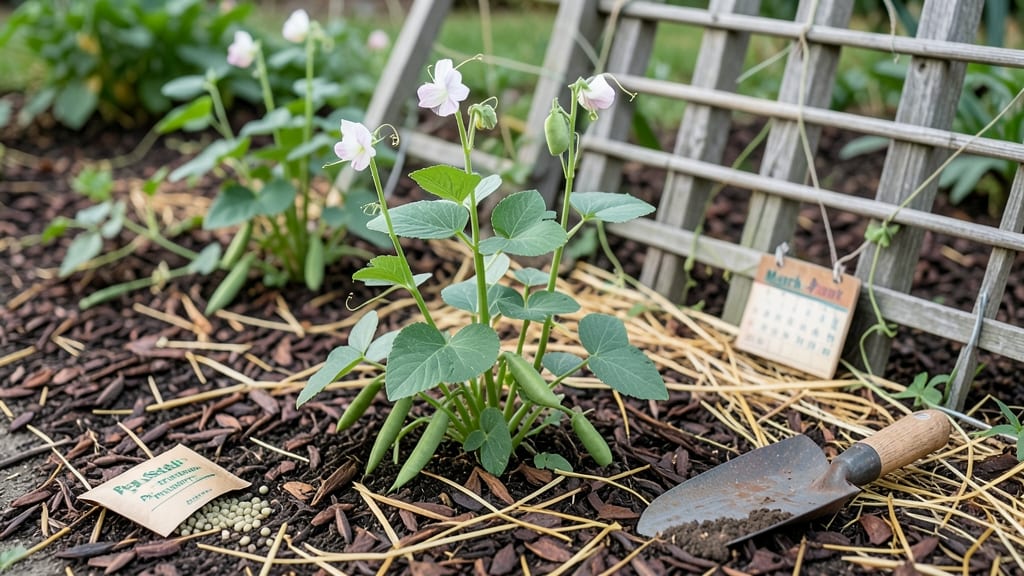
If you're eager to grow 🌱 peas in Zone 5, timing your planting is the key to a bountiful harvest—or risking wasted seeds and stunted plants. The right window can mean the difference between crisp, sweet peas straight from your garden and disappointment when the weather turns against you.
Most gardeners in Zone 5a/5b know peas are hardy cool-season crops, but the exact timing depends on your last frost date and soil temperature. Planting too early can leave them vulnerable to cold snaps, while waiting too long might miss the ideal growing window.
I’ll break down the best times to sow seeds directly in the ground or start them indoors for a head start.
You don’t have to guess whether March or August is the right month—just follow these simple guidelines tailored to your specific frost dates. Whether you’re a first-time gardener or a seasoned pro, these tips will help you maximize your pea yield without the common pitfalls.
Ready to turn your garden into a pea-producing powerhouse? Let’s dive into the exact planting schedule that works for Zone 5, so you can enjoy fresh peas from late spring through fall.

Pea planting timeline in Zone 5: exact dates for best growth
Peas thrive in Zone 5’s cool climate, but getting the timing right is everything. The last average frost date in most of Zone 5 falls around mid-April, but peas can handle light frosts—even 32°F—once they’ve sprouted.
This means you can start planting as early as late February in southern Zone 5 (5b) or early March in colder areas (5a).
For a continuous harvest, aim to plant peas in two batches: the first in early March (or as soon as soil is workable) and a second batch 4-6 weeks later for late-spring production.
Some gardeners even squeeze in a fall crop in late August, but this requires careful monitoring of frost dates.
Here’s the key: peas grow best when soil temperatures hover between 40°F and 85°F. If you plant too early, cold soil can delay germination. If you wait too long, summer heat will cause peas to bolt or produce bitter pods.
The sweet spot is planting when daytime highs are consistently above 50°F.
🌱 Pea Planting Timeline for Zone 5
| Planting Window | Soil Temp | Variety Notes | Harvest Window |
|---|---|---|---|
| Late February - Early March | 40-50°F | Early varieties like 'Sugar Ann' or 'Green Arrow' | Late May - June |
| Mid-March - Early April | 50-60°F | Standard varieties like 'Wando' or 'Lincoln' | June - July |
| Late August - Early September | 60-70°F | Cold-hardy varieties like 'Oregon Sugar Pod' | September - October |
⚠️ Note: Adjust dates 1-2 weeks earlier for Zone 5b (warmer) or later for Zone 5a (colder).
Not all peas are created equal. Snow peas and snap peas mature faster (about 55-60 days) than shelling peas (typically 60-70 days). If you’re short on time, prioritize early-maturing varieties like 'Early Perfection' for a quick harvest before summer heat sets in.
One trick I’ve used is to plant peas in succession every 2 weeks from March through May. This ensures a steady supply of fresh pods instead of a single overwhelming harvest. Just be sure to mark your planting dates—peas won’t self-sow like some other veggies!
For fall planting, focus on late-August sowings in Zone 5. The goal is to have peas mature before the first frost in mid-October. Use row covers to extend the season by 2-3 weeks if needed.
Just avoid planting after September 1st, as days grow shorter and peas struggle to set pods.
Pro tip: Test your soil temperature with a soil thermometer before planting. Peas won’t germinate well in soil colder than 40°F, even if the air feels warm. If your soil is too cold, wait a week or two—or use a black plastic mulch to warm it faster.
Remember, peas are self-pollinating and nitrogen-fixing, meaning they improve soil health while growing. The earlier you plant, the more time they’ll have to enrich your garden for next year’s crops. Don’t wait until spring is in full swing—get those peas in the ground as soon as possible!
Pea planting timeline in Zone 5: exact dates for best growth
Peas thrive in Zone 5's cool climate, but knowing the perfect planting window ensures your plants grow strong and productive. The key is to plant when soil temperatures reach 40-50°F, which typically happens in early spring (March-April) or late summer (August-September).
For most of Zone 5, aim to plant peas 4-6 weeks before your last frost date—usually by mid-March to early April. This timing gives them enough time to mature before summer heat sets in. If you miss this window, don't worry—a fall planting in August works too!
| Planting Window | Soil Temp | Variety | Notes |
|---|---|---|---|
| Early Spring (March-April) | 40-50°F | Snap Peas, Shelling Peas | Best for main harvest; plant 1-2" deep |
| Late Summer (August-Sept) | 50-60°F | Snow Peas, Sugar Snap | Avoid heat stress; harvest before frost |
| Fall (Sept-Oct) | 45-55°F | All Varieties | Use row covers; protect from early frost |
In Zone 5a (colder areas), wait until late April to avoid frost damage, while Zone 5b gardeners can start as early as mid-March. Always check your local last frost date—a quick online search will give you precise timing for your area.
Pro tip: Succession planting every 2 weeks in spring extends your harvest. For example, plant a new row in mid-April if your first batch is ready to harvest by late May. This keeps your garden producing until summer heat arrives.
Peas also tolerate light frost, so don't rush to cover them if temperatures dip slightly. Just avoid planting when soil is waterlogged or frozen, as this can stunt germination. A simple soil thermometer helps track ideal planting conditions.
For a second harvest in fall, plant late August to early September when soil cools again. This works especially well for sugar snap peas, which mature faster in cooler weather. Just be ready to harvest before the first frost (usually mid-October in Zone 5).