
Plants
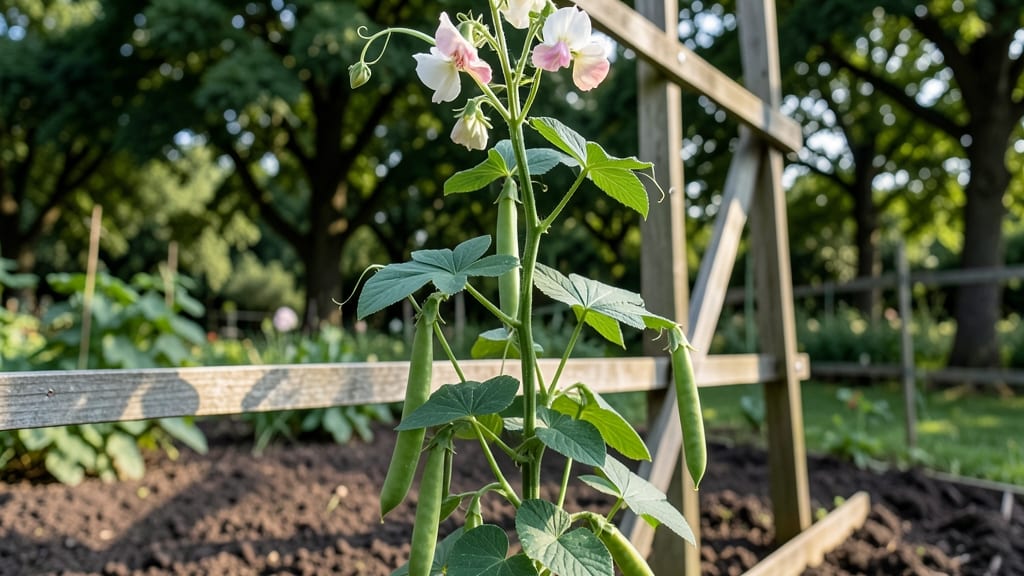
If you're planning your garden layout this year, knowing how tall do sugar snap pea plants grow could be the game-changer you need for a productive spring harvest.
These fast-climbing 🌱 beauties can reach heights of 6 to 10 feet when given proper support, but their growth habits vary dramatically between pole and bush varieties.
Most gardeners swear by pole varieties for their impressive vertical growth, which makes them perfect for small spaces or trellis setups. Meanwhile, bush varieties stay compact at just 1 to 3 feet, ideal for container gardening or tight garden beds.
The difference in height isn't just about space—it also impacts yield and how you'll need to structure your planting plan.
Understanding these growth patterns helps you avoid common mistakes like overcrowding or underutilizing vertical space. Whether you're a seasoned gardener or just starting out, getting this right means more peas, less wasted effort, and a garden that actually works for you.
Let's break down the exact height ranges, how to support your plants for maximum growth, and which varieties perform best in different garden setups. By the end, you'll know exactly how to plan your sugar snap pea garden for a bountiful harvest—no guesswork required.

Sugar snap pea growth heights: pole vs bush varieties compared
Sugar snap peas are one of the most rewarding vegetables to grow, but their height can vary dramatically depending on the variety you choose. Pole varieties are the heavyweights of the garden, climbing 6 to 10 feet tall with proper support, while bush varieties stay compact at just 1 to 3 feet.
This difference isn’t just about aesthetics—it directly impacts your harvest yield, garden layout, and even how you train your plants.
Most gardeners opt for pole varieties because they produce more pods per plant and take up less ground space. However, they require sturdy trellises or cages to reach their full potential.
On the other hand, bush varieties are ideal for small spaces or containers, but they yield fewer pods overall. Understanding these differences helps you plan your garden for maximum efficiency.
Here’s the key distinction: Pole varieties grow vertically, while bush varieties spread horizontally. This affects everything from spacing requirements to how you harvest the pods.
For example, pole peas need 4 to 6 inches of space between plants but can stretch up to 10 feet tall, whereas bush peas need 6 to 8 inches of space and stay low to the ground.
Let’s dive into the specifics with a side-by-side comparison to help you decide which variety fits your garden best.
| Type | Mature Height | Spacing Needs | Yield Potential | Growth Habit |
|---|---|---|---|---|
| Pole Varieties | 6–10 feet | 4–6 inches apart | High (more pods per plant) | Climbing vines |
| Bush Varieties | 1–3 feet | 6–8 inches apart | Moderate (fewer pods per plant) | Compact, bushy growth |
If you’re working with limited space, bush varieties like ‘Tom Thumb’ are perfect for containers or small gardens. They mature quickly and produce crisp pods in just 55 to 60 days, making them a great choice for early spring or late summer harvests.
However, if you have vertical space—like a trellis or fence—pole varieties like ‘Sugar Sprint’ or ‘Oregon Sugar Pod’ will reward you with abundant harvests and cleaner garden beds.
Another factor to consider is maturity timing. Both types reach harvest readiness in about the same timeframe (60 days for most varieties), but pole varieties continue producing longer because their vines grow taller and support more flowering nodes.
This means you can enjoy a prolonged harvest with minimal replanting effort.
For gardeners in USDA Zone 6a or cooler climates, pole varieties are often the better choice because they can take advantage of early spring planting. Their vertical growth also helps them escape pests that lurk near the soil.
Meanwhile, bush varieties are more forgiving if you’re dealing with crowded spaces or shorter growing seasons.
One common mistake is assuming all sugar snap peas need the same support. Bush varieties don’t require trellises, but they benefit from light staking to keep pods off the ground and reduce disease risk. Pole varieties, however, will flop without support, leading to tangled vines and missed harvests.
Investing in a 6-foot trellis or cage system is a game-changer for maximizing height and productivity.
Whether you choose pole or bush, the key to success is proper spacing and support. For pole peas, aim for 4 to 6 inches between plants and provide a strong trellis at planting time.
For bush peas, give them 6 to 8 inches of space and a small stake or cage to keep them upright. Both types thrive in cool weather and full sun, so timing your planting for early spring or late summer will give you the best results.
Ready to transform your garden into a sugar snap pea powerhouse? Start by choosing the right variety for your space, and don’t forget to plan for their growth habits early. Your future harvest will thank you!
Sugar snap pea growth heights: pole vs bush varieties compared
Sugar snap peas come in two distinct growth forms—pole varieties and bush varieties—each with dramatically different height ranges. If you're planning your garden layout, knowing these differences is key to maximizing space and yield.
Pole varieties typically reach 6 to 10 feet tall, while bush varieties stay compact at 1 to 3 feet. This stark contrast means your trellis setup or in-ground spacing will vary wildly depending on what you grow.
Pole varieties like 'Sugar Sprint' or 'Super Sugar Snap' climb vigorously, making them ideal for vertical gardens or small spaces. Their height allows for higher yields per square foot, but they require sturdy support.
Bush varieties, such as 'Tom Thumb' or 'Sugar Ann', spread outward instead of upward, needing less vertical real estate but more horizontal room. Both types mature in about 60 days, but their growth habits dictate how you’ll care for them.
| Variety Type | Height Range | Support Needed | Yield Potential |
|---|---|---|---|
| Pole Varieties | 6–10 feet | Trellis, fence, or cage | High (2–3 lbs per plant) |
| Bush Varieties | 1–3 feet | None or minimal staking | Moderate (1 lb per plant) |
Pole varieties thrive when given vertical support, which not only saves garden space but also improves air circulation, reducing disease risk. Their vines can sprawl up to 10 feet if unsupported, but with a trellis, they grow straight and produce pods more efficiently.
Bush varieties, while shorter, still benefit from light staking to keep plants upright and pods off the ground, preventing rot. Both types need 6+ hours of sunlight daily, but pole varieties may require extra nutrients to support their rapid vertical growth.
For small gardens or containers, bush varieties are a game-changer—they fit neatly into raised beds or window boxes without needing extra support. However, if you’re aiming for a high-volume harvest in limited space, pole varieties are the clear winner.
Just ensure your trellis is at least 7 feet tall to accommodate their full height. A common mistake is underestimating pole varieties’ reach, leading to floppy vines and poor pod production.
Height also affects when and how you harvest. Pole varieties produce pods along their entire length, so you’ll need a ladder or step stool to reach the top. Bush varieties, being shorter, are easier to pick but may require more frequent harvesting to encourage continuous production.
Both types should be harvested when pods are 2–3 inches long for the sweetest flavor and crispest texture.
If you’re torn between the two, consider your garden’s layout and your goals. Pole varieties excel in vertical spaces, while bush varieties shine in ground-level beds. For a mix of both, try interplanting bush varieties at the base of a trellis—this maximizes space and creates a layered harvest.
Just remember: support is non-negotiable for pole varieties, or you’ll end up with a tangled mess instead of a productive vine.