
Plants
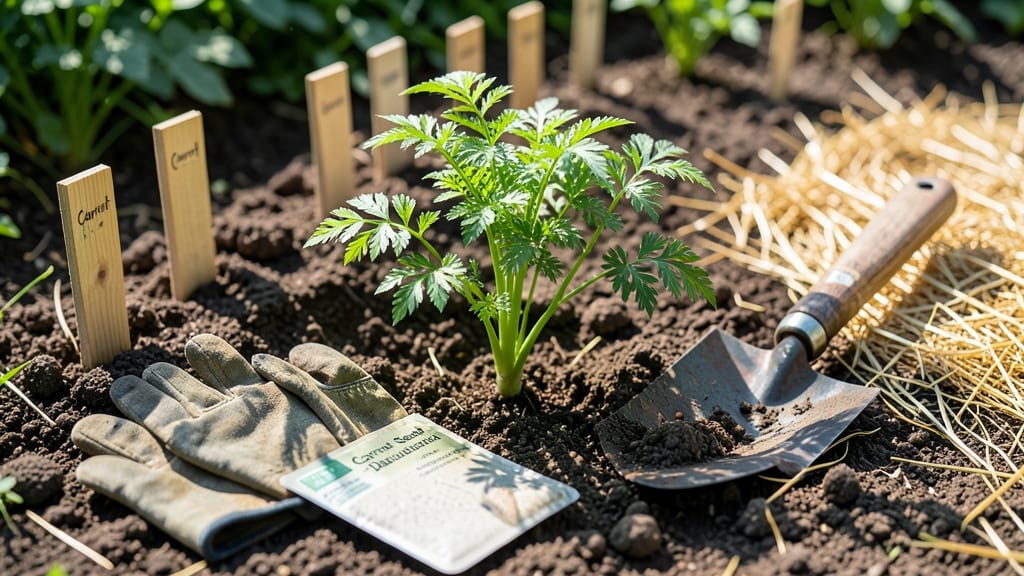
If you’ve ever planted carrots 🥕 in Zone 6 only to watch them bolt or rot, timing is the secret weapon you’ve been missing.
The difference between a thriving harvest and a failed patch often comes down to planting in the right weeks—not too early (risking frost) and not too late (leading to bitter roots).
In Zone 6, where last frosts can linger until mid-April and first frosts arrive by October, getting the timing perfect ensures fast germination and a bountiful harvest. I’ll break down the exact windows—spring and fall—so you can plant with confidence, whether you’re a beginner or a seasoned gardener.
You’ll also discover how to adjust for your specific sub-zone (6a vs. 6b) and use simple tricks like row covers to extend your growing season. No more guesswork—just proven deadlines for planting, thinning, and harvesting.
Ready to grow sweet, crisp carrots that rival the grocery store? Let’s dive into the science-backed schedule that’ll transform your garden this year.

Zone 6 carrot planting timeline: exact weeks before last frost for success
Timing is everything when growing carrots in Zone 6. The key is planting 2–3 weeks before your last frost date—typically mid-March to early April—when soil temperatures hit 50°F.
This ensures fast germination without frost damage. For a fall harvest, aim for late July to early August to beat the first frost in mid-October.
Zone 6’s 165 frost-free days create a tight window for growing carrots from seed to harvest. Early varieties like 'Early Nantes' mature in 60–70 days, while standard types need 70–85 days. Plan accordingly to avoid bitter, woody roots from overmaturity.
Soil temperature is critical. Carrot seeds won’t sprout below 50°F, but they’ll bolt in heat above 85°F. Use a soil thermometer to monitor conditions. In cooler Zone 6a areas, wait until soil warms to 55°F for reliable germination.
Your last frost date is the anchor for planning. Check your local USDA Zone 6a/6b average (e.g., April 15 for most of Zone 6). Plant 4–6 weeks before to account for slow germination. For example, if frost hits April 15, sow seeds by March 1–15.
| Planting Window | Soil Temp | Days to Harvest | Best Varieties |
|---|---|---|---|
| Early Spring (Mar 15–Apr 15) | 50–60°F | 60–70 days | 'Early Nantes', 'Paris Market' |
| Late Summer (Jul 15–Aug 15) | 60–75°F | 70–80 days | 'Danvers Half Long', 'Chantenay' |
| Fall (Aug 15–Sep 15) | 55–65°F | 70–85 days | 'Nelson', 'Rainbow' |
For Zone 6b (warmer microclimates), you can push spring planting to early April and extend fall planting to early September. In cooler Zone 6a areas, stick to mid-March for spring and mid-August for fall to avoid early frosts.
Don’t forget succession planting! Sow new seeds every 2–3 weeks from spring to early summer for a continuous harvest. For example, if you plant your first batch on March 15, follow up with batches on April 1, April 15, and May 1.
Cold-hardy varieties like 'Paris Market' tolerate light frosts, making them ideal for early spring. For fall, choose 'Danvers' or 'Chantenay', which handle cooler soils better. Always check seed packets for days to maturity to align with your frost dates.
Pro tip: Use a row cover or cold frame to extend your spring planting window by 2–3 weeks. This protects seedlings from late frosts while keeping soil warm enough for germination. Remove covers once true leaves appear to prevent overheating.
Finally, mark your calendar! In Zone 6, your last chance for a fall harvest is typically September 1. Plant by this date for carrots to mature before the first frost in mid-October. With the right timing, you’ll enjoy homegrown carrots from June through October!
How to extend your carrot growing season in Zone 6: succession planting and frost protection
Zone 6’s shorter growing season doesn’t mean you’re limited to one carrot harvest. With succession planting and smart frost protection, you can extend your harvest window by 3–4 months. The key is timing your plantings to avoid heat stress in summer while still capturing late-fall harvests before hard frost.
Start your first planting 2–3 weeks before your last frost date (typically mid-March in Zone 6). Then, repeat plantings every 2–3 weeks until mid-July. This staggered approach ensures a steady supply of baby carrots all summer and into fall.
For example, if your last frost is April 15, aim for plantings on March 15, April 1, April 15, and May 1.
For late-season success, focus on short-season varieties like ‘Paris Market’ (58 days) or ‘Little Finger’ (60 days). These mature quickly and can handle cooler temperatures better than longer varieties. Pair them with row covers or cold frames to push harvests into October or even November in milder microclimates.
🌱 Pro Tip: Use a planting calendar to track your succession schedule. Mark your last frost date, then count backward in 2-week intervals. This visual reminder keeps you on track without overcrowding your garden.
🌿 Numbered Highlights: Zone 6 Carrot Growing Extensions
- 1. Spring Planting: Start seeds 2–3 weeks before last frost (soil temp ≥50°F). Use cold-hardy varieties like ‘Nantes’ or ‘Chantenay’.
- 2. Succession Plantings: Sow every 2–3 weeks until mid-July for continuous harvests.
- 3. Summer Protection: Shade cloth (30–50%) prevents bolting in heat waves (above 85°F).
- 4. Fall Frost Guard: Apply row covers 2 weeks before first frost to extend harvests by 4–6 weeks.
- 5. Soil Prep: Loosen soil to 12 inches deep to prevent forking. Add compost for sweetness.
One common mistake is planting too deep or too shallow. Carrot seeds need light to germinate, so press them just 1/4 inch into loose soil. If your soil is heavy clay, mix in sand or compost to improve drainage and prevent forked roots.
Overcrowding is another pitfall—thin seedlings to 2–3 inches apart once they’re 2 inches tall.
For urban gardeners with limited space, try container growing. Use deep pots (at least 12 inches deep) and fill them with a 50/50 mix of potting soil and compost. Varieties like ‘Short ‘n’ Sweet’ thrive in containers and can be harvested in as little as 50 days. Just
💡 Remember: Zone 6’s first frost typically hits around October 15, but microclimates near water or south-facing walls can delay frost by 1–2 weeks. Use this to your advantage by planting a final succession in early September for a late harvest.