
Flowers
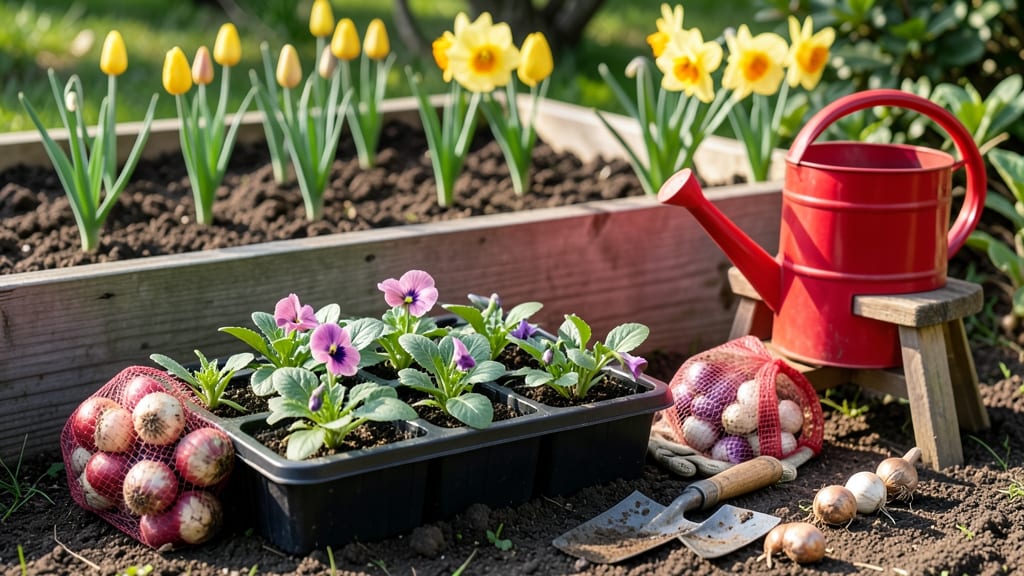
Timing your spring flower planting wrong can mean wasted seeds—or worse, frost-killed blooms. But knowing your USDA zone’s last frost date transforms guesswork into a foolproof garden schedule.
In Zone 6a, where I garden, the magic window typically opens between late April and mid-May. That’s when the risk of frost drops enough to let 🌸 flowers like pansies and snapdragons thrive. The key? Waiting until soil temperatures hit at least 60°F—not just checking a calendar.
What happens if you plant too early? Delicate seedlings may bolt or rot in cold soil. Too late, and you miss the prime growing window.
I’ll show you exactly how to read your local frost data and adjust for early vs. late springs—so you can time your planting like a pro.
Whether you’re a first-time gardener or a seasoned blooms enthusiast, these strategies will help you avoid common mistakes. Let’s dive into the science and practical tips that make all the difference between a thriving garden and a sad, stunted one.
USDA zone-by-zone spring flower planting deadlines by region
Spring flower planting success hinges on knowing your USDA zone and its last frost date. These deadlines separate thriving blooms from frost-killed failures. In Zone 3, for example, wait until May 15 for most annuals, while Zone 10 gardeners can plant annuals year-round—just avoid winter months.
Each zone has frost-sensitive flowers that demand extra caution. Pansies and snapdragons tolerate light frosts (28°F), but petunias and geraniums need 50°F+ soil to thrive. Below, I’ve mapped exact planting windows by zone, including early bloomers vs. heat-lovers.
🌱
| USDA Zone | Last Frost Date | Planting Window | Early Bloomers (Tolerate Frost) | Heat-Lovers (Need Warm Soil) |
|---|---|---|---|---|
| Zone 3 | May 15 | After May 15 | Pansies, Snapdragons | Marigolds, Zinnias |
| Zone 4 | May 1 | After April 25 | Sweet Peas, Violas | Petunias, Begonias |
| Zone 5 | April 15 | After April 10 | Calendula, Stock | Impatiens, Coleus |
| Zone 6 | April 1 | After March 20 | Lobelia, Primrose | Geraniums, Salvia |
| Zone 7 | March 15 | After March 1 | Sweet Alyssum, Dianthus | Lantana, Verbena |
| Zone 8 | February 15 | After January 31 | Ageratum, Dusty Miller | Portulaca, Sunflower |
| Zone 9 | January 1 | After December 15 | Snapdragons (late varieties) | Zinnia, Celosia |
| Zone 10 | None (year-round) | Any month (avoid Dec-Feb) | All frost-tolerant annuals |