
Plants
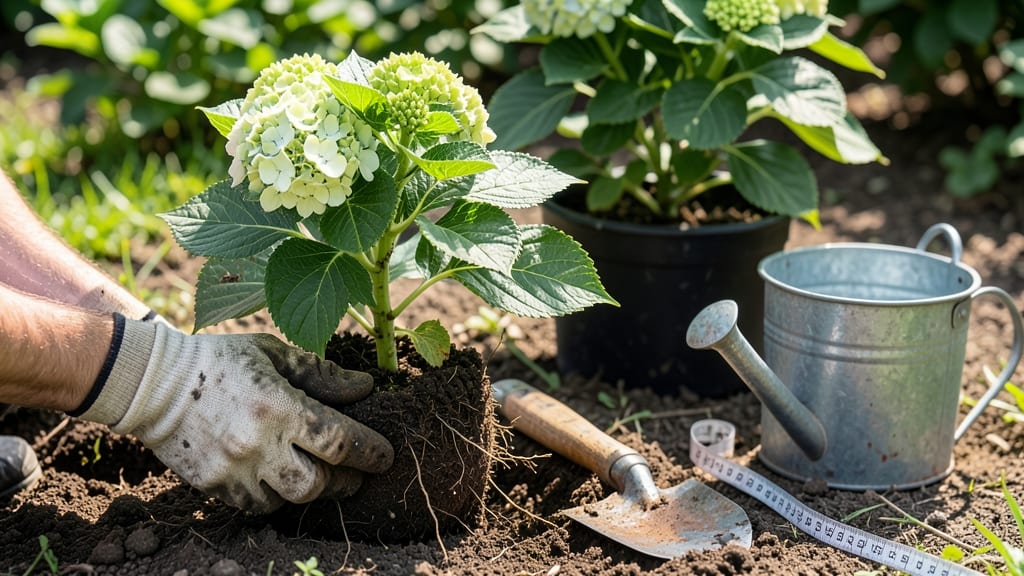
Timing when you can plant hydrangeas in the ground just right is the key to those showstopping blooms you’ve been dreaming of—because getting it wrong could mean struggling plants or missed seasons of color.
Whether you’re in USDA Zone 6a or beyond, knowing when to plant these 🌸 beauties makes all the difference between thriving shrubs and disappointed gardeners.
Most gardeners assume spring is the only window, but fall can actually give your hydrangeas a head start. The secret lies in soil temperature and frost dates—plant too early, and tender roots risk damage; too late, and they won’t establish before winter’s chill.
Let’s break down the best months for your zone and how to read your soil’s cues.
You’ll discover how to align your planting with nature’s schedule, whether you’re working with in-ground beds or containers. We’ll cover the ideal window for early to mid-spring or early fall, plus how to tell when your soil is truly ready. No more guesswork—just lush, vibrant hydrangeas year after year.
Ready to transform your garden? I’ll walk you through the exact signs to watch for, from soil warmth to leaf emergence, so you can plant with confidence. Let’s get those roots growing strong!
Best planting months for hydrangeas by US hardiness zone
Timing is everything when planting hydrangeas. These stunning shrubs thrive when planted during their active root growth periods, which aligns with spring or early fall.
The best months depend on your USDA hardiness zone—too early, and frost can damage tender roots; too late, and they won’t establish before winter. Let’s break down the ideal windows for zones 3 through 11 to ensure your hydrangeas take root and bloom beautifully.
Most gardeners prefer spring planting (after last frost) because it gives hydrangeas the entire growing season to establish. However, fall planting (4-6 weeks before first frost) also works well, especially in warmer climates. The key is avoiding extreme heat or cold, which stresses young plants.
For example, in zone 5, aim for April–May or September–October, while zone 9 gardeners can plant as late as November.
Soil temperature matters just as much as air temperature. Hydrangeas need soil that’s at least 60°F (15°C) for spring planting—use a soil thermometer to check. In fall, soil should cool to 50–60°F (10–15°C) before planting.
Cold soil slows root growth, while warm soil encourages early establishment. If you’re unsure, spring planting is the safer bet for beginners.
Now, let’s dive into the specifics. Below is a zone-by-zone guide to help you pinpoint the perfect time to plant hydrangeas in your area. This table covers ideal months, temperature thresholds, and regional notes to maximize success.
Pro tip: If you’re planting in containers, the timing rules relax slightly. Containers warm up faster in spring and cool down quicker in fall, so you can plant 2–4 weeks earlier or later than in-ground plants.
Just ensure your pots have drainage holes to prevent root rot—a common issue in hydrangeas.
For bare-root hydrangeas (often sold in winter), plant as soon as the ground thaws in spring. Soak roots in water for 1–2 hours before planting to rehydrate them. This gives them a head start in warmer soil.
In contrast, container-grown hydrangeas can be planted year-round in mild climates, but spring or fall still offer the best results.
One mistake I see often is planting hydrangeas in summer heat. The stress of transplanting in 80°F+ temperatures can shock the plant, leading to wilting or poor root growth.
If you must plant in summer, do it on a cloudy day and provide daily shade for the first 2 weeks. Mulch heavily to retain moisture—hydrangeas hate drying out.
Finally, remember that hydrangea varieties have slight preferences. For example, oakleaf hydrangeas tolerate drier soil and can handle slightly later fall planting, while bigleaf hydrangeas (like ‘Endless Summer’) need consistent moisture and prefer earlier spring planting. Always check your specific variety’s care guide for nuances.
With the right timing, your hydrangeas will reward you with vibrant blooms for years. Next, we’ll cover how to prep your soil for planting—because even the best timing won’t help if the conditions aren’t right! 🌸
Best planting months for hydrangeas by US hardiness zone
Timing is everything when planting hydrangeas—these shrubs thrive when transplanted during their dormant season, allowing roots to establish before extreme temperatures. In most USDA Zones 3-11, early spring (after last frost) or early fall (before first frost) are ideal windows.
For example, in Zone 6a, aim for April 15–May 15 in spring or September 1–October 15 in fall. Regional climate variations mean Southern zones (7-11) can plant slightly later, while Northern zones (3-6) should prioritize spring planting to avoid winter stress.
Hydrangeas need 60°F+ soil temperatures to root successfully. Use a soil thermometer to confirm—if it’s cooler, wait 1-2 weeks. Fall planting works best when soil temps stay above 50°F for 4+ weeks post-transplant.
In Zone 8+, you can even plant in late winter (February) if soil isn’t frozen. The key is avoiding heatwaves or frost during the first 30 days after planting.
| USDA Zone | Best Spring Month | Best Fall Month | Soil Temp Threshold |
|---|---|---|---|
| 3-5 | April–May | Late August–September | 60°F+ |
| 6-7 | March–April | September–October | 55°F+ |
| 8-9 | February–March | October–November | 50°F+ |
| 10-11 | January–February | November–December | 45°F+ |
🌱 Pro Tip: Mulch heavily after planting to retain moisture and protect roots.
For container-grown hydrangeas, timing shifts slightly—you can plant 1-2 weeks later than bare-root varieties since their roots are less vulnerable.
However, bigleaf hydrangeas (H. macrophylla) prefer cooler roots, so avoid planting in mid-summer heat. Panicle hydrangeas (H. paniculata), like ‘Limelight,’ are more adaptable and can handle late spring planting if kept consistently moist.
Watch for local frost dates—check your USDA Plant Hardiness Zone Map and add 2-3 weeks buffer. In Zone 5, for example, planting in late May risks a late frost, while Zone 9 gardeners can plant in early December if frost isn’t imminent.
Always prioritize root establishment over bloom timing—hydrangeas reward patience with 3-5 years of lush growth once settled.
If you miss the ideal window, don’t panic! Potted hydrangeas can be planted up to 6 weeks outside the prime season, but expect slower growth. For bare-root plants, wait until next year’s optimal window—their roots are too fragile for off-season stress.
Always water deeply after planting and avoid fertilizing for 6 weeks to encourage root growth over foliage.
Remember: Hydrangeas hate soggy roots. If your area has heavy clay soil, amend with compost and perlite before planting, and choose a slightly elevated spot for drainage.
With the right timing and prep, your hydrangeas will thrive for decades, gracing your garden with show-stopping blooms every season. 🌸