
Flowers
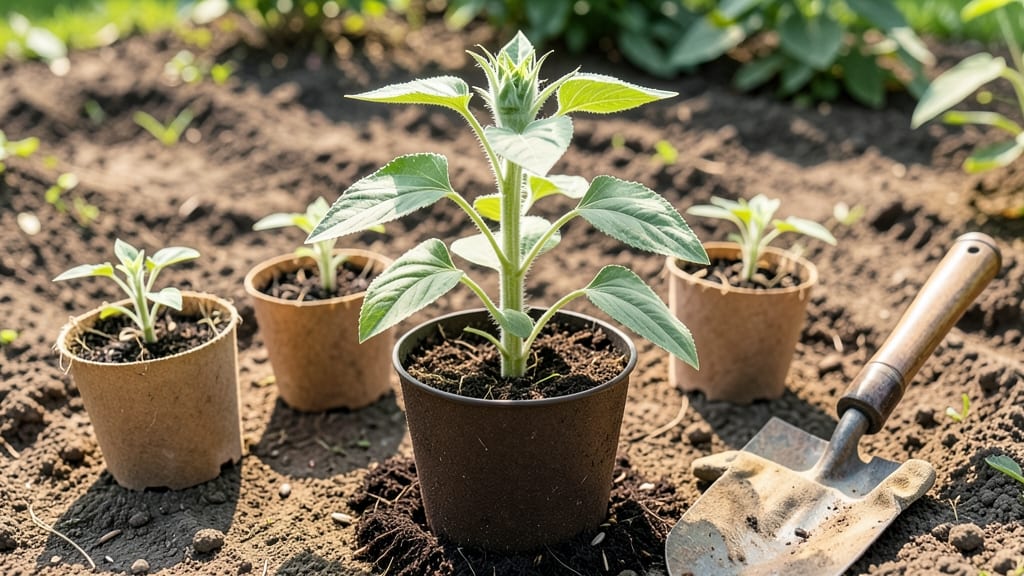
If you're dreaming of towering sunflowers 🌻 brightening your Florida garden, when can you plant sunflowers in Florida to avoid wilting before they even bloom?
Timing your plantings right is the key—Florida’s warm climate means you’ve got two prime windows to get those seeds in the ground when temperatures cooperate just enough for strong germination.
Most gardeners in Florida’s 8a-11 zones swear by planting between February and April for spring blooms that reach their full height by summer, or again in August and September for fall displays that last until November.
But here’s the catch: late summer plantings need careful attention to avoid bolting too quickly in the heat.
What makes Florida’s sunflower growing season unique? Unlike cooler climates, you can skip the fuss of frost dates entirely in zones 9b and above, where winters are mild enough to plant year-round with the right heat-tolerant varieties.
We’ll break down exactly which months work best for your specific region and how to pick varieties that handle Florida’s humidity like champs.
Ready to grow sunflowers that stand taller than your mailbox? Let’s dive into the exact planting schedule, heat-proof varieties, and pro tips to ensure your sunflowers thrive—no matter which Florida zone you’re in.
Best planting months for sunflowers in Florida’s climate zones
Florida’s unique climate—with its humid summers and mild winters—creates two prime windows for planting sunflowers 🌻. Unlike cooler climates, Florida gardeners can grow sunflowers in both spring and fall, avoiding the extreme heat of summer.
The key is timing: plant when soil temperatures hit 55°F or warmer to ensure germination.
For North Florida (Zones 8A-9A), where frost is a risk, aim for late February to early April for spring blooms. In Central and South Florida (Zones 9B-10A), you can start as early as January or even late fall for winter blooms.
The fall window (August-September) is ideal for avoiding summer’s peak heat while still enjoying blooms before winter.
Here’s the breakdown by Florida region to maximize your sunflower’s success:
| Region | USDA Zone | Best Planting Window | Bloom Time | Key Tip |
|---|---|---|---|---|
| North Florida | 8A-9A | Late Feb - Early Apr | May - June | Avoid frost by using row covers. |
| Central Florida | 9B-10A | Jan - Early Apr or Aug - Sep | Mar - Apr or Oct - Nov | Fall planting avoids summer heat stress. |
| South Florida | 10A-11 | Jan - Mar or Aug - Sep | Feb - Apr or Sep - Nov | Year-round planting possible with shade cloth. |
If you’re in South Florida (Zone 10A+), you can technically plant sunflowers year-round, but I recommend sticking to winter or fall to avoid the 100°F+ heat that can stress young seedlings. For North Florida, prioritize spring planting—fall-planted sunflowers may not mature before the first frost.
Pro tip: Use a soil thermometer to confirm soil temps are 55°F+ before sowing. Cold soil delays germination, and sunflowers won’t tolerate being planted too early. In sandy Florida soil, warm up the soil faster by covering it with black plastic mulch for a week before planting.
For container growing, start seeds indoors 2-3 weeks before your target outdoor date. This gives seedlings a head start in Florida’s competitive growing season. Place containers in a south-facing spot to maximize sunlight—sunflowers need 6+ hours of direct sun daily to reach their full height and vibrant color.
One common mistake? Planting sunflowers in late summer (July-August) for fall blooms. The intense heat can cause them to bolt (flower too quickly) or produce small, weak stems. Instead, aim for early August to give plants time to establish before cooler weather arrives.
Remember, sunflowers are annuals, so they’ll complete their life cycle in one season. Plan your planting window to enjoy bold blooms before the next growing season starts. With the right timing, you’ll have sunflowers towering over your garden in just 60-90 days!
Best planting months for sunflowers in Florida’s climate zones
Florida’s unique climate means sunflowers can bloom almost year-round, but timing matters to avoid heat stress or premature bolting. In North Florida (Zones 8A-9A), where cooler winters linger, aim for late February to early April for spring blooms.
Meanwhile, South Florida (Zones 10A-11) gardeners can plant as early as January and enjoy year-round growth with proper care.
For fall blooms, late summer is your window—August to early September—to beat the hottest months. Planting too late risks bolting (premature flowering) before seeds mature. Florida’s frost-free growing season (240+ days) means no frost worries, but humidity and afternoon heat can stress young seedlings.
🌱 Key Tip: Always plant after soil reaches 55°F+. Use a soil thermometer to check—cold soil delays germination. In North Florida, wait until after the last frost (typically mid-March), while South Florida can start 2-3 weeks earlier.
| Zone | Best Planting Window | Bloom Time | Heat Tip |
|---|---|---|---|
| 8A-9A (North FL) | Late Feb - Early Apr Aug - Early Sep |
May-June Oct-Nov |
Avoid June-July planting; use shade cloth for seedlings. |
| 10A-11 (South FL) | Jan-Feb Aug-Sept |
Mar-Apr Oct-Nov |
Year-round possible with dwarf varieties; mulch heavily. |
If you’re in Central Florida (Zone 9B), split your planting: March for spring blooms and August for fall. This two-pronged approach ensures continuous color from May through November. Just remember—sunflowers hate soggy roots, so prioritize well-draining soil, especially in Florida’s sandy or clay-heavy regions.
For container gardening, start seeds indoors 2-3 weeks before your zone’s outdoor planting window. Use fast-draining pots and move containers to partial shade during 10 AM–2 PM to protect young plants from intense afternoon sun.
Dwarf varieties like ‘Teddy Bear’ thrive in pots and bloom faster in Florida’s heat.
Pro tip: Mark your calendar for June 1—this is Florida’s unofficial “heat wall”. Planting after this date risks bolting or poor seed development. Instead, focus on late summer for a second flush of blooms just in time for fall festivals or winter holidays.