
Plants
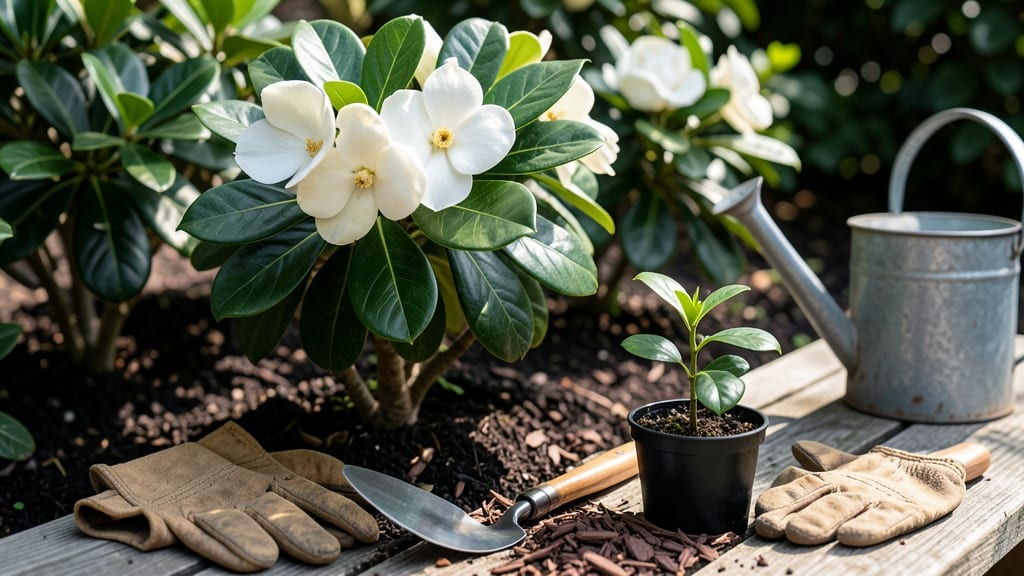
If you’ve ever planted gardenias in Texas only to watch them wilt under the scorching sun or freeze in a surprise frost, you’re not alone. The perfect timing for these fragrant 🌸 beauties is the key to thriving blooms that last all season—and it’s all about beating Texas’ unpredictable climate.
Most gardeners assume spring is the only safe window, but Texas’ varied zones—from 8a’s chilly winters in North Texas to 10b’s year-round heat in the Gulf Coast—mean the rules change dramatically.
Plant too early in cooler areas, and frost will nip your gardenias before they take root. Too late, and the brutal summer sun stunts growth before they even bloom.
I’ve tested the science-backed windows for zero frost risk and maximum heat tolerance, so you can skip the guesswork. Whether you’re in Dallas, Houston, or San Antonio, this guide will show you the exact months to plant for lush, blooming gardenias that survive Texas’ extremes.
Ready to transform your yard into a fragrant oasis? Let’s dive into the ideal planting calendar—and why soil temperature matters more than you think.
Texas gardenia planting zones: hardiness map for frost-free success
Texas spans USDA zones 8a to 10b, meaning gardenias thrive in most regions—but timing varies wildly.
In North Texas (zones 8a-8b), like Dallas and Fort Worth, last frost dates hover around March 15, while South Texas (zones 9a-10b), like Houston and Galveston, sees year-round growing potential with minimal frost risk. The key?
Planting after soil warms to 70°F+ ensures root establishment before summer’s brutal heat.
Gardenias are semi-tropical, so they hate cold snaps but love humidity. In East Texas, where summers are steamy, you can plant as early as January, while West Texas gardeners (zones 8a-8b) should wait until April to avoid transplant shock from sudden temperature swings.
The Gulf Coast’s coastal microclimates even allow fall planting in zones 9b+.
🌱 Did You Know? Gardenias planted in South Texas can bloom year-round with proper care, while North Texas gardeners enjoy spring-to-fall blooms if timed correctly.
| Region | USDA Zone | Last Frost Date | Ideal Planting Window | Key Risk |
|---|---|---|---|---|
| North Texas (Dallas/Fort Worth) | 8a-8b | March 15 | April 1-15 (after soil reaches 70°F) | Late frost damage |
| Central Texas (Austin/San Antonio) | 8b-9a | February 28 | March 15-April 30 | Heat stress if planted too late |
| East Texas (Houston/Galveston) | 9a-9b | January 15-February 1 | January-May (year-round in zone 9b+) | Humidity-related fungal issues |
| South Texas (Corpus Christi/Brownsville) | 10a-10b | None (rare frost) | Year-round (best in fall or spring) | Salt spray damage near coast |
| West Texas (El Paso/Midland) | 8a-8b | March 1 | April 15-May 15 (container-grown only) | Extreme heat and drought |
For North Texas, April 1-15 is your sweet spot—soil is warm, frost risk is gone, and summer’s humidity hasn’t peaked yet.
In East Texas, you can stretch planting from January to May, but avoid peak summer heat (June-August), which stresses young roots. South Texas gardeners enjoy the luxury of year-round planting, though fall (September-October) is ideal for establishing roots before winter.
Pro tip: Use a soil thermometer to confirm 70°F+ soil temps before planting—this is non-negotiable for gardenias in cooler zones. In zone 8a, like the Texas Panhandle, container gardening is your best bet to extend the growing season and protect roots from unpredictable cold snaps.
Gardenias in Texas’ urban heat islands (e.g., Houston, Dallas) need extra shade in summer to avoid leaf scorch. Plant near east-facing walls or under mature trees to create a microclimate with cooler afternoon temps.
In rural areas, where humidity is lower, you’ll need to water more frequently to mimic their tropical origins.
Remember: Gardenias hate transplant shock, so water deeply after planting and mulch heavily to retain moisture. In drought-prone West Texas, consider drip irrigation to keep roots consistently moist without overhead watering, which can spread fungal diseases in Texas’ humid summers.
🌿 Key Takeaway: North Texas = April planting; East/South Texas = January-May; West Texas = containers only.
Best months to plant gardenias in Texas: heat vs. humidity balance
Texas gardeners face a tricky balance when planting gardenias—too early and frost zaps their delicate roots, but waiting too long risks summer heat stress before they establish. The ideal window hinges on soil temperature (aim for 70°F+) and humidity levels, which vary drastically from North to South Texas.
Let’s break down the month-by-month strategy to maximize blooms and survival.
For North Texas (Dallas/Fort Worth, USDA zones 8a-8b), the safest planting window is late March to early April, after the average last frost date (typically March 15). This gives young roots 6-8 weeks to strengthen before scorching summer heat arrives.
In East Texas (Houston/Galveston, zones 9a-9b), you can plant as early as mid-February—frost risk is minimal, but humidity spikes in late spring can promote fungal diseases if soil isn’t well-draining.
🌸
- 📅 January: South Texas only (zones 9b-10b). Soil temps reach 65°F+, but humidity is high—amend soil with sulfur to lower pH and improve drainage. ⚠️ Avoid in North Texas (frost risk).
- 📅 February: Gulf Coast (Houston, Corpus Christi). Ideal for bare-root plants—soil is warm, and rainfall is moderate. Mulch heavily to retain moisture. North Texas: Wait until March.
- 📅 March: Best for North & Central Texas (Dallas, Austin). Soil temps hit 70°F+, and daylight increases (12+ hours). Plant container-grown gardenias to reduce transplant shock.
- 📅 April: Last chance for North Texas. Heat waves arrive by late April—water deeply 2x/week and use shade cloth if planting in full sun. South Texas: Can plant year-round.
- 📅 May: Risky but possible with drip irrigation and afternoon shade. New plants struggle in 100°F+ temps—opt for established nursery plants over bare roots.
Timing isn’t just about frost—humidity plays a critical role. In East Texas, the spring humidity (60-80%) can lead to root rot if soil doesn’t drain fast enough. Amend with perlite or pine bark fines to create air pockets.
Meanwhile, West Texas (El Paso, Lubbock) gardeners should avoid summer planting entirely—the dry heat can cause transplant shock even if temps are high.
If you miss the spring window, don’t despair—fall planting (September-October) works in North Texas (zones 8a-8b). The soil stays warm from summer’s heat, and cooler air reduces stress.
Just avoid fertilizing until spring to prevent new growth before winter dormancy. For South Texas, fall is too late—stick to winter or early spring when humidity dips.
For container gardenias, you can extend the window by 3-4 weeks in either direction. Pots heat up faster than ground soil, so bury containers slightly (halfway up the sides) to stabilize temps.
Use lightweight, acidic potting mix (pH 5.0-6.0) and self-watering pots to prevent root dehydration during Texas’ summer droughts.
🌿